

Few household encounters create instant discomfort quite like spotting a centipede racing across the floor late at night. Its many legs move rapidly, its body twists unexpectedly, and within seconds it disappears beneath furniture or into a crack in the wall.
For many homeowners, the reaction is immediate: confusion, fear, or the urge to remove it as quickly as possible.
Yet despite their unsettling appearance, centipedes are among the most misunderstood creatures commonly found indoors. They have existed on Earth for hundreds of millions of years and play an important role in controlling insect populations within natural ecosystems and even inside homes.
The question many people ask is simple: are centipedes dangerous?
The answer, according to scientists and pest experts, is far less alarming than popular myths suggest. While centipedes are technically venomous and capable of defensive bites, they rarely pose serious risks to humans. In most cases, their presence reveals more about the home environment than about any danger they present themselves.
Understanding centipedes requires looking beyond instinctive fear and exploring the biology, behavior, and ecological role of these ancient arthropods.

What Exactly Is a Centipede?
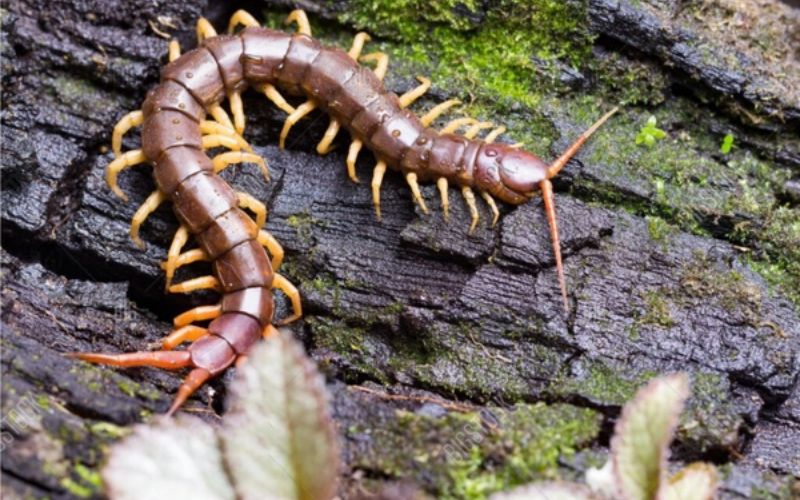
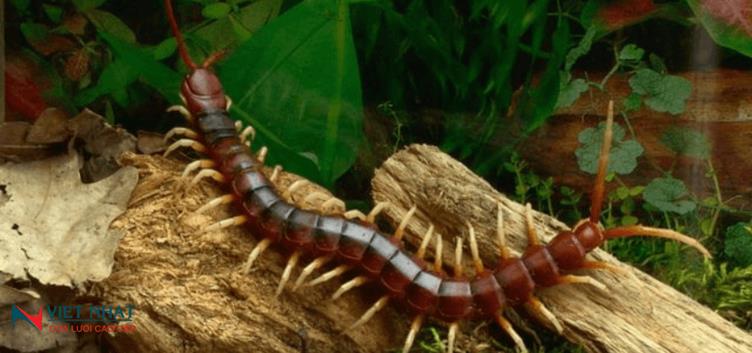
Centipedes belong to the class Chilopoda, a group of arthropods known for elongated segmented bodies and numerous legs. Contrary to common belief, centipedes do not always have one hundred legs. Different species vary widely in leg count.
Unlike insects that feed on plants or decaying material, centipedes are active predators. They hunt smaller organisms including ants, silverfish, termites, cockroaches, and spiders.
Their speed and flexibility help them move efficiently through dark, humid spaces such as basements, crawl spaces, bathrooms, and under sinks.
House centipedes, one of the most commonly encountered indoor species, are especially recognizable because of their extremely long legs and rapid movements.
Why Centipedes Look So Unusual
One reason centipedes trigger discomfort is their appearance. Humans naturally tend to react cautiously toward unfamiliar creatures with many legs, quick movement, or unpredictable behavior.
Evolutionary psychologists suggest that rapid-moving arthropods may instinctively activate alert responses because humans historically learned to avoid potentially harmful animals.
However, appearance alone does not determine danger. Many harmless creatures look intimidating despite posing little actual threat.
Centipedes fall into this category for most households.
Can Centipedes Bite Humans?
The Biological Reality
Centipedes do not bite in the same way mammals do. Instead, they use specialized appendages called forcipules, which are modified front legs capable of injecting venom into prey.
These structures evolved primarily for hunting insects and small organisms rather than defending against humans.
In rare situations where a centipede feels trapped or threatened, it may defensively use these appendages. Such encounters usually occur only when someone attempts to handle or crush the animal directly.
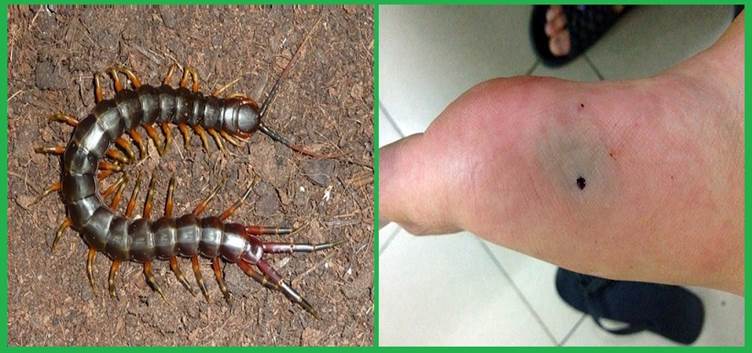
What Happens If a Bite Occurs?
According to medical experts, most centipede bites produce only mild and temporary symptoms.
Possible reactions may include:
Mild Redness
Localized skin irritation may appear briefly around the contact area.
Temporary Swelling
Minor swelling sometimes occurs for a short period.
Brief Discomfort
Some individuals report sensations similar to a mild bee sting.
Serious complications are considered uncommon in healthy individuals. Allergic reactions, while possible with almost any insect or arthropod encounter, are considered rare.
For most people, centipedes are far more interested in escaping than interacting with humans.
Why Centipedes Enter Homes
Centipedes do not intentionally invade homes to interact with people. Like most household pests, they enter indoor spaces searching for favorable survival conditions.
The three main attractants are:
Moisture
Centipedes thrive in damp environments where humidity remains high.
Shelter
Dark cracks, storage spaces, and clutter provide protection.
Food Sources
Homes with abundant insects naturally attract predators like centipedes.
Interestingly, pest experts often note that seeing centipedes may indicate another underlying issue: an existing insect population.
Because centipedes feed on other pests, their presence sometimes acts as a warning sign that conditions inside the home support broader insect activity.
The Ecological Role of Centipedes
Although often disliked indoors, centipedes play an important ecological role.
They help regulate populations of:
Cockroaches
Silverfish
Ants
Spiders
Small Beetles
Termites
This natural pest control function benefits ecosystems by maintaining balance among insect populations.
In many ways, centipedes act as hidden predators quietly reducing the number of more troublesome pests within homes.
Scientists studying ecosystems frequently emphasize that predators, even small ones, contribute to environmental stability.
Centipedes Throughout Human History
Centipedes have appeared in folklore and cultural traditions for centuries. Ancient societies often viewed them with a mixture of fear, fascination, and superstition.
In some regions, centipedes symbolized danger or poison due to their unusual appearance and venomous hunting methods. In other cultures, however, they were respected for reducing harmful insects around homes and crops.
As urban living expanded, encounters with centipedes increasingly shifted from agricultural fields to indoor spaces, where people became less tolerant of unexpected arthropods in living environments.
Modern science has helped separate myth from reality by studying centipede behavior objectively.
Common Myths About Centipedes
Several misconceptions continue shaping public fear surrounding centipedes.
Myth: Centipedes Aggressively Attack Humans
In reality, centipedes actively avoid human interaction whenever possible.
Myth: Their Venom Is Extremely Dangerous
Most household species pose little medical risk to healthy adults.
Myth: One Centipede Means an Infestation
Centipedes are generally solitary creatures rather than colony-forming pests.
Myth: They Intentionally Seek Out Bedrooms or People
Centipedes follow moisture, darkness, and insect prey rather than humans.
Understanding these myths can help reduce unnecessary fear and encourage more practical responses.
Why Humidity Matters So Much
One of the strongest predictors of centipede activity indoors is excess moisture.
Bathrooms, basements, laundry rooms, and crawl spaces often create ideal conditions because they remain humid and poorly ventilated.
Environmental experts recommend monitoring indoor humidity levels carefully. Excess moisture contributes not only to centipede activity but also to:
Musty Odors
Mold Growth
Dust Mite Activity
Structural Moisture Problems
Reducing humidity improves overall home health while discouraging a wide range of pests.
Practical Ways to Prevent Centipedes
Experts generally recommend environmental management rather than excessive chemical use.
Reduce Indoor Humidity
Dehumidifiers and proper ventilation can significantly improve conditions.
Repair Plumbing Leaks
Even small leaks create moisture-rich environments attractive to insects.
Seal Entry Points
Cracks around windows, doors, and foundations provide easy access.
Keep Spaces Clean and Dry
Reducing clutter and moisture removes hiding places.
Address Other Insects
Lowering prey populations naturally discourages centipedes.
These preventive measures benefit both pest control and indoor air quality overall.
Should You Kill a House Centipede?
Many pest professionals advise against automatically killing centipedes when spotted.
There are several reasons:
They Help Control Other Pests
Centipedes actively hunt insects homeowners often dislike even more.
Killing One Does Not Solve Environmental Conditions
Moisture and insect activity will continue attracting others if underlying conditions remain unchanged.
They Rarely Cause Harm
Most household species are more startling than dangerous.
Of course, homeowners uncomfortable with centipedes may still prefer removal. In such cases, humane capture or professional pest guidance may provide better long-term solutions than repeated chemical spraying.
When Professional Pest Control May Help
Frequent sightings may indicate larger environmental issues requiring professional assessment.
Pest control experts can identify:
Moisture Sources
Hidden Insect Activity
Structural Entry Points
Ventilation Problems
Modern pest management increasingly focuses on integrated approaches emphasizing prevention and environmental correction rather than heavy chemical use alone.
This approach is generally considered safer, more sustainable, and more effective long-term.
The Bigger Lesson Hidden Beneath Household Fear
Centipedes often provoke fear simply because they are unfamiliar and visually unusual. Yet learning about them reveals a much more balanced reality.
They are ancient predators adapted to controlling insect populations within ecosystems. They rarely interact with humans intentionally and generally avoid confrontation whenever possible.
In many ways, centipedes illustrate a broader truth about nature indoors: homes are not isolated from the environment around them. Small ecosystems exist quietly within walls, basements, gardens, and crawl spaces.
Understanding these systems allows homeowners to respond with knowledge rather than panic.
A Reflection on Curiosity and Coexistence
Humans naturally react strongly to creatures that appear strange or unexpected. Throughout history, unfamiliar animals have inspired myths, fears, and exaggerated stories.
Yet scientific understanding often reveals that many feared creatures play valuable ecological roles while posing little actual threat.
Centipedes are a perfect example. While their appearance may feel unsettling, they are typically harmless predators helping regulate insect populations in hidden corners of the home.
Stories about household encounters with centipedes remind people of the importance of curiosity and informed awareness. Fear tends to grow in the absence of understanding, while knowledge creates perspective and confidence.
Ultimately, maintaining a healthy home is not simply about eliminating every unfamiliar creature. It is about understanding the environmental conditions that shape indoor ecosystems and responding thoughtfully when nature unexpectedly crosses the threshold indoors.
Sources
Smithsonian Institution
National Geographic
Environmental Protection Agency (EPA)
Centers for Disease Control and Prevention (CDC)
Mayo Clinic
University of Kentucky Entomology Department
American Association of Pest Control Professionals
National Pest Management Association (NPMA)
