

Hospitals are often associated with advanced technology, bright lights, and carefully coordinated medical teams. Yet behind the machines and procedures, there are quieter moments that patients tend to remember long after treatment is over. One of those moments happens just before surgery, when a nurse pauses to speak calmly with a patient.
For many people, the hours leading up to surgery feel uncertain. Even routine procedures can create nervousness, racing thoughts, and physical tension. In that brief window before entering the operating room, a reassuring voice or a simple conversation can make a remarkable difference.
Across hospitals worldwide, nurses have long practiced this quiet ritual. Sometimes it involves explaining what will happen next. Sometimes it is as simple as asking about family, hobbies, or favorite memories. While it may appear small from the outside, medical professionals increasingly recognize that emotional reassurance is closely connected to patient comfort and safety.
This gentle practice also reflects something deeper about healthcare itself. In a world where technology continues to evolve rapidly, many people are rediscovering the value of human connection in medicine.
Why Patients Often Feel Anxious Before Surgery
Before surgery, the human body naturally reacts to uncertainty. Even when doctors explain procedures carefully, patients may still experience elevated stress levels. Faster heartbeat, shallow breathing, and restlessness are common responses.
Scientists describe this reaction as part of the body’s stress response system. When the brain senses uncertainty, hormones such as cortisol and adrenaline can increase temporarily. While this response is normal, prolonged anxiety may make patients feel physically uncomfortable before anesthesia begins.
Healthcare teams understand that emotional preparation matters alongside physical preparation. Nurses are often the last medical professionals patients speak with before surgery, placing them in a unique position to offer reassurance.
Research from organizations such as the American Psychological Association and the World Health Organization highlights the importance of reducing stress in medical settings. Emotional support can improve a patient’s overall experience and help create a calmer environment for recovery.

The Simple Routine That Leaves a Lasting Impression
The pre-surgery conversation may seem informal, but it is often intentional. Nurses are trained not only in medical procedures but also in communication and patient care.
A calm interaction may include:
Explaining What Happens Next
Patients often fear the unknown more than the procedure itself. When nurses explain where the patient will go, who will be present, or how anesthesia works, uncertainty becomes easier to manage.
Simple information can create a sense of predictability, which helps many people feel more comfortable.
Asking Personal Questions
Some hospitals encourage nurses to ask patients about favorite hobbies, family members, or meaningful memories. These questions shift attention away from fear and toward familiar thoughts.
For example, discussing a beloved pet, a grandchild, or a vacation memory can briefly replace tension with comfort. Though small, these moments can help patients feel seen as individuals rather than just medical cases.
Offering Reassurance Through Presence
Sometimes the most meaningful support involves very few words. A calm tone, steady eye contact, or a reassuring hand on the shoulder can communicate empathy more effectively than long explanations.
Patients may not remember every medical detail afterward, but many remember how they were treated emotionally.
The Scientific Perspective on Emotional Reassurance
Modern medicine increasingly recognizes the connection between emotional well-being and physical health. While reassurance is not a replacement for medical treatment, studies suggest that reduced stress may positively influence patient experiences.
Researchers studying patient anxiety have found that calm communication may contribute to:
More Stable Vital Signs
Stress can temporarily affect blood pressure and heart rate. Relaxed patients may experience steadier vital signs before anesthesia.
Although every individual responds differently, calmer conditions can help healthcare teams perform pre-surgery preparations more smoothly.
Improved Communication
Patients who feel comfortable are often more willing to share important information. During casual conversation, nurses may learn details about allergies, medications, or recent symptoms that were not emphasized earlier.
This makes the conversation valuable not only emotionally but practically.
Greater Patient Satisfaction
Hospitals increasingly measure patient experience as part of healthcare quality. Feeling respected and reassured often contributes to more positive perceptions of care.
Many patients later describe compassionate nurses as one of the most memorable parts of their hospital experience.

A Tradition Rooted in Compassion
Long before modern surgical technology existed, healing traditions across cultures emphasized emotional comfort alongside physical care.
In ancient communities, healers often used calming words, music, prayer, or storytelling to prepare individuals for medical treatment. These practices reflected the belief that emotional state could influence healing experiences.
Today, hospitals rely on evidence-based medicine rather than folklore alone, yet the human desire for reassurance remains remarkably consistent.
Cultural Beliefs About Comfort and Healing
Different cultures have long associated kind words with recovery and resilience.
In parts of Asia, gentle communication and respectful bedside manners are traditionally viewed as signs of harmony and care. In many Western traditions, compassionate nursing is linked to dignity and trust. Indigenous healing practices around the world have also emphasized listening and emotional presence.
While modern science approaches these ideas through psychology and physiology rather than mythology, the central theme remains familiar: people feel safer when they feel understood.
The Role of Nurses in Modern Healthcare
Nurses are often described as the emotional bridge between technology and humanity in hospitals. Their responsibilities extend far beyond technical tasks.
In surgical environments, nurses help coordinate care, monitor patient safety, communicate with families, and support emotional well-being.
Organizations such as the American Nurses Association emphasize patient-centered care as a core principle of nursing. This approach recognizes that emotional reassurance is not separate from healthcare but part of it.
Why Nurses Often Remember These Moments Too
Interestingly, many nurses say these conversations matter to them personally as well.
Healthcare environments can be fast-paced and highly technical. Brief moments of connection remind medical staff why compassionate care remains important.
Some nurses later recall patients who shared heartfelt stories or expressed gratitude before surgery. These memories can become meaningful parts of a healthcare professional’s career.
Technology and the Human Side of Medicine
Hospitals today use advanced imaging systems, robotic assistance, and sophisticated monitoring tools. Medical innovation continues to improve diagnosis and treatment across the world.
Yet technology alone cannot replace emotional understanding.
Experts in healthcare communication often note that trust plays a major role in how patients experience medical care. Even highly advanced facilities benefit from compassionate interaction between staff and patients.
This balance between innovation and empathy reflects a broader conversation happening throughout modern medicine.
Can Compassion Improve Healthcare Experiences?
Scientists continue studying how emotional support affects healthcare outcomes. While researchers avoid exaggerated claims, many agree that empathy contributes positively to patient experiences.
Supportive communication may encourage patients to feel calmer, cooperate more easily during preparation, and communicate openly with medical teams.
Importantly, healthcare experts emphasize that emotional reassurance works best alongside professional medical treatment rather than instead of it.
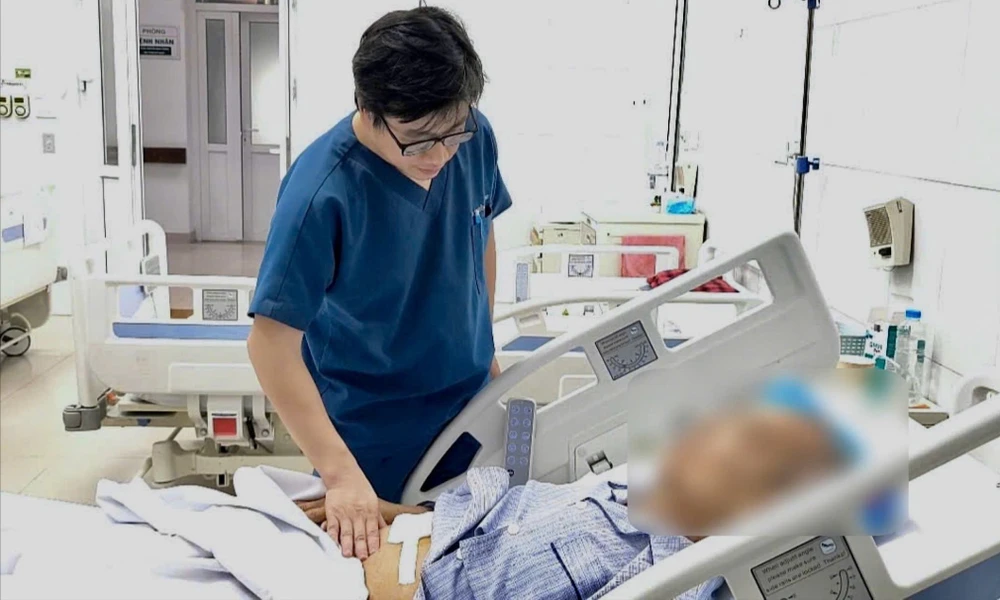
Why Patients Remember the Nurse More Than the Operating Room
Most people remember very little about surgery itself because anesthesia affects memory during the procedure. However, emotional moments before surgery often remain surprisingly vivid.
Patients frequently recall:
- A nurse explaining things gently
- Someone making them smile before entering the operating room
- Feeling heard during a stressful moment
- A calming voice during uncertainty
These memories demonstrate how strongly humans respond to kindness during vulnerable experiences.
In some ways, the conversation becomes symbolic. It represents reassurance at a moment when patients temporarily place their trust in others.
The Growing Focus on Patient-Centered Care
Healthcare systems around the world increasingly emphasize patient-centered care. This philosophy encourages medical teams to consider emotional needs alongside physical treatment.
Hospitals now invest in communication training, comfort-focused care practices, and strategies designed to reduce stress before procedures.
Some facilities even create quieter pre-surgery spaces with calming lighting, music, or family-centered support programs.
These efforts reflect a growing understanding that healing environments involve more than equipment and procedures alone.
The Psychology Behind Reassurance
Psychologists explain that reassurance helps regulate uncertainty. Humans naturally seek emotional stability during unfamiliar situations.
A calm interaction before surgery may help patients feel:
- More informed
- Less isolated
- More confident in the medical team
- Emotionally supported
This sense of connection can influence how people remember their healthcare experience overall.
Even brief moments of empathy may carry lasting emotional significance.

A Reminder About Human Connection
The quiet routine nurses perform before surgery may appear ordinary, yet it reveals something profound about healthcare and human nature.
Despite remarkable advances in medicine, people still value reassurance, kindness, and understanding during uncertain moments. Technology can assist treatment, but emotional connection continues to shape how care is experienced.
Across cultures and generations, humans have searched for comfort during vulnerable times. Modern science now supports many aspects of what compassionate caregivers have long understood intuitively: calm communication matters.
In the end, perhaps the lasting power of this small hospital ritual comes from its simplicity. A few reassuring words remind patients that behind every machine and procedure are people dedicated not only to treatment, but also to care.
As medicine continues to evolve, human curiosity will likely keep exploring the relationship between emotional well-being and physical health. Yet one truth remains timeless: people rarely forget moments when they felt genuinely heard.
Sources
- OrVeb
- American Psychological Association
- World Health Organization
- American Nurses Association
