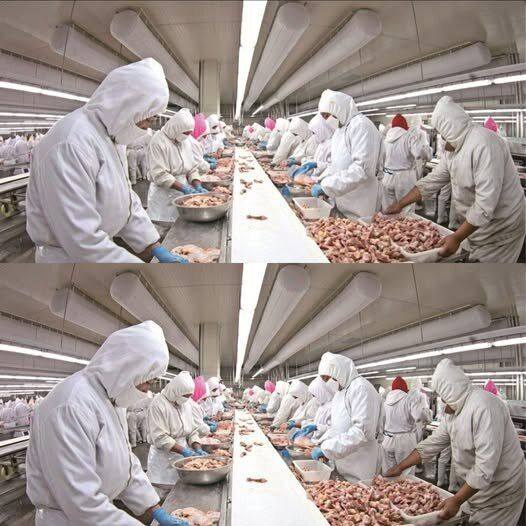

Every few months, alarming headlines about imported foods begin spreading across social media. Articles warning readers to “avoid certain products” often gain enormous attention because food safety is deeply personal. People naturally care about what they eat, where their food comes from, and whether the products on grocery shelves are truly safe.
Recently, online discussions have focused heavily on imported foods from China, including seafood, garlic, apple juice, mushrooms, soy sauce, and processed products. Many viral posts suggest consumers should immediately avoid these items because of concerns about chemicals, pesticides, additives, or farming practices.
While some food safety discussions are based on legitimate regulatory concerns, experts caution that viral internet claims often oversimplify complex issues or present outdated information without scientific context. Understanding how global food systems and safety regulations actually work can help consumers make informed decisions without unnecessary fear.
The Global Nature of Today’s Food Supply
Modern grocery stores rely on highly interconnected international supply chains. Fruits, vegetables, seafood, spices, sauces, and packaged foods frequently travel through multiple countries before reaching store shelves.
China is one of the world’s largest exporters of agricultural and food products. Many countries import ingredients and finished goods from China because of large-scale production capacity and global trade demand.
However, food safety concerns are not limited to one country. Regulatory violations, contamination incidents, and agricultural disputes can occur anywhere in the world, including North America, Europe, Asia, and other major food-producing regions.
Experts emphasize that modern food systems are incredibly complex, which is why inspection programs and international safety standards play such an important role in protecting consumers.

How Food Safety Systems Actually Work
Many people assume imported foods enter stores without oversight, but most developed countries operate extensive food safety monitoring systems.
In the United States, agencies such as the U.S. Food and Drug Administration and the United States Department of Agriculture oversee imported food products through inspections, laboratory testing, supplier verification, and import monitoring programs.
Products may be screened for:
Pesticide residues
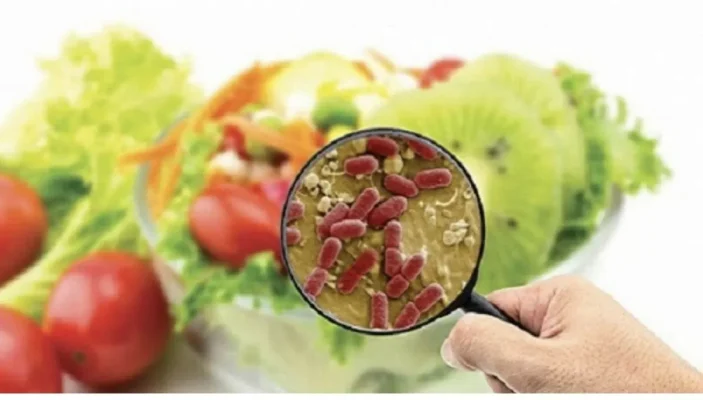
Bacteria or contamination
Unauthorized additives
Heavy metals
Antibiotic residues
Labeling compliance
When regulators identify safety concerns, shipments can be rejected, recalled, or placed under increased monitoring.
Food scientists note that while no system is perfect, international food oversight has improved significantly over the past two decades due to advances in testing technology and global cooperation.
Why Seafood Imports Receive So Much Attention
Imported seafood frequently becomes the focus of online food safety debates.
Farmed shrimp, tilapia, and other seafood products are imported from several countries worldwide, including China, Vietnam, Thailand, Ecuador, and Indonesia. Critics sometimes raise concerns about water quality, antibiotic use, overcrowding, or sustainability practices in certain fish farms.
However, nutrition experts warn against broad statements suggesting all imported seafood is unsafe.
Many seafood suppliers participate in international certification programs and undergo testing before products enter retail markets. Large grocery chains and restaurant suppliers often require additional compliance checks and supplier audits.
Consumers concerned about seafood quality are generally encouraged to look for recognized sustainability certifications and reputable retailers rather than relying solely on viral internet claims.
The Debate Over Garlic and Produce Imports
Chinese garlic has become one of the most commonly discussed imported foods online.
Some consumers claim imported garlic tastes different or lasts longer than locally grown varieties. Agricultural specialists explain that differences in soil, climate, harvesting methods, storage, and transportation can all influence flavor and shelf life.
Occasional concerns about pesticide use also appear online. Experts note that pesticide regulations vary between countries, but imported produce is still subject to testing requirements in many destination markets.
Importantly, scientists stress that isolated incidents should not automatically be treated as evidence that all products from an entire country are unsafe.
Food production systems are highly varied, and quality can differ significantly between suppliers and manufacturers.
Apple Juice and Arsenic Concerns Explained
One of the most widely discussed food controversies in recent years involved trace arsenic levels found in some apple juice products.
The issue received major media attention after consumer advocates and television programs reported testing results from selected juice samples.
However, toxicologists later clarified that not all arsenic compounds carry the same level of concern. Scientists distinguish between organic arsenic, which may occur naturally, and inorganic arsenic, which is considered more harmful at elevated levels.
Regulatory agencies responded by strengthening monitoring standards and increasing testing guidance for juice manufacturers.
Nutrition experts also point out that fruit juice consumption should generally be moderated because of sugar content, regardless of country of origin.
Soy Sauce, Additives, and Food Chemistry
Processed foods often contain chemical compounds that sound alarming when presented without context online.
Soy sauce, for example, naturally produces various compounds during fermentation and heating processes. Food scientists evaluate these substances carefully to determine whether exposure levels fall within safe limits.
Experts consistently emphasize that the mere presence of a chemical does not automatically make a food dangerous. Risk depends on dosage, frequency of exposure, and long-term scientific evidence.
Many viral food articles use scientific terminology in ways that may unintentionally create fear without explaining actual health risks accurately.
Balanced diets and moderation generally matter far more for long-term health than isolated internet controversies surrounding individual products.
Why Fear-Based Food Stories Spread So Quickly
Food safety stories perform exceptionally well online because they trigger strong emotional reactions.
People naturally feel protective about the food they eat and serve to family members. Headlines warning about “hidden dangers” or “unsafe imports” immediately attract attention.
Social media algorithms further amplify emotionally charged content because users are more likely to share stories that provoke concern, anger, or surprise.
Researchers studying online misinformation note that dramatic claims often spread faster than nuanced scientific explanations because simplified narratives are easier to understand and emotionally engaging.
Unfortunately, this environment can sometimes blur the line between legitimate consumer awareness and exaggerated fear.

The Importance of Evidence-Based Nutrition
Nutrition professionals encourage consumers to evaluate food claims carefully using reliable scientific sources.
Helpful questions include:
Is the claim supported by peer-reviewed research?
Did official agencies issue a recall or warning?
Are the reported risks current and verified?
Does the article provide scientific context?
Is the language designed primarily to provoke fear?
Experts also remind consumers that millions of people safely consume imported foods every day around the world.
Rather than focusing excessively on one country of origin, public health specialists usually recommend broader healthy eating habits, including:
Eating a varied diet
Washing produce thoroughly
Limiting highly processed foods
Reading ingredient labels
Buying from trusted retailers
Staying informed through official recall notices
Global Trade and Consumer Trust
The conversation surrounding imported foods also reflects larger questions about globalization and public trust.
Modern economies rely heavily on international trade because many regions cannot produce enough food year-round to meet consumer demand.
As supply chains grow more complex, consumers increasingly want transparency about:
Where food comes from
How it was produced
What standards were followed
Whether suppliers meet ethical and environmental guidelines
In response, many companies now invest in traceability systems, supplier monitoring, and sustainability certifications to strengthen consumer confidence.
Technology is also improving food monitoring through digital tracking tools, advanced laboratory testing, and faster international communication between regulators.
Media Responsibility and Scientific Accuracy
Media organizations and online creators play an important role in shaping public understanding of food safety.
Responsible reporting should distinguish between verified regulatory findings and speculation. Scientific nuance matters because exaggerated headlines may create confusion or unnecessary panic.
At the same time, investigative journalism has historically helped expose genuine food safety problems and encouraged stronger consumer protections.
The challenge lies in balancing awareness with accuracy.
Readers benefit most from reporting that provides context, evidence, and practical guidance instead of relying entirely on alarming language.

A Reflection on Food, Trust, and Human Curiosity
Food connects deeply to culture, family, identity, and health, which is why stories about food safety generate such powerful reactions worldwide. Discussions about imported products often reflect broader anxieties about industrial agriculture, globalization, and trust in modern supply chains.
At the same time, curiosity about where food comes from can also lead to positive outcomes. Public interest encourages stronger transparency, improved monitoring systems, and greater accountability throughout the global food industry.
Experts emphasize that informed awareness is far more valuable than fear-driven decision-making. By relying on scientific evidence, verified information, and balanced thinking, consumers can make smarter choices while avoiding unnecessary panic created by sensational online claims.
In the end, thoughtful curiosity about food safety may help create a healthier, more transparent global food system for everyone.
Sources
U.S. Food and Drug Administration Food Safety Resources
United States Department of Agriculture
World Health Organization Food Safety Information
Centers for Disease Control and Prevention Food Safety
Food Safety and Inspection Service
