

It often begins without symptoms, discomfort, or warning signs. A person may feel completely healthy while carrying a virus so common that most adults will encounter it at some point in their lives. Human papillomavirus, better known as HPV, has quietly become one of the most widespread infections worldwide, yet many misconceptions still surround it.
For years, HPV discussions focused heavily on women’s health because of its connection to cervical cancer. While that awareness campaign helped save lives, it also unintentionally created the impression that HPV was only a women’s issue. Today, health experts continue working to correct that misunderstanding, emphasizing that men can also experience health complications related to HPV and may unknowingly contribute to its spread.
As public awareness grows, conversations around HPV are evolving from fear and stigma toward education, prevention, and shared responsibility. Understanding how the virus spreads, how the immune system responds, and how modern medicine can help prevent complications has become increasingly important for people of all ages.
What Is HPV?
Human papillomavirus refers to a large family of related viruses. Scientists have identified more than 200 strains, each affecting the body differently. Some types are considered low risk and may cause harmless skin growths or warts, while others are categorized as high risk because of their association with certain cancers.
HPV spreads primarily through intimate skin-to-skin contact. Because the virus often produces no noticeable symptoms, many individuals never realize they have been exposed.
Health organizations estimate that HPV is one of the most common infections globally. In most cases, the immune system naturally clears the virus within one or two years without causing long-term problems. However, some infections persist longer, which can increase the possibility of health complications over time.
Why HPV Awareness Among Men Is Growing
Historically, public health messaging surrounding HPV focused strongly on cervical cancer prevention. While this remains critically important, researchers and medical professionals now stress that HPV can also affect men in significant ways.
Certain high-risk HPV strains have been linked to cancers involving the throat, mouth, tongue, and other areas. Low-risk strains may contribute to genital warts and other noncancerous conditions.
One reason HPV awareness among men remained limited for many years is that there is currently no routine screening test for HPV in men similar to cervical screening programs available for women. As a result, many infections go undetected.
Today, health campaigns increasingly encourage men to view HPV prevention as part of overall wellness rather than something relevant only to women.
How HPV Spreads So Easily
Unlike some infections that require the exchange of bodily fluids, HPV can spread through direct skin-to-skin contact during intimate activity. This characteristic makes the virus especially common and difficult to fully avoid.
Another challenge is that people carrying HPV frequently experience no symptoms at all. Someone may unknowingly pass the virus to a partner despite appearing completely healthy.
Medical experts emphasize that HPV transmission does not necessarily reflect reckless behavior. Because the virus is so widespread, even individuals with limited intimate experiences may encounter it at some point in their lives.
This understanding is important because reducing shame and misinformation encourages more open conversations about prevention and health care.
Common Symptoms and Possible Health Effects
Most HPV infections never cause noticeable symptoms. When symptoms do occur, they can vary depending on the strain involved.
Possible signs associated with certain HPV strains may include:
Small wart-like growths in intimate areas
Changes affecting the throat or mouth
Persistent throat discomfort in rare situations
Respiratory papillomatosis, a rare condition involving airway growths
Although serious complications are uncommon, long-term infections involving high-risk strains may increase the likelihood of certain cancers developing over time.
It is important to remember that most HPV infections resolve naturally and never progress into severe illness. Early awareness and preventive care significantly improve long-term outcomes.
The Science Behind the Immune Response
One reason HPV remains difficult to study is the way the virus interacts with the immune system. In many individuals, the body successfully suppresses or eliminates the infection without medical intervention.
Researchers believe several factors may influence how effectively the immune system responds, including:
Overall health and nutrition
Smoking habits
Stress levels
Immune system strength
Repeated exposure to multiple HPV strains
Scientists continue studying why some infections disappear quickly while others persist for years. Ongoing research has contributed to major advances in prevention strategies and vaccine development.
Vaccination and Prevention
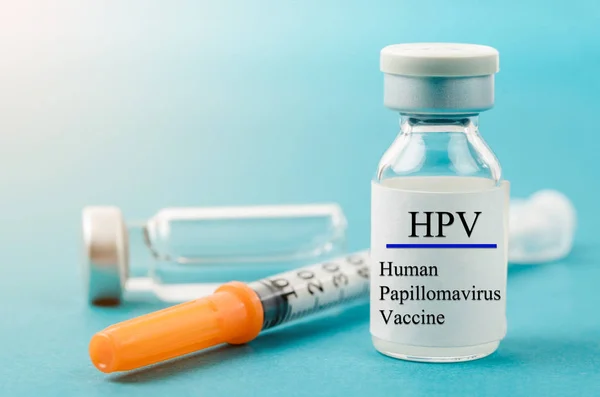
One of the most significant medical breakthroughs related to HPV prevention has been the development of vaccines such as Gardasil 9.
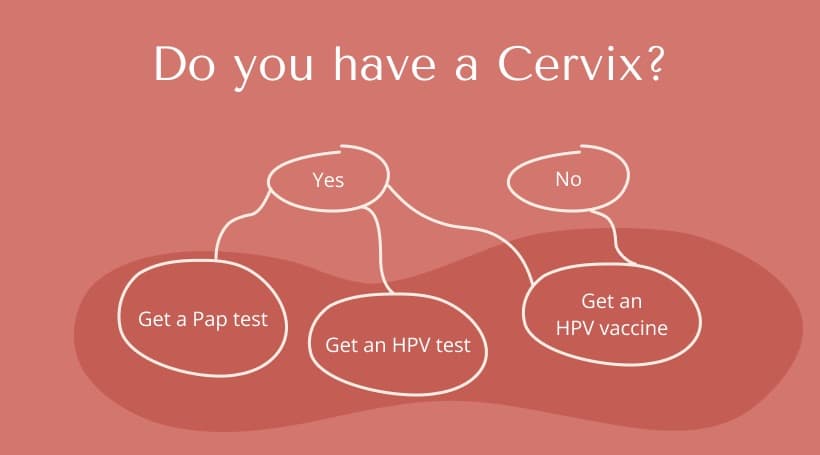
These vaccines help protect against several of the most common high-risk and low-risk HPV strains associated with cancers and genital warts. Public health organizations in many countries recommend routine vaccination during early adolescence, although catch-up vaccination may still benefit adults later in life.
Vaccination campaigns have become an important part of global public health efforts because they not only protect individuals but may also help reduce overall transmission rates within communities.
Additional prevention strategies include:
Using protection during intimate activity
Attending regular medical checkups
Avoiding smoking
Maintaining a healthy immune system through nutrition and exercise
Having open conversations about health with partners
No prevention method completely eliminates risk, but combining awareness with preventive care significantly lowers the likelihood of complications.

Breaking the Stigma Around HPV
One of the greatest challenges surrounding HPV is not only the virus itself but also the stigma attached to it.
Because HPV is connected to intimate health, many people experience embarrassment, anxiety, or confusion after learning about the infection. These emotions may discourage individuals from discussing symptoms, seeking medical advice, or considering vaccination.
Health educators increasingly stress that HPV should be viewed as a common medical issue rather than a source of shame. Since most adults are exposed to the virus at some point, public understanding and compassion are essential.
Open conversations can help:
Reduce fear and misinformation
Encourage earlier medical guidance
Promote healthier relationships
Support mental and emotional wellbeing
Normalize preventive care and vaccination
As awareness expands, many experts hope future generations will approach HPV with the same practical mindset used for other common health conditions.
Myths and Misunderstandings About HPV
Despite decades of research, misinformation about HPV remains widespread. Several common myths continue to shape public perception.
Myth: HPV Only Affects Women
Fact: Men can also experience HPV-related health complications and contribute to transmission.
Myth: No Symptoms Means No Infection
Fact: Many HPV infections remain completely silent while still being transmissible.
Myth: Only People With Many Partners Get HPV
Fact: Because HPV is extremely common, exposure can happen even with limited intimate experiences.
Myth: Vaccination Is Unnecessary for Men
Fact: Vaccination helps protect both men and women while reducing the spread of high-risk strains.
Correcting these misconceptions is a major focus of modern public health education.
HPV in Popular Culture and Public Health Campaigns
In recent years, HPV awareness campaigns have increasingly appeared in schools, healthcare systems, documentaries, and social media discussions. Public figures and medical organizations have worked to normalize conversations about vaccination and prevention.
Cultural attitudes toward HPV have gradually shifted from silence toward transparency and education. Many healthcare professionals believe this shift is essential for reducing stigma and encouraging earlier prevention.
Countries with strong vaccination programs have already reported encouraging declines in certain HPV-related conditions, demonstrating the long-term value of public awareness efforts.
Why Education Remains the Most Powerful Tool
Medical experts consistently emphasize that education remains one of the strongest defenses against HPV-related complications.
When people understand how HPV spreads, how common it is, and how vaccines work, they are more likely to make informed decisions about their health.
Education also empowers parents, teachers, healthcare providers, and communities to discuss prevention openly and responsibly.
Importantly, awareness should not create panic. Instead, it should encourage informed choices grounded in science, compassion, and preventive care.
A Reflection on Awareness and Human Health
The story of HPV is not simply about a virus. It is also about how societies respond to health challenges through science, education, and empathy. For many years, misunderstandings and stigma allowed confusion to overshadow awareness. Today, growing public conversations are helping people view HPV with greater clarity and less fear.
As research continues and vaccination programs expand, experts remain hopeful that future generations will face fewer HPV-related health complications. The progress already made demonstrates the power of knowledge, communication, and preventive medicine working together.
Ultimately, awareness is not about alarm. It is about giving people the information they need to protect themselves, support one another, and make thoughtful decisions about their long-term wellbeing.
Sources
World Health Organization (WHO) HPV Information
Centers for Disease Control and Prevention (CDC) HPV Resources
