
Almost everyone has experienced it at some point.
You wake up in the middle of the night and notice your hand feels numb. Maybe there is a tingling sensation that resembles tiny pins and needles moving across your skin. Sometimes it disappears within seconds after changing position. Other times, it lingers long enough to become uncomfortable or concerning.
For many people, occasional numbness in the hands is harmless and temporary. Yet in some situations, repeated tingling or loss of sensation may signal an underlying medical issue that deserves attention.
Because the hands contain a complex network of nerves, muscles, blood vessels, and joints, even small disruptions can create unusual sensations. Experts say symptoms may range from mild tingling to weakness, reduced coordination, or persistent discomfort.
Understanding the possible causes can help people recognize when symptoms are temporary and when it may be wise to seek professional medical advice.
What Causes Tingling or Numbness in the Hands?
Hand numbness typically occurs when nerves are compressed, irritated, or damaged. In some cases, reduced blood flow may also contribute to the sensation.
The feeling is often described as:
• Pins and needles
• Tingling
• Burning sensations
• Temporary loss of feeling
• Weakness or heaviness in the hands
While occasional numbness can happen for simple reasons, persistent or recurring symptoms should not be ignored.
Below are some of the most common explanations doctors and health experts consider.

Sleeping in an Uncomfortable Position
One of the most common and harmless causes of temporary hand numbness is sleeping awkwardly.
When pressure is placed on certain nerves for an extended period, signals between the nerves and brain may become temporarily disrupted. This can happen if someone sleeps with an arm tucked beneath their body or keeps the wrist bent for too long.
Fortunately, this type of numbness usually fades quickly after movement returns and pressure is relieved.
According to the Mayo Clinic, temporary nerve compression is a frequent cause of short-term tingling sensations in the limbs.
Repetitive Hand Movements and Carpal Tunnel Syndrome
Modern lifestyles often involve repeated wrist and hand movements through typing, gaming, phone use, or tool handling.
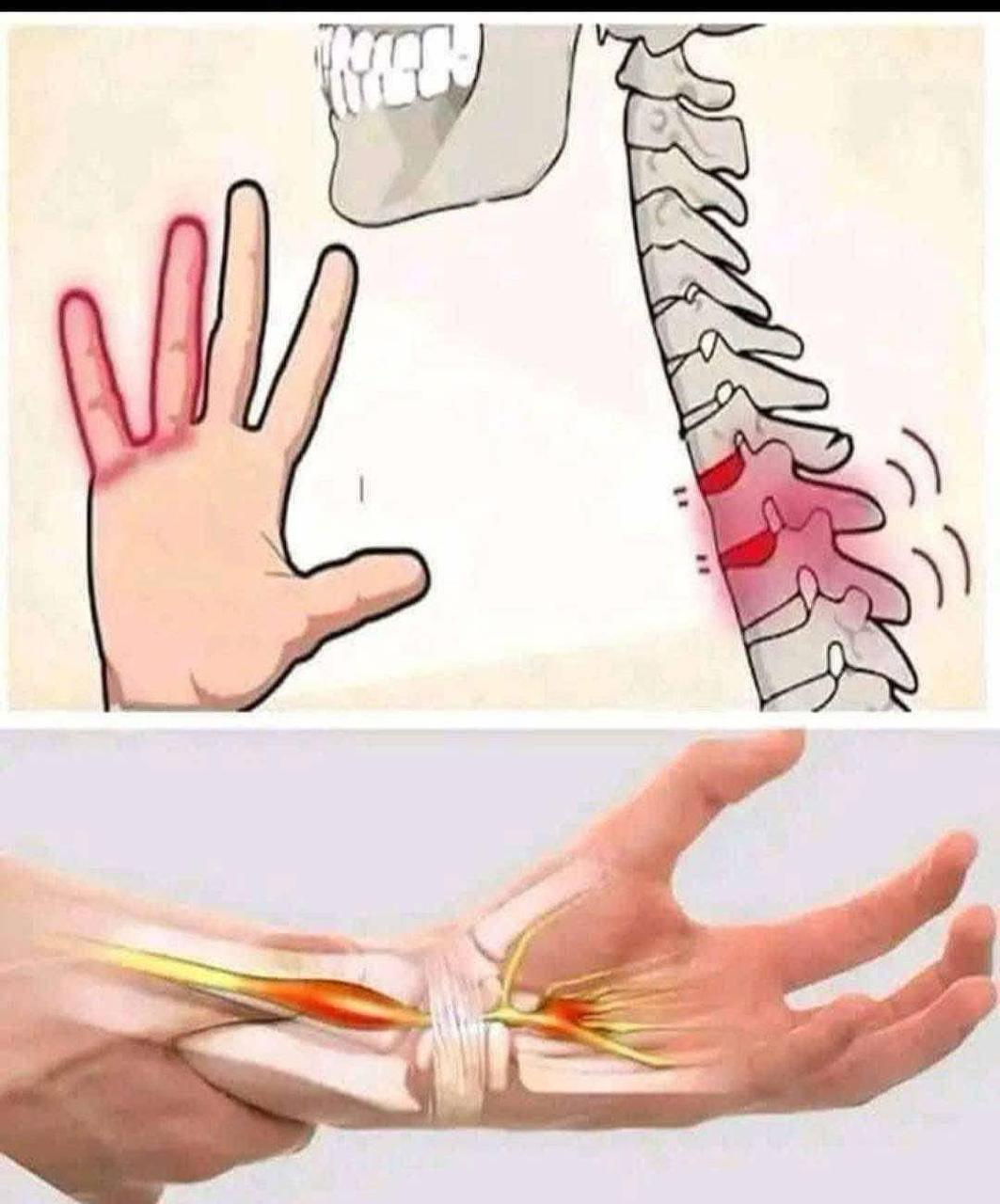
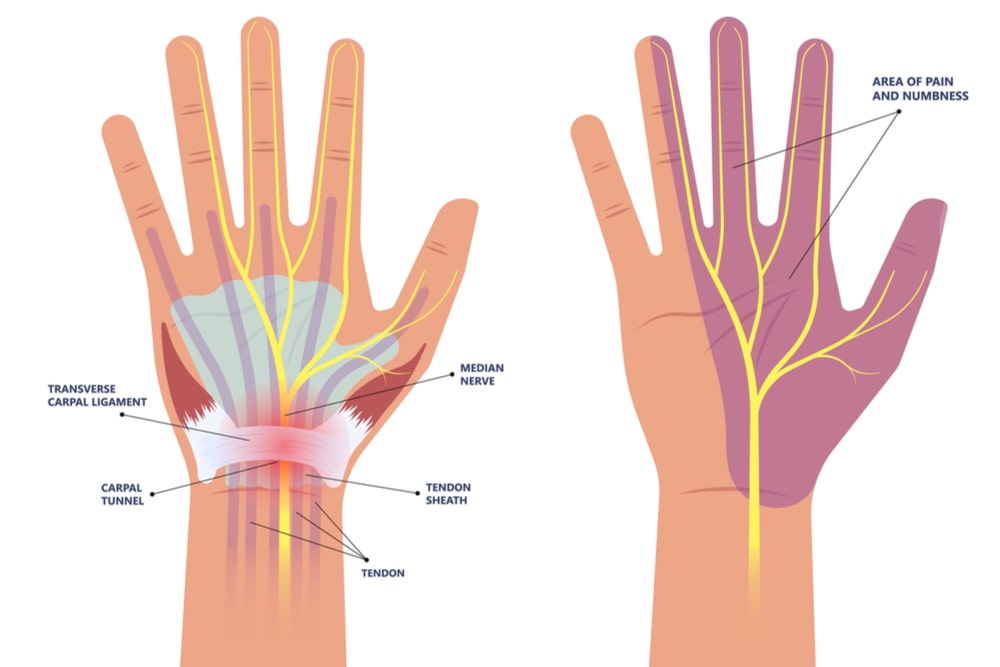
Over time, repetitive motion can place stress on the median nerve, which passes through a narrow space in the wrist known as the carpal tunnel.
This condition, called Carpal Tunnel Syndrome, may cause:
• Tingling in the fingers
• Numbness during the night
• Wrist discomfort
• Hand weakness
• Difficulty gripping objects
People who spend long hours using keyboards or performing repetitive manual work may be more vulnerable to developing symptoms.
Vitamin B12 Deficiency and Nerve Health
Nutrition also plays an important role in healthy nerve function.
Vitamin B12 helps maintain the protective covering around nerves. When the body lacks sufficient B12, nerve communication may become disrupted, leading to tingling sensations, fatigue, or muscle weakness.
According to the National Institutes of Health, vitamin B12 deficiency can affect both the nervous system and energy production.
Some people at higher risk include:
• Older adults
• Vegetarians or vegans without supplementation
• Individuals with digestive disorders
• People with poor nutrient absorption
Blood testing can help determine whether nutritional deficiencies contribute to symptoms.
Electrolyte Imbalances
The human nervous system depends on minerals such as potassium, sodium, calcium, and magnesium to send signals properly.
When these electrolytes become imbalanced due to dehydration, illness, medication use, or dietary issues, nerve function may be affected.
Symptoms may include:
• Tingling sensations
• Muscle cramps
• Weakness
• Fatigue
• Irregular heartbeat in severe cases
Electrolyte-related numbness is often temporary once balance is restored, but persistent symptoms should still be medically evaluated.
Diabetes and Nerve Damage
One of the most widely recognized medical causes of persistent tingling is nerve damage related to diabetes.
High blood sugar levels over time may damage nerves throughout the body, a condition known as diabetic neuropathy.
According to the Centers for Disease Control and Prevention, diabetic neuropathy commonly affects the hands and feet.
Symptoms may include:
• Burning sensations
• Tingling or numbness
• Increased sensitivity
• Reduced ability to feel temperature or touch
Proper blood sugar management plays a major role in reducing the risk of long-term nerve complications.

Neck and Spinal Problems
Sometimes the problem does not begin in the hands at all.
Nerves controlling the arms and hands originate in the neck and spine. If those nerves become compressed due to spinal wear, herniated discs, or posture-related strain, symptoms may radiate downward into the hands.
This type of nerve irritation may produce:
• Tingling in one arm
• Shoulder discomfort
• Neck pain
• Weak grip strength
Conditions affecting the cervical spine are especially common among adults who spend long periods sitting or working at computers.
Autoimmune Conditions
Certain autoimmune diseases may also affect the nervous system.
Conditions such as Rheumatoid Arthritis can trigger inflammation that places pressure on nerves or affects circulation.
Autoimmune-related symptoms may vary widely but can include:
• Tingling sensations
• Joint stiffness
• Swelling
• Fatigue
• Muscle weakness
Because autoimmune conditions often develop gradually, ongoing symptoms should be discussed with a healthcare provider.
Poor Circulation and Cold Sensitivity
Blood circulation is essential for healthy nerve function.
When circulation becomes reduced, the hands may feel cold, numb, or tingly. Some people experience symptoms more strongly during cold weather.
One condition associated with circulation problems is Raynaud’s Disease, in which blood vessels temporarily narrow in response to cold temperatures or stress.
This may cause:
• Pale or bluish fingers
• Tingling sensations
• Temporary numbness
• Cold sensitivity
Circulatory symptoms may sometimes improve with warmth and lifestyle adjustments.
Growths That Press on Nerves
Noncancerous growths such as ganglion cysts may also contribute to numbness if they press against nearby nerves.
These fluid-filled lumps commonly appear around the wrists and hands.
Depending on their location, they may cause:
• Tingling
• Reduced movement
• Hand discomfort
• Weakness
Doctors may use imaging tests or physical examinations to determine whether structural pressure contributes to symptoms.
Infections That Affect the Nervous System
Certain infections may directly or indirectly affect nerves.
For example, illnesses such as Lyme Disease or Shingles can sometimes lead to nerve-related symptoms including tingling, sensitivity, or discomfort.
Infection-related symptoms are often accompanied by other signs such as fatigue, fever, skin irritation, or body aches.
Prompt medical attention can help reduce complications.
When Should You See a Doctor?
Occasional numbness after sleeping awkwardly is usually not dangerous.
However, medical experts recommend seeking professional evaluation if symptoms become persistent, severe, or occur alongside other neurological changes.
Warning signs may include:
• Sudden weakness
• Difficulty speaking
• Confusion
• Dizziness
• Loss of coordination
• Numbness spreading to other areas
• Ongoing symptoms that do not improve
These symptoms may indicate conditions requiring urgent medical attention.
According to the Cleveland Clinic, persistent numbness should always be evaluated to identify possible nerve, circulation, or neurological causes.
How Lifestyle Habits May Help
Although treatment depends on the underlying cause, certain habits may support overall nerve and circulation health:
Maintain Good Posture
Proper neck, shoulder, and wrist positioning may reduce unnecessary nerve pressure.
Take Breaks From Repetitive Activities
Frequent stretching and movement can reduce strain from typing or repetitive tasks.
Eat a Balanced Diet
Adequate intake of vitamins and minerals supports nerve health.
Stay Physically Active
Exercise may improve circulation and reduce stiffness.
Monitor Chronic Conditions
Managing diabetes, blood pressure, and inflammatory diseases may help reduce nerve-related complications.
Understanding the Signals Your Body Sends
The human body constantly communicates through sensations, discomfort, and subtle physical changes.
Sometimes tingling in the hands is temporary and harmless. Other times, it may be an early signal that the body needs attention, rest, or medical care.
Stories about health symptoms often spread online because they connect to experiences many people share but do not fully understand. A simple sensation like numbness can have surprisingly varied explanations ranging from posture and nutrition to circulation and nerve function.
That uncertainty naturally sparks curiosity.
Fortunately, modern medicine continues to provide better understanding of how nerves, blood flow, and overall health interact. Awareness, early evaluation, and healthy habits remain important tools for protecting long-term wellness.
/assets/images/provider/photos/2796197.jpg)
