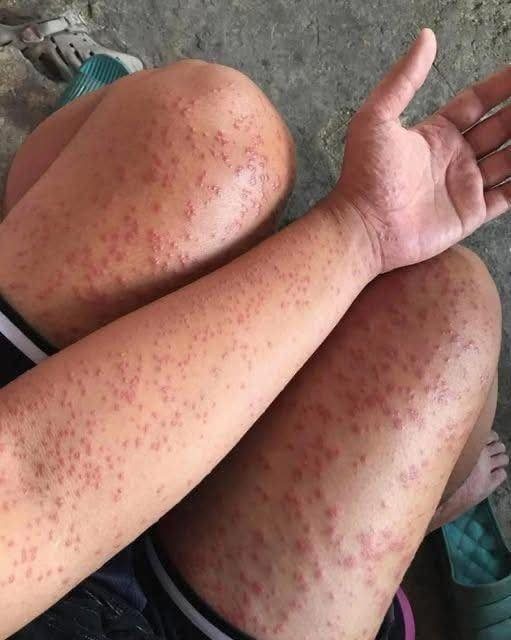

It started as a normal morning for Daniel, a father of two who rarely worried about his health. He woke up scratching his arms, noticing small red welts spreading across his chest and neck. At first, he blamed the laundry detergent his family had recently switched to. The itching was uncomfortable, but manageable.
Within minutes, however, something changed.
He began to feel tightness in his throat. His breathing felt shallow, as if the air in the room had suddenly become thinner. His wife noticed his voice sounded strained, and his lips appeared swollen. What seemed like a harmless rash was becoming something far more serious.
Stories like this are more common than many people realize. Most itchy rashes are harmless and temporary. Yet in certain cases, sudden hives combined with breathing changes may signal a severe allergic reaction that requires immediate medical attention.
Understanding the difference between a routine skin irritation and a potentially dangerous allergic response can help people act quickly and safely.

Understanding Hives and Allergic Reactions
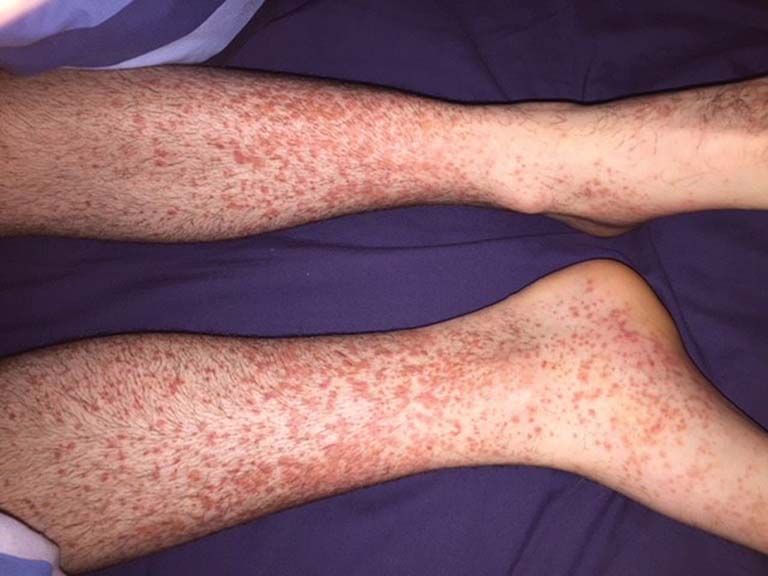
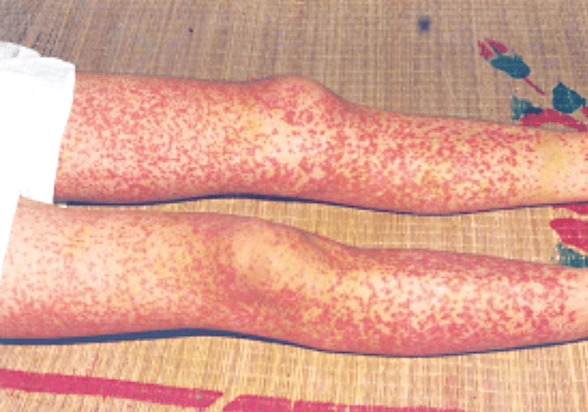
Hives, also known medically as urticaria, are raised welts that appear on the skin. They may look pink, red, or slightly pale in the center and often cause intense itching.
These marks can appear anywhere on the body and may move from one area to another. Some disappear within hours while new patches emerge elsewhere.
Hives themselves are not always dangerous. In fact, they are commonly linked to everyday causes such as:
Food sensitivities
Environmental allergens
Temperature changes
Stress
Insect bites
New skincare or cleaning products
Viral infections
Because hives are so common, many people assume they are always minor. That assumption can sometimes delay important medical care when additional symptoms appear.
When the Body’s Alarm System Reacts Too Strongly
The immune system is designed to protect the body from harmful substances. Sometimes, however, it reacts too aggressively to something that is normally harmless, such as peanuts, shellfish, or pollen.
In severe allergic reactions, the body releases chemicals like histamine in large amounts. These chemicals can affect several systems at once, including the skin, lungs, and circulation.
This reaction is known as anaphylaxis, a medical emergency that requires immediate treatment.
Scientific studies show that allergic emergencies can progress rapidly, especially when breathing symptoms develop. While skin changes are often the first visible sign, the internal reaction may already be affecting the airway and blood pressure.
The Cultural History of Sudden Illness Warnings
Long before modern medicine explained allergic reactions, many cultures interpreted sudden swelling, breathing difficulty, or unexplained rashes through folklore and spiritual beliefs.
In parts of Europe during earlier centuries, sudden nighttime illness was sometimes blamed on mysterious air, supernatural visitors, or unseen environmental forces. Similar stories appeared across Asia, Africa, and the Americas, where abrupt health changes were often linked to imbalance in nature or spiritual disturbance.
While these interpretations reflected the limited medical knowledge of their time, they also reveal something deeply human. People have always searched for meaning when the body behaves unexpectedly.
Today, science provides clearer explanations for allergic reactions, but the emotional experience remains similar. Sudden physical symptoms still create fear, uncertainty, and urgency.
Why Breathing Symptoms Are the Most Important Warning Sign
Doctors emphasize that breathing changes are the “red flag” in severe allergic reactions.
A mild rash that stays limited to the skin may not require emergency treatment. However, when hives appear together with breathing difficulty or swelling around the mouth and throat, the situation becomes much more serious.
Important symptoms to watch for include:
Shortness of breath
Wheezing
Chest tightness
Swelling of the lips or tongue
Hoarseness
Difficulty speaking clearly
Feeling faint or dizzy
Rapid heartbeat
These symptoms suggest the reaction may be affecting the respiratory or circulatory system.
Medical experts explain that airway swelling can sometimes develop quickly. Early action greatly improves outcomes, which is why health organizations encourage people not to “wait and see” once breathing becomes involved.
Common Triggers That May Cause Severe Allergic Reactions
One surprising aspect of allergic emergencies is that they can happen even in people who previously experienced only mild reactions.
Common triggers include certain foods, medications, insect stings, and environmental exposures.
Food allergies are among the best known causes. Peanuts, tree nuts, milk, eggs, shellfish, sesame, and wheat are frequently associated with allergic reactions.
Certain medications may also trigger symptoms in sensitive individuals. Antibiotics and pain relievers are examples often discussed in medical literature.
Insect stings from bees or wasps can also lead to serious reactions in some people, even when previous stings caused only mild irritation.
Researchers continue studying why allergic reactions vary so widely between individuals. Genetics, environmental exposure, and immune system sensitivity may all play important roles.
The Science Behind Rapid Allergic Responses
Scientists have spent decades investigating why severe allergic reactions can escalate so quickly.
When allergens enter the body, immune cells known as mast cells release inflammatory chemicals. Histamine is one of the most important of these substances.
Histamine widens blood vessels, increases fluid leakage into tissues, and irritates nerve endings. This helps explain why hives itch and swell.
In more serious cases, the same chemical response can narrow airways and reduce blood pressure. This combination may create feelings of dizziness, chest tightness, or breathing difficulty.
Researchers also note that allergic reactions do not always follow a predictable pattern. Some reactions remain mild, while others become more intense over a short period of time.
Because every person responds differently, healthcare professionals encourage caution whenever symptoms involve multiple body systems at once.
Why Nighttime Symptoms Can Feel More Frightening
Many people report that allergic symptoms feel especially alarming during the night or early morning hours.
Part of this fear comes from uncertainty. Waking up unexpectedly with itching, swelling, or breathing discomfort can feel disorienting.
Some experts believe nighttime reactions may also seem more intense because people are less distracted and more aware of physical sensations in quiet surroundings.
There is also a psychological component. Humans naturally feel more vulnerable during the night, particularly when symptoms appear suddenly without an obvious explanation.
This combination of physical discomfort and emotional stress often leads people to underestimate or second-guess their symptoms.
What To Do If Symptoms Become Severe
Medical organizations consistently recommend seeking emergency care if hives appear together with breathing problems, swelling around the mouth or throat, or signs of faintness.
If prescribed by a doctor, an epinephrine auto-injector should be used immediately according to medical instructions.
People experiencing symptoms should avoid driving themselves if possible and should contact emergency services or seek urgent medical assistance.
Staying calm is important, though understandably difficult during a stressful moment. Monitoring breathing and remaining with another person whenever possible can help ensure timely support.
This article is intended for educational purposes only and does not replace professional medical advice.
The Difference Between Mild Irritation and a Serious Reaction
One reason allergic emergencies are sometimes overlooked is because many harmless skin conditions look similar at first glance.
Dry skin, mild contact irritation, heat rash, or insect bites can all create redness and itching.
The key difference often lies in the combination of symptoms.
A localized irritation usually stays confined to one area and does not affect breathing or circulation. Severe allergic reactions, however, may involve several systems simultaneously.
Understanding this distinction helps people make safer decisions without unnecessary panic.
Social Media, Health Awareness, and Public Fear
Modern social media has dramatically changed how people learn about health concerns. Stories about allergic reactions spread quickly online, often accompanied by emotional headlines designed to attract attention.
While awareness can be helpful, exaggerated claims may also increase fear and confusion.
Balanced medical information is important because it encourages preparedness without creating panic. Most skin rashes are not emergencies. At the same time, recognizing genuine warning signs can help people respond appropriately when necessary.
Health experts encourage relying on trusted medical organizations and licensed professionals rather than sensational online claims.
The Human Instinct to Ignore Early Symptoms
Psychologists note that many people instinctively downplay symptoms at first. This reaction is surprisingly common.
People may assume they are overreacting or hope the discomfort will disappear on its own. Others may avoid seeking help because they do not want to inconvenience anyone.
This tendency reflects a broader human pattern. We often interpret familiar symptoms, such as itching or redness, through the lens of ordinary experience.
Yet the body sometimes signals that something more serious is developing beneath the surface.
Learning to recognize unusual combinations of symptoms is one of the most important parts of health awareness.
Conclusion: Listening to the Body’s Early Signals
The human body communicates in subtle ways long before a problem becomes severe. A rash, swelling, or sudden breathing discomfort may appear small at first, but together they can reveal an important medical warning.
Across history, people have tried to explain mysterious physical reactions through folklore, spirituality, and observation. Today, science offers a clearer understanding of allergic responses and why some symptoms require immediate attention.
At the same time, the emotional experience remains deeply human. Fear, uncertainty, and hesitation are natural reactions when symptoms appear suddenly.
Awareness is not about living in constant worry. It is about recognizing when the body may need urgent care and understanding the difference between a temporary irritation and a more serious reaction.
Human curiosity has always driven people to ask questions about health, survival, and the signals our bodies send us. That curiosity continues to guide medical research, public awareness, and the everyday decisions that help people protect themselves and those they love.
Sources
Mayo Clinic – Anaphylaxis Overview
Cleveland Clinic – Hives (Urticaria) Information
American Academy of Allergy, Asthma & Immunology
