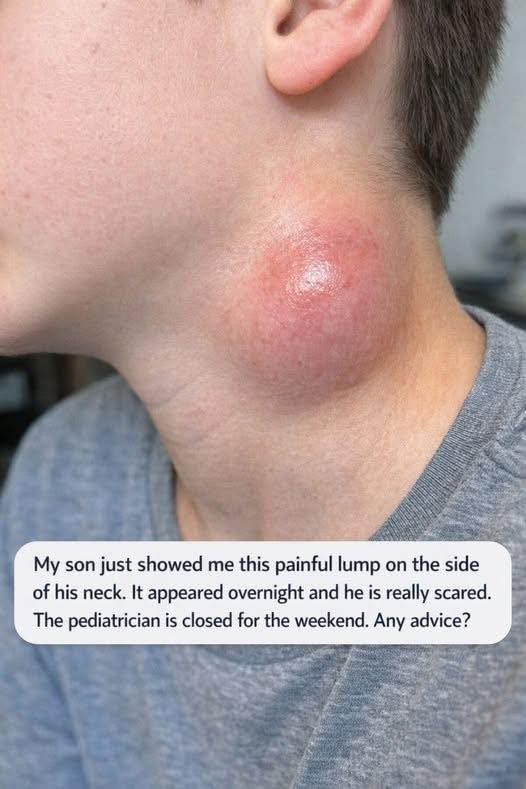

It often starts with a quiet moment.
A child points to their neck after dinner, or a parent notices swelling while helping with pajamas before bedtime. Suddenly, there it is — a lump that seemed to appear out of nowhere. Within seconds, ordinary routines give way to worry, internet searches, and racing thoughts.
For many parents, discovering a lump on a child’s neck can feel alarming, especially when it appears overnight. Questions immediately follow. Is it serious? Should we go to the emergency room? Can it wait until the pediatrician opens?
Fortunately, medical experts say that most neck lumps in children are not emergencies. In many cases, they are related to the body’s normal immune response to infections or inflammation. Still, knowing when to monitor symptoms at home and when to seek immediate care is important.
Understanding the most common causes can help families respond calmly and appropriately while avoiding unnecessary panic.
Why Neck Lumps Are Common in Children
Children’s immune systems are constantly developing.
As they encounter viruses, bacteria, and environmental allergens, their lymphatic systems work actively to help the body fight infection. Lymph nodes, which are small immune-system structures located throughout the body, can temporarily swell when responding to illness.
The neck contains many lymph nodes, making it one of the most common places parents notice swelling.
In fact, pediatricians often reassure families that mildly enlarged lymph nodes are a normal part of childhood, especially during or after common colds, sore throats, ear infections, or seasonal illnesses.
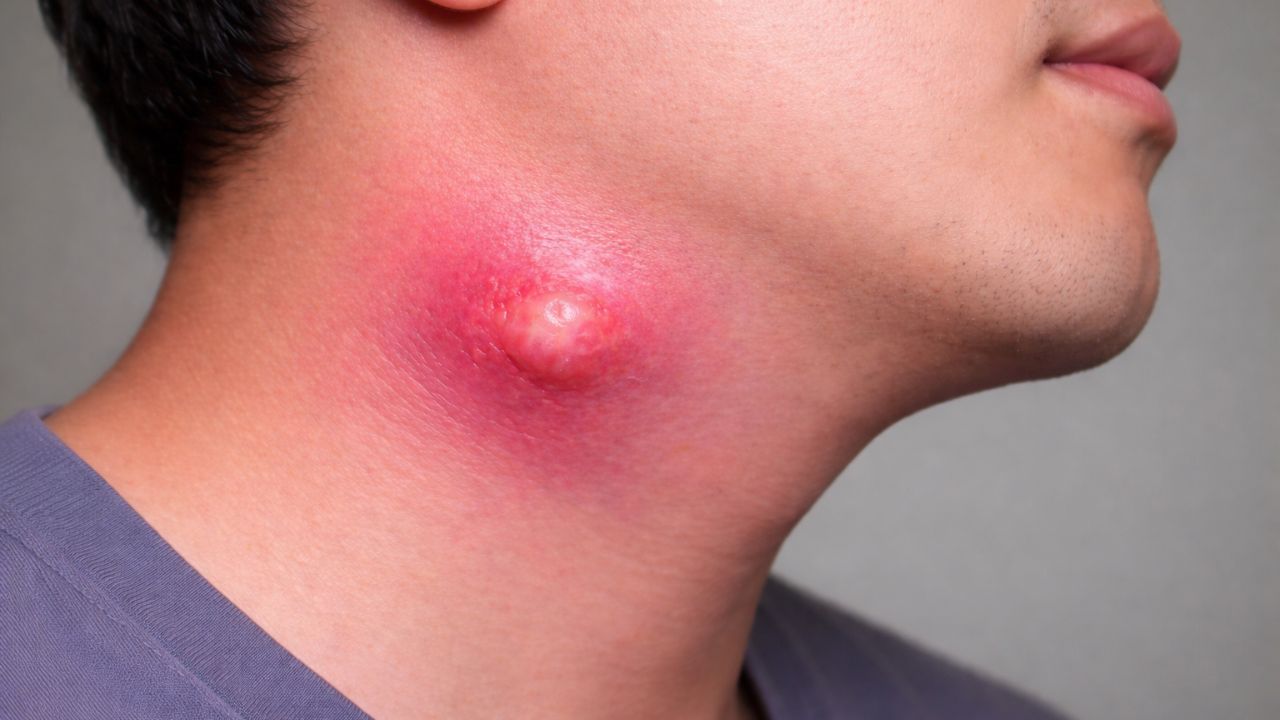
What Swollen Lymph Nodes Usually Feel Like
Typical swollen lymph nodes often have several reassuring characteristics.
They may feel:
Soft or rubbery
Slightly movable under the skin
Mildly tender
Small to medium in size
Located near the jawline or side of the neck
These lumps can sometimes appear quickly, especially during viral infections, and may remain enlarged for days or even weeks before gradually shrinking.
Doctors note that children’s lymph nodes are often easier to feel than adults’ because children generally have less body fat and more active immune responses.
Common Causes of Neck Swelling in Kids
Several relatively common conditions can cause sudden neck lumps in children.
Viral Infections
Colds, flu-like illnesses, and throat infections are among the most frequent causes of swollen lymph nodes.
The immune system responds to infection by increasing activity in nearby lymph nodes, which can temporarily enlarge.
Ear, Nose, or Throat Irritation
Sinus infections, ear infections, tonsil irritation, and dental problems may also contribute to neck swelling.
Skin Irritation or Minor Scratches
Even small skin irritations can sometimes trigger nearby lymph nodes to react.
Allergies and Inflammation
Seasonal allergies occasionally contribute to mild lymph node enlargement due to inflammation in surrounding tissues.

When Parents Should Seek Immediate Medical Attention
Although most neck lumps are not emergencies, certain symptoms require prompt evaluation.
Parents should seek urgent medical care if a child experiences:
Difficulty breathing
Trouble swallowing
Drooling or inability to manage saliva
Rapidly increasing swelling
Severe pain
Very high fever
Extreme fatigue or confusion
A lump that feels rock hard or fixed in place
Significant redness spreading around the area
These symptoms could indicate a more serious infection or swelling that requires immediate assessment.
Why Internet Searches Often Increase Anxiety
Many parents turn to online searches when pediatric offices are closed.
While this can provide useful guidance, it can also create unnecessary fear. Medical experts often warn that online information tends to emphasize rare or serious possibilities because dramatic content attracts more attention.
As a result, parents may encounter alarming explanations long before reading about the most common and harmless causes.
Healthcare professionals encourage families to focus on observable symptoms rather than worst-case scenarios.
What Doctors Usually Recommend at Home
If a child otherwise seems comfortable and active, doctors often recommend simple supportive care while monitoring symptoms.
This may include:
Rest
Fluids
Warm compresses
Age-appropriate pain relief if needed
Gentle observation
Parents are generally advised not to squeeze, press, or attempt home drainage remedies. Manipulating the lump may increase irritation and discomfort.
Instead, pediatricians often recommend monitoring whether the swelling changes over the next 24 to 48 hours.
The Importance of Staying Calm Around Children
Children naturally respond to the emotions of adults around them.
If parents appear extremely frightened, children may become more anxious about the situation. Calm reassurance can help reduce stress while waiting for medical guidance.
Simple explanations such as “Your body is fighting something off” can help children feel safer without dismissing their concerns.
Emotional reassurance matters just as much as physical comfort during uncertain moments.
Why Weekend Medical Concerns Feel More Stressful
Health concerns often feel more overwhelming when they happen outside normal office hours.
Closed pediatric clinics, delayed appointments, and limited access to familiar doctors can make ordinary symptoms feel more urgent.
This is one reason telehealth services, nurse advice lines, and urgent care clinics have become increasingly popular. These services allow families to receive guidance quickly while deciding whether emergency treatment is necessary.
Many healthcare systems now encourage parents to use virtual consultations for non-life-threatening concerns that occur during evenings or weekends.
Understanding the Difference Between Monitoring and Ignoring
Medical professionals emphasize an important distinction: monitoring symptoms is not the same as ignoring them.
Watching for changes carefully while a child remains stable is often appropriate. Parents should continue paying attention to:
Fever
Breathing
Eating and drinking
Energy levels
Changes in swelling size
Pain intensity
If symptoms worsen or new warning signs appear, medical evaluation should happen sooner.
How Pediatricians Evaluate Neck Lumps
When children are examined for neck swelling, doctors usually begin with a physical examination and symptom history.
They may ask:
How long has the lump been present?
Did the child recently have a cold or sore throat?
Is the lump painful?
Has the child experienced fever or fatigue?
Has the swelling changed in size?
In many cases, no advanced testing is immediately necessary if the child otherwise appears healthy and symptoms suggest a common infection.
Sometimes doctors recommend observation over time before considering additional imaging or laboratory testing.
The Emotional Side of Parenting Health Scares
Moments like these reflect a universal part of parenting: the fear of not knowing.
Even experienced parents can feel helpless when unexpected symptoms appear suddenly. Part of that anxiety comes from wanting to protect children while lacking immediate certainty.
Medical experts often remind families that concern itself is not overreaction. Paying attention to changes in a child’s health is an important part of caregiving.
At the same time, balance matters. Not every symptom signals a crisis, and children’s bodies frequently react strongly to ordinary illnesses.
Why Children’s Bodies React Differently Than Adults’
Children’s immune systems are highly active.
As they build immunity through exposure to everyday germs, their bodies may respond more visibly than adults’ bodies do. Swollen lymph nodes, fevers, and temporary inflammation are often part of that process.
This can sometimes surprise parents because symptoms appear dramatic even when the underlying cause is mild.
Pediatricians frequently reassure families that children commonly recover quickly once the immune system finishes responding.
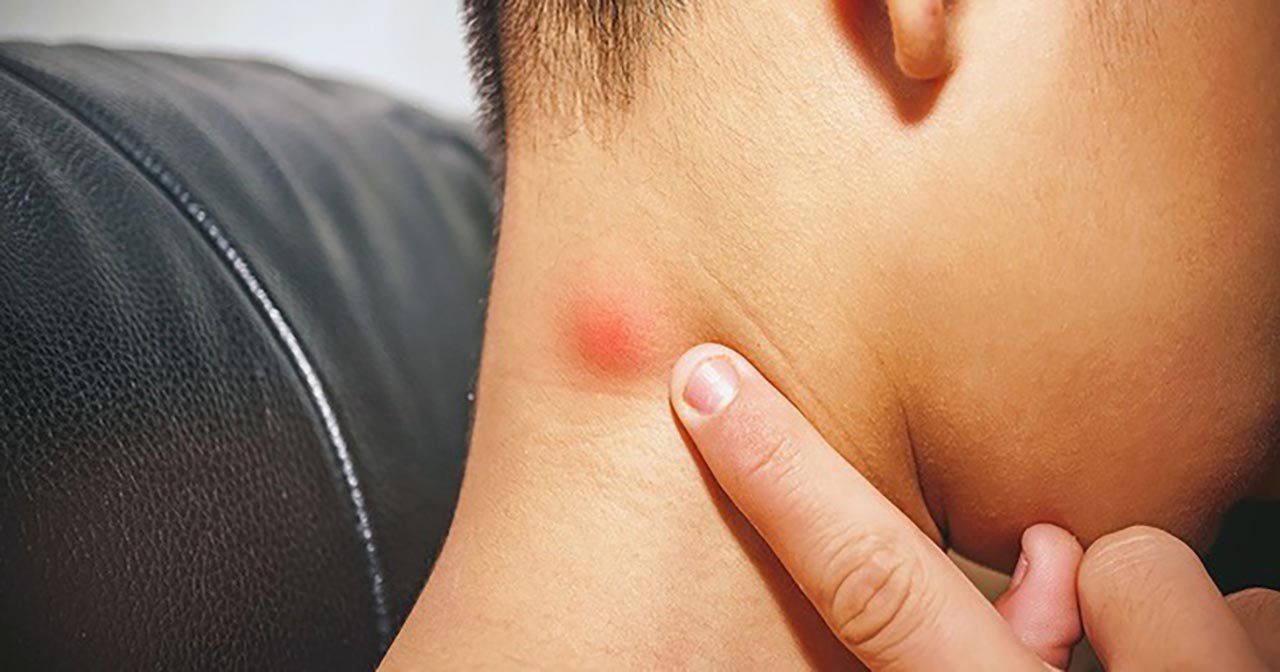
The Growing Role of Telehealth in Family Care
Telehealth services have changed how families manage non-emergency health concerns.
Video consultations and nurse hotlines allow parents to receive guidance without immediately visiting crowded emergency departments. Doctors can often determine whether symptoms sound reassuring or require in-person evaluation.
This approach helps reduce unnecessary stress while ensuring that serious warning signs are not overlooked.
Many pediatric providers now recommend keeping telehealth options available for weekends, holidays, and after-hours concerns.
Conclusion
Finding a sudden lump on a child’s neck can be frightening, especially when medical offices are closed and uncertainty takes over.
Yet most childhood neck lumps are related to common immune responses and temporary infections rather than serious illness. Understanding the body’s natural defense system can help parents respond with calm observation instead of immediate panic.
At the same time, recognizing warning signs remains important. Breathing difficulty, severe swelling, extreme pain, or rapid symptom changes always deserve prompt medical attention.
In many ways, situations like these remind parents of something universal: caring for children often means navigating uncertainty with patience, attentiveness, and compassion.
Sometimes reassurance comes not from instantly having every answer, but from knowing when to watch carefully, when to seek help, and how to remain calm while doing both.
Sources
American Academy of Pediatrics
Mayo Clinic Pediatric Health Information
Cleveland Clinic Children’s Health Resources
