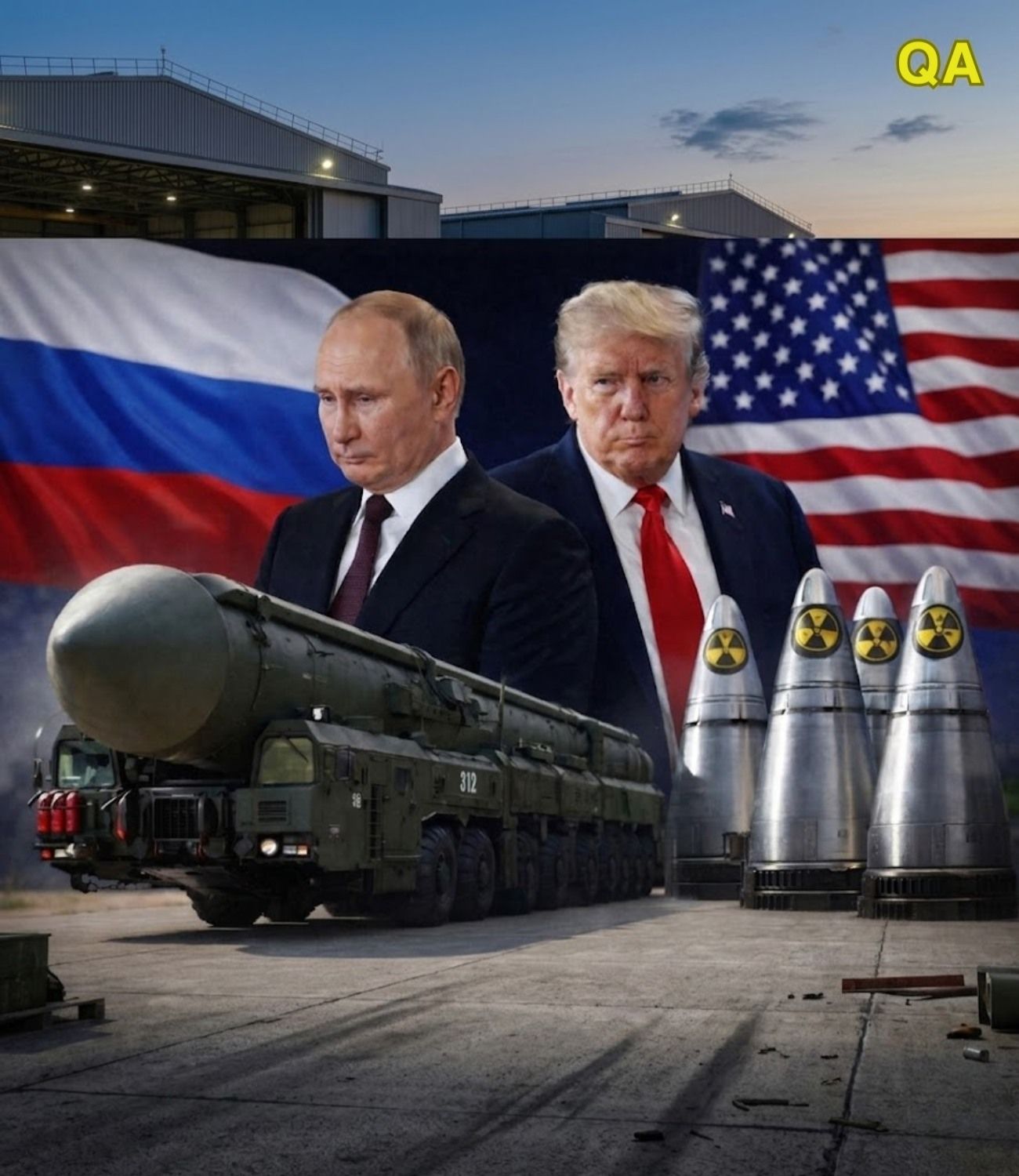

For decades, Europe built its identity around cooperation, economic integration, and diplomacy.
The European Union emerged from the lessons of the twentieth century with a vision centered on stability and partnership. Military preparedness existed, but for many citizens, large scale defence discussions felt distant from everyday life.
Today, that atmosphere is changing.
Growing geopolitical tensions, continued uncertainty surrounding the conflict in Ukraine, and evolving relationships between Europe and the United States have pushed security issues back into the center of public debate. Across Brussels and other European capitals, leaders are discussing defence readiness, infrastructure upgrades, industrial coordination, and long term strategic planning with a level of urgency not seen in years.
The conversation is no longer limited to supporting allies abroad. Increasingly, European policymakers are asking a broader question: how prepared is Europe to protect its own future in an unpredictable global environment?
Why Europe’s Security Debate Has Intensified
The current debate did not emerge overnight.
Russia’s invasion of Ukraine significantly altered Europe’s security landscape and challenged assumptions that large interstate conflicts on the continent belonged mainly to history. At the same time, changing political signals from Washington have encouraged European governments to reconsider how much they can rely on traditional transatlantic arrangements.
For many European leaders, the issue now involves both immediate concerns and long term strategy.
Security experts have warned that modern threats extend beyond conventional military risks. Cybersecurity, energy infrastructure, supply chains, artificial intelligence, and industrial resilience are now considered equally important parts of national defence.
As a result, Europe’s response is becoming increasingly comprehensive.
Governments are investing not only in defence equipment, but also transportation networks, communications systems, emergency planning, and cross border coordination.

The Growing Focus on European Strategic Autonomy
One phrase appears frequently in modern European policy discussions: strategic autonomy.
This concept refers to Europe’s ability to make independent decisions and respond effectively to crises without relying entirely on external powers. While cooperation with allies remains central to European policy, many officials believe the EU must strengthen its own capabilities in an increasingly uncertain world.
The discussion gained momentum as global politics became more complex.
Trade tensions, shifting alliances, technological competition, and regional conflicts have all highlighted vulnerabilities within Europe’s existing systems. Leaders increasingly argue that resilience requires stronger domestic production, coordinated planning, and greater self reliance in key industries.
Defence readiness has become part of that broader conversation.
For Brussels, strategic autonomy is not only about military power. It also includes economic security, energy independence, industrial capacity, and political unity among member states.
Eastern Europe’s Strong Sense of Urgency
Not all European countries view security risks in the same way.
Nations geographically closer to Russia, including Poland, Lithuania, Latvia, Estonia, and Finland, tend to express stronger concern regarding regional stability. Historical experiences and geographic proximity influence how these societies approach defence planning and public preparedness.
In recent years, several Eastern European countries have expanded civil preparedness programs, infrastructure protection initiatives, and national resilience campaigns.
Public information materials explaining emergency procedures, communication systems, and crisis response measures have become more visible. Some governments have also introduced educational programs focused on preparedness and civic awareness.
These efforts reflect a broader cultural understanding that modern security involves entire societies, not only military institutions.
For countries near NATO’s eastern border, preparedness is often viewed as a practical necessity rather than a theoretical discussion.
NATO’s Changing Role in Europe
The North Atlantic Treaty Organization continues to play a central role in European security.
Since its founding in 1949, NATO has served as the foundation of collective defence across much of Europe and North America. However, changing global dynamics are reshaping expectations within the alliance.
American officials have repeatedly encouraged European countries to increase defence spending and assume greater responsibility for regional security. This pressure has intensified discussions regarding burden sharing within NATO.
European governments have responded by increasing budgets and modernizing military systems, although progress varies significantly between countries.
At recent NATO summits, member states reaffirmed commitments to collective defence while also emphasizing the need for stronger industrial coordination and faster deployment capabilities.
The alliance itself is evolving alongside new security realities.
Europe’s Expanding Defence Investments
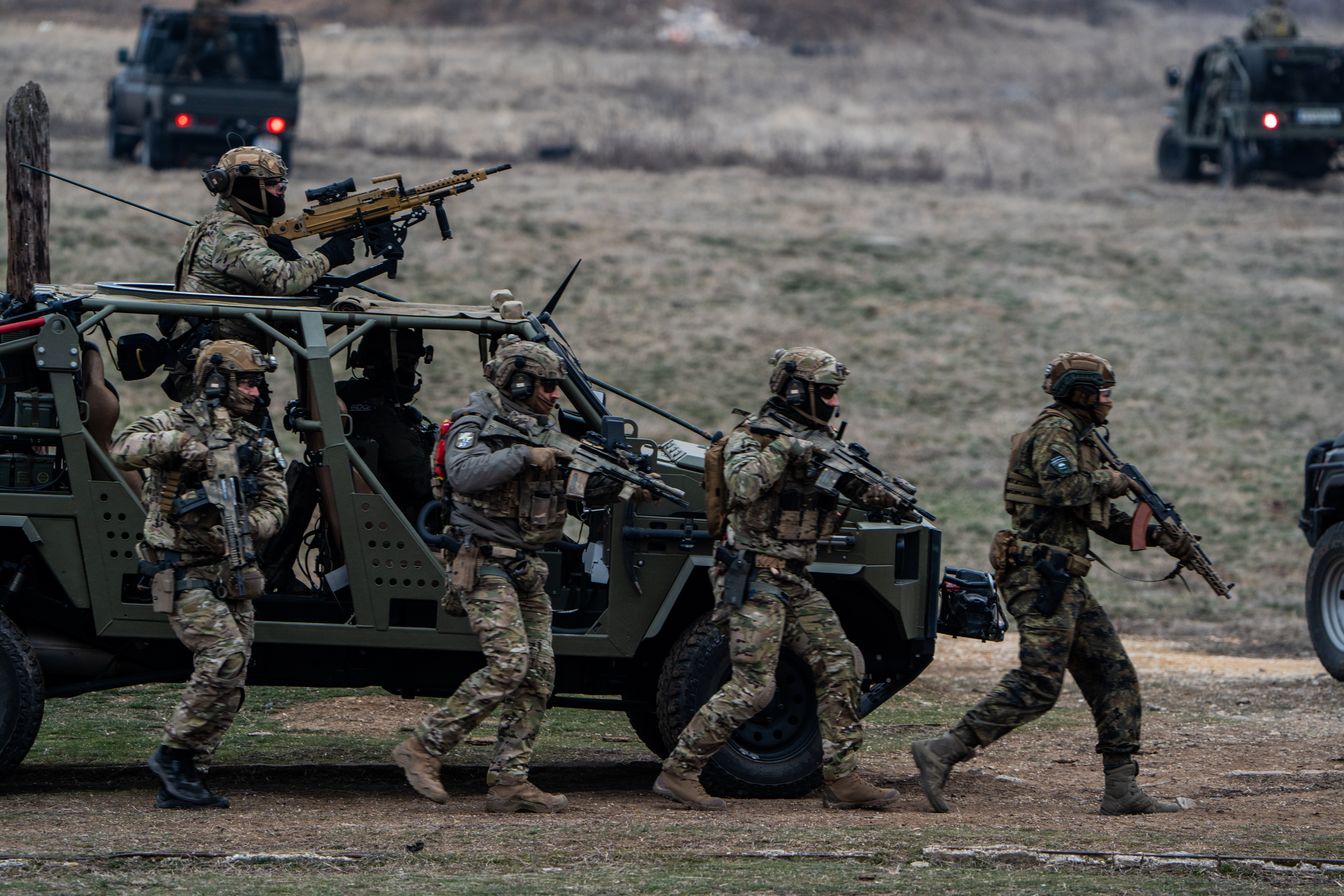
One of the clearest signs of Europe’s changing priorities is rising defence investment.
European governments have announced large scale funding plans focused on infrastructure, aerospace technology, cybersecurity, logistics, and industrial production. These investments aim to improve coordination between member states and strengthen Europe’s ability to respond quickly during emergencies.
Transportation infrastructure has become a major focus.
Bridges, rail systems, ports, and tunnels originally designed for civilian use are now being evaluated for strategic mobility purposes. European planners want to ensure equipment and personnel can move efficiently across borders if required.
Defence manufacturing is another critical priority.
For years, Europe’s defence sector was often criticized for fragmentation, with multiple countries producing incompatible systems independently. New initiatives seek to encourage joint production, shared research, and standardized technologies.
Supporters believe this approach could reduce costs while improving efficiency and coordination.
The Challenge of Public Opinion
Despite growing political urgency, public attitudes toward defence remain complex.
Many Europeans support stronger security measures while simultaneously expressing concern about rising geopolitical tensions. Surveys across several countries suggest that economic issues, healthcare, energy prices, and social stability often remain higher priorities for ordinary citizens than military planning alone.
This creates a delicate balancing act for policymakers.
Governments must address security concerns without creating unnecessary fear or social division. Communication strategies increasingly emphasize resilience, preparedness, and stability rather than alarmist messaging.
Experts note that public trust plays a major role in effective long term planning.
Citizens are more likely to support strategic investments when they understand how those measures relate to broader economic and social security. As a result, European leaders frequently frame defence modernization as part of protecting infrastructure, trade, technological competitiveness, and democratic stability.
Technology and the Future of European Security
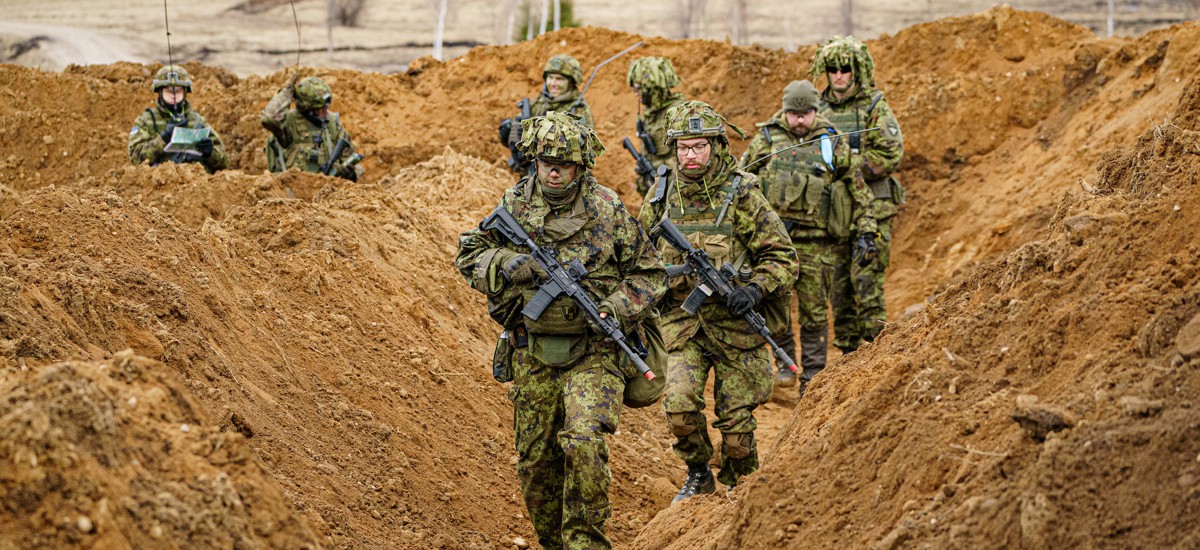
Modern defence discussions extend far beyond traditional military hardware.
Artificial intelligence, drones, satellite systems, cybersecurity, and digital infrastructure now influence strategic planning across Europe. Technological innovation is becoming central to how governments prepare for future risks.
Cybersecurity, in particular, has emerged as a major concern.
European institutions increasingly warn about cyberattacks targeting transportation networks, financial systems, communications infrastructure, and energy grids. Protecting digital systems is now considered just as important as protecting physical borders.
Artificial intelligence also plays a growing role in logistics, surveillance, crisis response, and industrial planning.
As technology evolves, Europe faces pressure to remain competitive while balancing innovation with democratic oversight and ethical standards.
This technological dimension adds another layer to Europe’s broader strategic transformation.
Why the Debate Extends Beyond Europe
Europe’s security discussions matter globally because the continent remains deeply interconnected with international trade, energy markets, diplomacy, and global institutions.
Changes in European defence policy influence relationships with the United States, NATO allies, neighboring countries, and international organizations. They also affect industries ranging from technology and manufacturing to transportation and finance.
At the same time, Europe’s evolving strategy reflects broader global trends.
Many countries worldwide are reconsidering resilience, supply chains, industrial independence, and crisis preparedness in response to geopolitical uncertainty. Europe’s current transformation is therefore part of a much larger international shift.
Observers across Asia, North America, and the Middle East are closely watching how the EU balances cooperation, independence, and long term stability.
The Human Side of Security Discussions
Behind policy documents and budget figures lies a deeply human issue: uncertainty about the future.
Security debates affect how people think about stability, identity, and everyday life. Questions surrounding preparedness often reflect broader anxieties about rapid global change.
For younger generations raised during decades of relative peace in Europe, the return of intense security discussions can feel unfamiliar. Older generations may view current developments through the lens of historical memory and past geopolitical tensions.
This emotional dimension helps explain why defence conversations generate strong reactions across the continent.
People are not only discussing budgets or infrastructure. They are discussing the kind of future they hope Europe will build.
Europe’s Balancing Act Moving Forward
Europe now faces a complex balancing act.
Leaders must strengthen resilience without undermining economic priorities. They must maintain alliances while developing greater strategic independence. They must address security concerns while preserving democratic values and public trust.
None of these goals are simple.
Modern defence planning involves enormous financial investment, political coordination, technological innovation, and long term public support. Progress may take years, especially given Europe’s diversity of political systems, national priorities, and economic conditions.
Still, momentum is clearly building.
Across Brussels and beyond, discussions that once seemed theoretical are now shaping concrete policy decisions. Infrastructure projects, industrial initiatives, and defence coordination programs are becoming central parts of Europe’s future planning.

Conclusion
Europe’s growing focus on defence readiness reflects a profound shift in how the continent views security in the twenty first century. Faced with geopolitical uncertainty, technological transformation, and evolving alliances, European leaders are moving toward greater coordination, resilience, and strategic independence.
The conversation extends beyond military questions alone. It touches infrastructure, technology, economics, public confidence, and the future identity of Europe itself.
While challenges remain significant, the current moment highlights a broader reality: stability can no longer be taken for granted, and preparation has become an essential part of long term planning.
For many observers, the most important question is no longer whether Europe will adapt, but how successfully it can balance security, cooperation, and democratic values in an increasingly complex world.
Sources
NATO
European Commission
Euronews
The Guardian
BBC News
Council on Foreign Relations
The Economist
Reuters
