
It often begins with something easy to overlook. A slight itch along the eyelid, a feeling of dryness, or a bit of irritation after a long day. Many people assume these symptoms are caused by fatigue, screen time, or seasonal allergies.
But when the discomfort lingers, curiosity naturally follows. What if the cause is something less obvious?
In rare cases, persistent eyelid irritation may be linked to a condition known as Phthiriasis palpebrarum. While uncommon, this condition highlights an interesting intersection between medical science, cultural perception, and everyday health awareness.
What Are Eyelash Lice
A Closer Look at the Organism
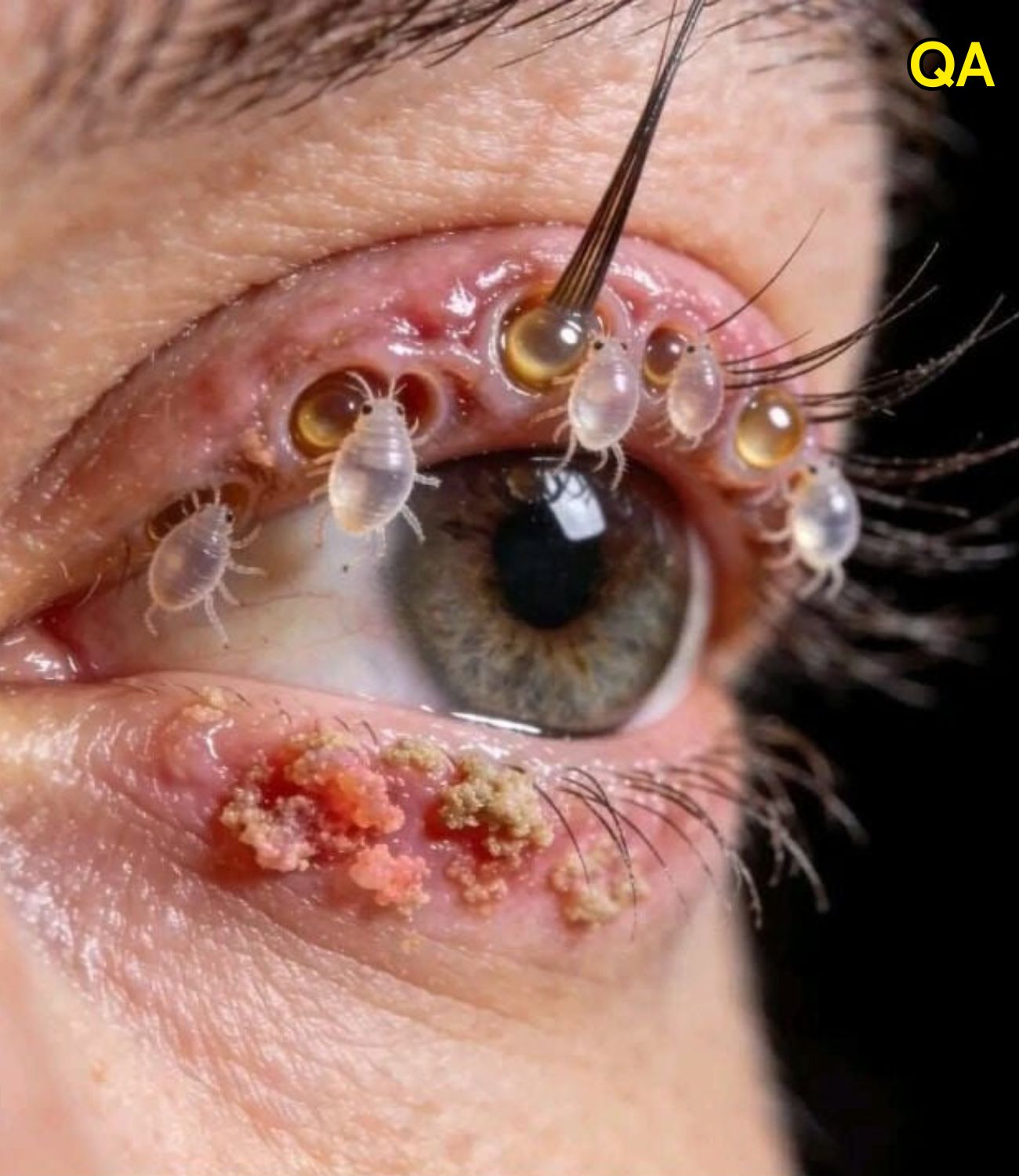
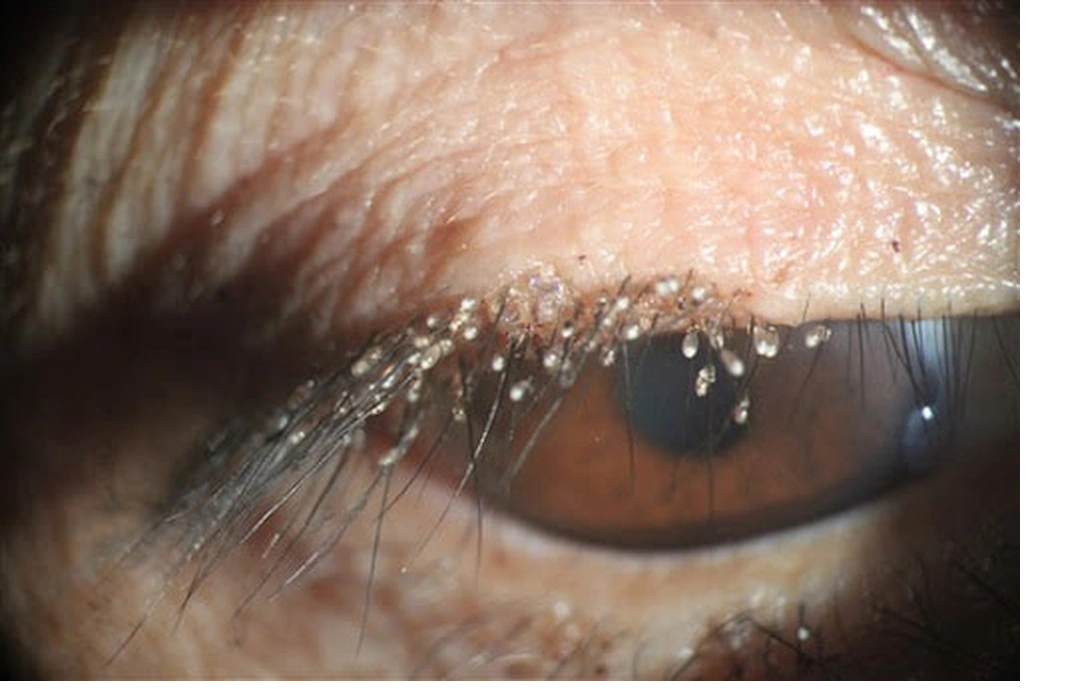
Eyelash lice occur when a tiny parasite called Pthirus pubis attaches to the base of the eyelashes. This organism is more commonly associated with other parts of the body, but in certain situations, it can appear around the eyes.
These parasites are very small and can be difficult to detect without magnification. They attach firmly to hair shafts and lay microscopic eggs near the lash line.
From a biological perspective, they survive by feeding on small amounts of nutrients from the skin. While this may sound concerning, medical experts emphasize that the condition is manageable when properly identified.
Why It Is Rare but Real
Eyelash lice are not commonly encountered in routine eye care. Their rarity is one reason they often surprise people when discussed.
Because they are unusual, they are sometimes misunderstood or exaggerated in online discussions. However, within medical fields, they are well documented and treatable.
Symptoms That Are Easy to Miss
Common Signs
The symptoms of eyelash lice can closely resemble more familiar eye conditions. These may include:
Persistent itching along the eyelid
A sensation of something in the eye
Mild redness or irritation
Tiny particles near the base of the lashes
Because these signs overlap with other issues, it is easy to misinterpret them.

Conditions With Similar Symptoms
Eyelash lice are often confused with Blepharitis, a more common condition involving inflammation of the eyelids.
Other causes of irritation may include dryness, allergies, or environmental exposure. This overlap is why professional evaluation is important when symptoms persist.
The Science Behind the Irritation
Why It Feels Uncomfortable
The itching associated with eyelash lice is primarily due to the interaction between the parasite and the sensitive skin of the eyelid.
When the organism attaches to the hair follicle, it can trigger a mild inflammatory response. This is the body’s natural reaction to irritation.
Additionally, the presence of eggs and debris can create a gritty or uncomfortable sensation, especially when blinking.
Localized and Manageable
Despite how unusual it sounds, this condition is typically localized. It does not spread widely when managed properly, and it can be treated effectively with medical guidance.
Understanding this helps reduce unnecessary worry and encourages a more balanced perspective.
Cultural Perception and Misconceptions
The Role of Stigma
Throughout history, parasites have often been linked to negative assumptions about hygiene or lifestyle. These beliefs can create unnecessary stigma.
Modern medicine, however, presents a more accurate view. Exposure to parasites can occur in various ways and does not necessarily reflect personal habits.
Why Awareness Matters
Because eyelash lice are rare, they are sometimes portrayed in exaggerated ways online. This can lead to fear rather than understanding.
Accurate information helps replace misconceptions with clarity, allowing people to respond calmly and appropriately.
How Doctors Diagnose the Condition
Professional Examination
Diagnosis typically involves a close inspection of the eyelids using magnification tools. Specialists look for visible organisms or eggs attached to the lashes.
Because these parasites are very small, they can be mistaken for debris or flakes. This makes self diagnosis unreliable.
The Importance of Expertise
Eye specialists and dermatologists are trained to distinguish between similar conditions. Their expertise ensures that the correct diagnosis is made and appropriate treatment is recommended.
Organizations such as American Academy of Ophthalmology provide guidelines for identifying and managing such conditions.

Treatment and Management
Medical Approaches
Treatment usually focuses on removing the parasites and addressing any irritation. This may include:
Careful cleansing of the eyelid area
Specialized topical treatments
Supportive care to reduce discomfort
Because the eye area is sensitive, professional guidance is essential.
Avoiding Unverified Remedies
Attempting home treatments without medical advice can sometimes worsen irritation. Following evidence-based recommendations ensures safe and effective care.
Healthcare providers emphasize gentle, targeted approaches rather than aggressive methods.
Prevention and Everyday Habits
Simple Steps for Eye Health
While eyelash lice are uncommon, general hygiene practices can reduce the likelihood of exposure. These include:
Avoiding sharing personal items such as towels or eye makeup
Maintaining regular hand hygiene
Keeping bedding and fabrics clean
Being mindful when touching the eyes
These habits support overall eye health beyond this specific condition.
Awareness Without Anxiety
Being informed does not mean being worried. Understanding rare conditions helps individuals respond appropriately if symptoms arise, without unnecessary concern.
Why Early Attention Helps
Preventing Prolonged Discomfort
Although eyelash lice are not considered a serious health threat, early recognition can make a difference in comfort and recovery time.
Persistent irritation may lead to increased sensitivity if left unaddressed. Seeking professional care ensures that symptoms are resolved efficiently.
A Practical Approach
Listening to your body and paying attention to ongoing symptoms is always valuable. When something feels unusual, consulting a professional is a proactive step.
Reflection on Curiosity and Understanding
Stories about unusual conditions often capture attention because they reveal aspects of the human body that are not widely discussed.
Eyelash lice fall into this category. They are rare enough to seem surprising, yet well understood within the medical community.
This balance between curiosity and knowledge is important. Curiosity encourages exploration, while knowledge provides reassurance.
In the end, even a small symptom can lead to greater awareness. By approaching such topics with calm, accurate information, we turn uncertainty into understanding.
Sources
World Health Organization General Health Guidance
Mayo Clinic Eye Conditions and Care
American Academy of Ophthalmology Eyelid Health and Diagnosis
Centers for Disease Control and Prevention Parasite Information
