
Every night, without much thought, we settle into a position that feels natural. Whether stretched out, curled up, or lying still, these привычки often go unnoticed. Yet for years, people have wondered if these simple choices might reveal something deeper.
The idea that your sleep position reflects your personality has become increasingly popular. Articles, quizzes, and social media posts often suggest that the way you rest can uncover hidden traits or emotional patterns.
But how much of this is grounded in science, and how much belongs to the realm of storytelling? The answer lies somewhere in between.
This article explores sleep positions through both cultural interpretation and scientific understanding, offering a balanced view that separates curiosity from evidence.

The Origins of Sleep Position Interpretations
From Parlor Game to Global Trend
The concept of linking sleep posture to personality began as a lighthearted observation. Over time, it evolved into a widely shared idea, especially as interest in self-discovery and wellness grew.
In modern culture, people are drawn to simple frameworks that help explain behavior. Sleep positions offer an easy and relatable way to reflect on personal habits.
However, it is important to recognize that these interpretations are not formal psychological diagnoses. They are better understood as cultural narratives rather than scientific conclusions.
Why People Find It Appealing
Humans naturally seek patterns. When we notice consistent behaviors, such as how we sleep, we try to connect them to identity.
This process is linked to curiosity and self-reflection. Even when interpretations are not scientifically proven, they can still provide insight into how we perceive ourselves.
Common Sleep Positions and Their Popular Interpretations
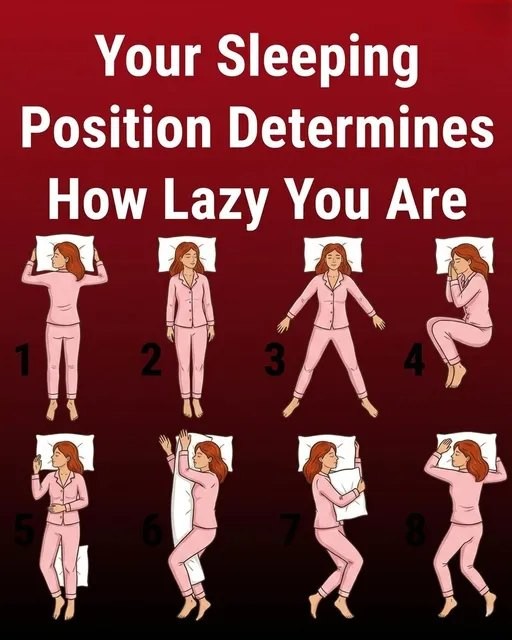
Arms Raised Above the Head
Often described as an open and relaxed posture, this position is associated with a sense of comfort and emotional openness.
People who sleep this way are sometimes thought to be receptive, easygoing, and willing to embrace new experiences. While this interpretation is appealing, it remains speculative.
The “Soldier” Position
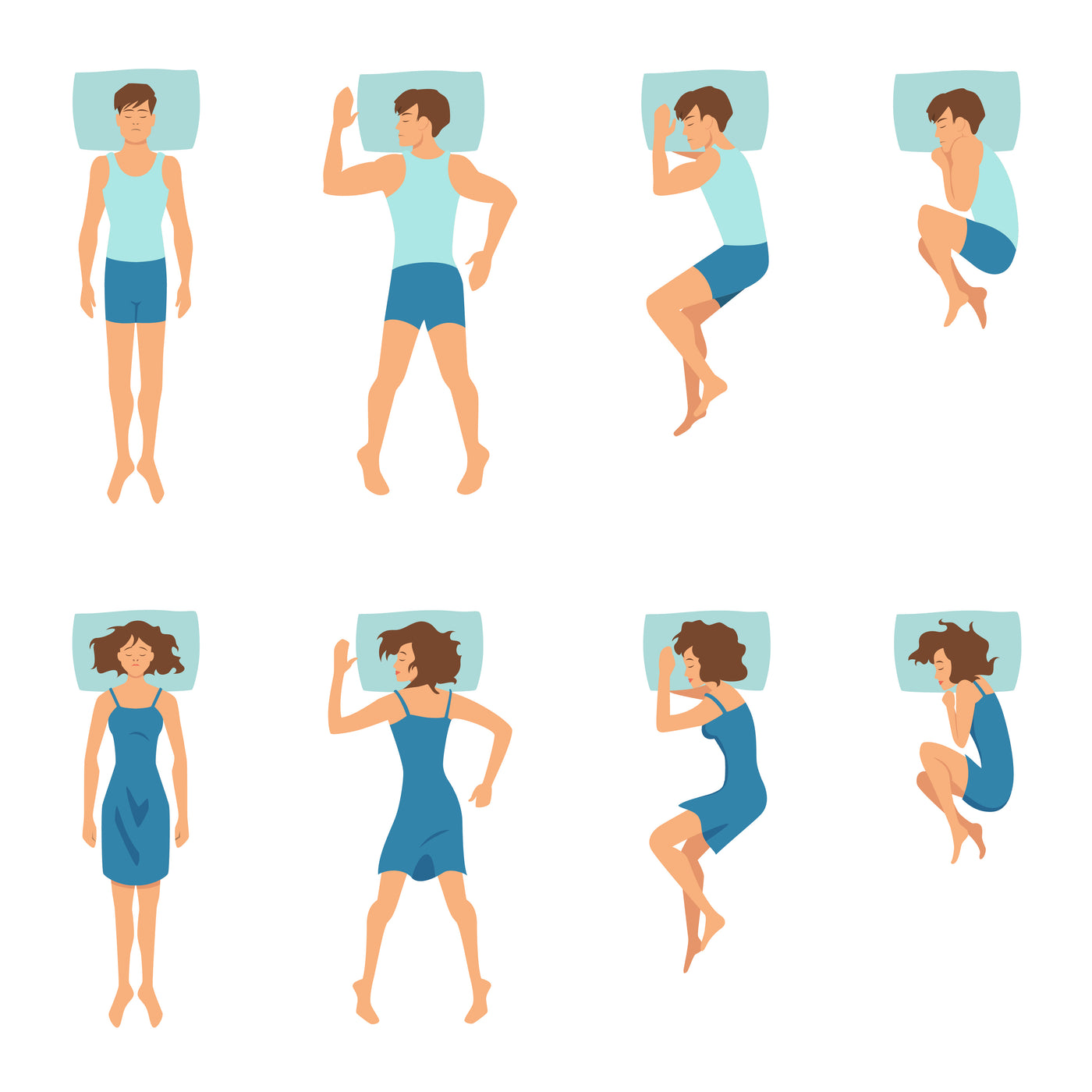
Sleeping flat on the back with arms at the sides is commonly linked to discipline and structure.
This posture is often associated with individuals who value routine and organization. The stillness of the position is seen as reflecting a composed and controlled approach to daily life.

Side Sleeping
Side sleeping is one of the most common positions worldwide. It is often associated with balance and practicality.
Those who sleep comfortably on their side without curling too tightly are thought to maintain stability in both work and personal life.
The Fetal Position
Curling into a compact shape is frequently connected to a desire for comfort and security.
This position is sometimes interpreted as reflecting sensitivity or a need for emotional reassurance. While this idea resonates with many people, it is not universally supported by scientific evidence.
The Starfish and Pillow Hugger
Spreading out across the bed, often referred to as the starfish position, is associated with openness and generosity.
Meanwhile, hugging a pillow is linked to a preference for closeness and emotional warmth. These interpretations highlight how physical comfort can be symbolically connected to emotional needs.
The Restless Sleeper
Some individuals shift positions frequently throughout the night. This behavior is often described as adaptability and flexibility.
Rather than indicating personality traits directly, frequent movement may reflect comfort adjustments or responses to the sleeping environment.
What Science Actually Says About Sleep Positions
The Role of Sleep in Overall Health
Sleep is essential for physical and mental well-being. It supports memory, regulates mood, and helps maintain bodily functions.
Experts in Sleep science focus less on personality interpretations and more on sleep quality, duration, and consistency.
Comfort Over Character
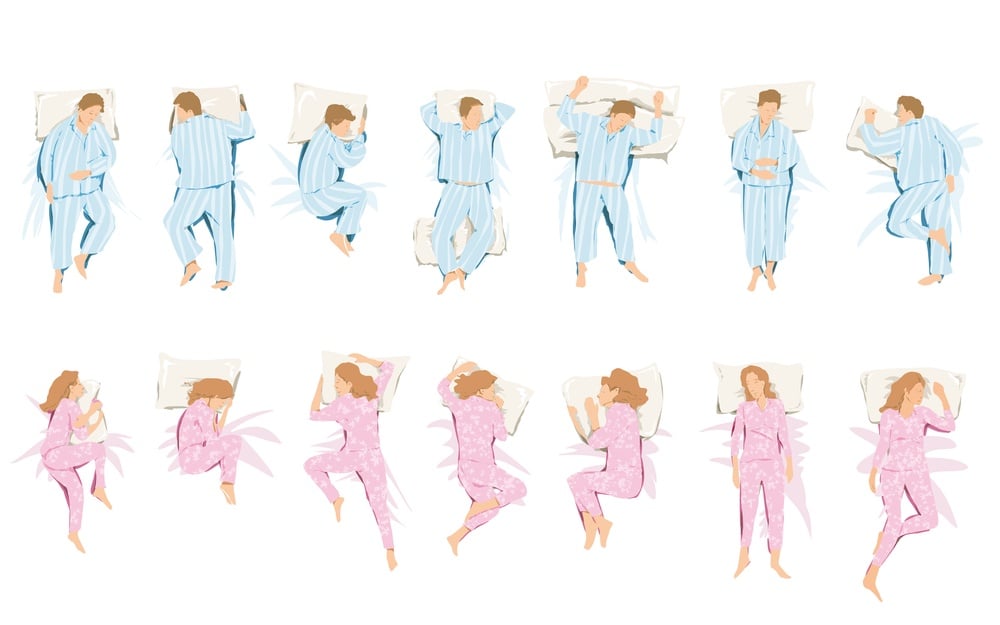
From a scientific perspective, sleep position is primarily influenced by comfort, physical condition, and habit.
Factors such as mattress quality, body structure, and even temperature can determine how a person sleeps.
For example, side sleeping is often recommended for reducing pressure on certain areas of the body, while back sleeping may support spinal alignment for some individuals.
The Brain During Sleep
While posture itself may not reveal personality, sleep stages are closely linked to brain activity.
During phases such as Rapid eye movement sleep, the brain processes emotions and consolidates memories.
These internal processes play a much larger role in shaping behavior and personality than physical sleeping position.
The Psychology Behind the Belief
Why We Connect Habits to Identity
The idea that sleep positions reveal secrets persists because it aligns with how humans think.
We tend to associate physical behaviors with internal traits. This is similar to how body language is often interpreted in daily interactions.
While these connections can sometimes hold partial truth, they are rarely definitive.
The Role of Confirmation Bias
When people read a description that seems to match their personality, they are more likely to believe it.
This is known as confirmation bias. It reinforces the appeal of sleep position interpretations, even when evidence is limited.
Finding Value Without Overinterpretation
A Tool for Self Reflection
Even without strong scientific backing, sleep position analysis can still be useful as a form of reflection.
It encourages individuals to pay attention to their habits and consider how they feel physically and emotionally.
Prioritizing Sleep Quality
Ultimately, the most important factor is not how you sleep, but how well you sleep.
Maintaining good habits such as consistent schedules, a comfortable environment, and reduced stress has a far greater impact on health.
Organizations like National Sleep Foundation emphasize the importance of overall sleep hygiene rather than focusing on posture alone.
A Balanced Perspective
Where Myth Meets Science
Sleep positions exist at the intersection of curiosity and science. While cultural interpretations add meaning and entertainment, scientific research provides clarity and grounding.
Understanding both perspectives allows for a more complete view.
Embracing Curiosity Responsibly
It is natural to be curious about what our habits might reveal. The key is to approach these ideas with openness while recognizing their limitations.
By doing so, we can enjoy the insights they offer without relying on them as definitive truths.
Reflection on Human Curiosity
The idea that something as simple as sleep position could reveal hidden aspects of personality speaks to a deeper human desire to understand ourselves.
We look for meaning in patterns, even in the quiet moments of rest. This curiosity drives exploration, reflection, and growth.
While science reminds us to focus on evidence, stories and interpretations remind us to stay engaged and curious.
In the end, your sleep position may not define who you are. But the act of wondering about it reveals something important.
It shows a willingness to look inward, to ask questions, and to better understand the connection between body and mind.
And perhaps that curiosity, more than any position, is what truly shapes us.
Sources
National Sleep Foundation Sleep Health Guidelines
Mayo Clinic Sleep Positions and Physical Health
Harvard Medical School Sleep and Brain Function
American Academy of Sleep Medicine Sleep Recommendations
Sleep Research Society Advances in Sleep Science
