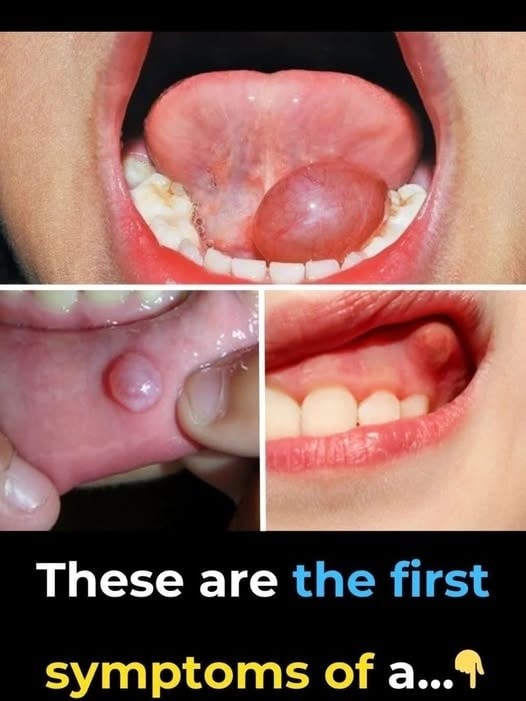

Most people don’t think twice about small changes in their mouth. A minor sore, a patch of irritation, or a slight discomfort is often brushed off as temporary.
But sometimes, these subtle signs can carry more meaning.
Conditions like Oral Cancer may begin quietly, without obvious pain or disruption. That’s why awareness plays such an important role. Recognizing early signals can lead to timely evaluation and better outcomes.

Understanding Oral Cancer
Oral cancer refers to abnormal cell growth in areas such as the lips, tongue, cheeks, gums, or throat.
Why Early Detection Matters
In its early stages, oral cancer may not cause noticeable discomfort. This can make it easy to overlook. However, identifying changes early allows healthcare professionals to assess and manage the condition more effectively.
Organizations like the World Health Organization emphasize the importance of awareness and regular health checks in reducing risks associated with many conditions, including those affecting the mouth.
Common Early Signs to Watch For
While not every symptom indicates a serious issue, certain signs should not be ignored if they persist.
1. A Sore That Doesn’t Heal
A mouth sore that lasts longer than two weeks is one of the most commonly noted warning signs. Healing delays can signal underlying issues that need evaluation.
2. Red or White Patches
Persistent patches inside the mouth, whether red or white, may indicate abnormal changes in the tissue. These patches can appear on the tongue, gums, or inner cheeks.
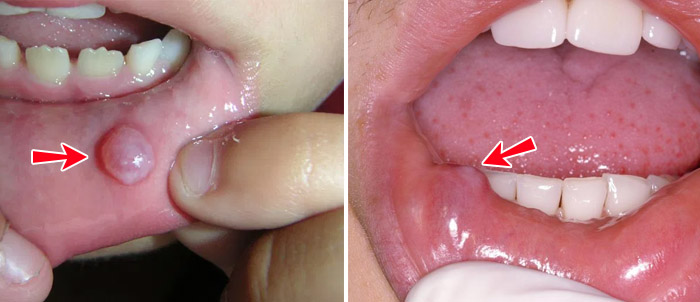
3. Unusual Lumps or Thickened Areas
If you notice a lump, rough spot, or thickened tissue that feels different from surrounding areas, it is worth having it checked.
4. Difficulty With Everyday Movements
Challenges with chewing, swallowing, or moving the tongue or jaw should not be dismissed, especially if they continue over time.
5. Sensory Changes
Numbness, unexplained discomfort, or a persistent sensation that something is stuck in the throat can also be signs that require attention.
6. Voice or Ear Changes
Ongoing voice changes or discomfort in the ear without a clear cause may sometimes be linked to oral or throat conditions.

What Increases Risk?
Several factors may contribute to the likelihood of developing oral cancer.
Lifestyle Factors
Use of tobacco products and high alcohol consumption are among the most commonly cited risk factors.
Health and Hygiene
Poor oral hygiene and lack of regular dental care can also play a role over time.
The Role of Regular Checkups
Routine visits to dental professionals allow for early detection of unusual changes. Dentists are trained to spot signs that might not be obvious to patients.
The Science Behind Early Symptoms
From a medical perspective, early signs often result from changes in how cells grow and repair themselves.
Normal cells follow controlled patterns of growth. When that process becomes disrupted, visible changes may appear on the surface of tissues.
These changes are not always harmful, but they are important signals that something may need closer examination.
Prevention and Daily Awareness
Simple Habits That Help
Maintaining good oral hygiene
Scheduling regular dental visits
Limiting exposure to known risk factors
Paying attention to changes in the mouth
These actions contribute to overall oral health and awareness.
Listening to Your Body
The body often provides early signals when something changes. Being attentive to those signals is a key part of maintaining health.
A Balanced Perspective
It is important to remember that many oral symptoms have non-serious causes. Irritation, minor infections, or temporary conditions can produce similar signs.
The goal is not to create fear, but to encourage awareness.
If something persists or feels unusual, seeking professional advice is a practical and responsible step.

A Reflection on Awareness and Curiosity
Why do we tend to overlook small changes in our own bodies?
Perhaps it is because familiarity creates comfort. We assume that what we experience daily is normal, even when subtle differences appear.
From a scientific perspective, early detection is a powerful tool in managing health conditions.
From a human perspective, awareness begins with curiosity.
Curiosity about what our bodies are telling us. Curiosity about changes that seem minor but persist. And curiosity about how small observations can lead to meaningful action.
In the end, paying attention is not about worry.
It is about understanding.
And sometimes, something as simple as noticing a small change can make all the difference.
Sources
World Health Organization (WHO). Oral Health and Cancer Awareness. https://www.who.int
American Dental Association (ADA). Oral Cancer Detection and Prevention. https://www.ada.org
Mayo Clinic. Oral Cancer Symptoms and Causes. https://www.mayoclinic.org
National Institute of Dental and Craniofacial Research (NIDCR). Oral Cancer Overview. https://www.nidcr.nih.gov
Warnakulasuriya, Saman. “Global Epidemiology of Oral Cancer.” Oral Oncology Journal
