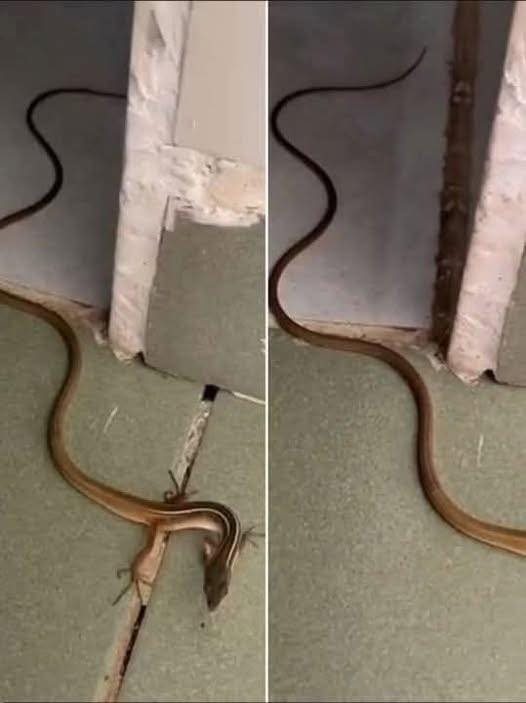

It was a calm evening in a small countryside home in northern Vietnam. The air felt cool after a brief rain, and the scent of damp soil lingered in the garden. As the homeowner stepped outside to check on newly planted greenery, something subtle shifted near a shaded corner. It wasn’t alarming, just unexpected. A slender reptile moved quietly between leaves and disappeared into a patch of dense vegetation.
Moments like this often spark a familiar question: Are certain plants attracting snakes? Across cultures and generations, people have shared warnings about specific types of greenery believed to invite these elusive creatures closer to home. But how much of this belief is rooted in science, and how much belongs to folklore?
This article explores the relationship between plants, environmental conditions, and snake behavior—balancing traditional wisdom with ecological understanding to help you make informed decisions about your living space.

Understanding Why Snakes Appear Near Homes
Snakes are a natural part of many ecosystems, especially in warm and humid regions. Their presence near homes is not random. It is typically influenced by environmental factors that support their survival.
Snakes seek three essential things: shelter, food, and suitable temperature. Gardens and yards can unintentionally provide all three. Dense vegetation offers hiding places, small animals like rodents or insects provide food, and shaded, moist areas help regulate body temperature.
In regions like Vietnam, where tropical and subtropical climates dominate, these conditions are quite common. This explains why snakes are sometimes seen in unexpected places such as rooftops, tree branches, storage rooms, or even quiet indoor corners.
However, it is important to clarify that snakes are not actively seeking human spaces. Instead, they are responding to environmental cues that make certain areas comfortable for them.
The Plant Connection: Do Some Plants Really Attract Snakes?
One plant often mentioned in local discussions is “white snake grass,” sometimes called snake tongue grass or boa grass. It is commonly found along roadsides, forest edges, and moist, shaded areas throughout Vietnam.
From a scientific perspective, there is no strong evidence that any specific plant directly attracts snakes. Unlike pollinators that are drawn to flowers or animals attracted to fruit-bearing plants, snakes do not rely on vegetation in that way.
However, the conditions in which certain plants grow can indirectly influence snake presence. Plants that thrive in cool, damp, and undisturbed environments tend to create habitats that are also favorable for snakes.
This means that the connection between plants and snakes is more about shared environmental preferences than a direct attraction.
White Snake Grass and Cultural Interpretations
White snake grass holds a unique place in local folklore. In some communities, its presence is seen as a natural indicator of a “snake-friendly” environment. People may interpret the plant as a warning sign, suggesting that snakes could be nearby.
These beliefs likely developed through observation over time. When people repeatedly noticed snakes in areas where this plant grew, they formed an association between the two.
While science explains this connection through habitat conditions, cultural interpretations add another layer of meaning. They reflect how humans interpret patterns in nature and pass that knowledge through generations.
Understanding both perspectives helps create a balanced view—respecting tradition while relying on evidence-based insights.
Common Garden Features That May Encourage Snake Activity
Rather than focusing on specific plants, it is more helpful to examine garden features that create suitable habitats for snakes.
Overgrown vegetation is one of the most common factors. Thick shrubs, tall grass, and unmanaged plant beds provide excellent hiding spots. Snakes prefer areas where they can remain concealed and undisturbed.
Moist environments also play a significant role. Piles of leaves, compost heaps, and waterlogged soil create cool, humid conditions that help snakes regulate their body temperature.
Another important factor is food availability. Gardens that attract rodents, frogs, or insects may indirectly attract snakes as well. For example, fruit trees that drop produce or areas with poor waste management can increase the presence of small animals.
Finally, structural features such as rock piles, wood stacks, and gaps in walls or foundations can offer shelter. These spaces provide protection from heat and predators, making them appealing resting spots.
Where Snakes Tend to Hide Around the Home
Snakes are highly adaptable and can settle in a variety of locations if conditions are favorable. Some common hiding spots include under beds, inside closets, and behind storage items in quiet indoor areas.
Outdoors, they are often found in shaded corners, under piles of debris, or among dense vegetation. Garages, sheds, and storage rooms can also provide suitable shelter, especially if they are cool and undisturbed.
In rural or semi-rural settings, encounters may be slightly more common due to the proximity of natural habitats. However, even in urban environments, small green spaces can occasionally support snake activity.
Recognizing these potential hiding places can help homeowners stay aware without becoming overly concerned.
Practical Steps to Reduce the Likelihood of Encounters
Creating a safer environment does not require removing all greenery. Instead, it involves thoughtful maintenance and awareness.
Keeping the garden tidy is one of the most effective steps. Regularly trimming grass, pruning shrubs, and clearing fallen leaves reduces hiding spots. Maintaining proper drainage can also prevent excess moisture from building up.
Sealing gaps and cracks in walls, doors, and foundations helps prevent snakes from entering indoor spaces. Installing screens on vents and ensuring doors close securely can further reduce access.
Managing waste and food sources is equally important. Proper storage of food and regular cleaning can limit the presence of rodents and insects, which in turn reduces the likelihood of attracting snakes.
Lighting can also make a difference. Well-lit outdoor areas are generally less appealing to animals that prefer cover and darkness.
These measures focus on modifying the environment rather than targeting wildlife directly, promoting coexistence in a balanced way.

Learning to Coexist with Nature
Snakes play an important role in maintaining ecological balance. They help control populations of small animals and contribute to the overall health of ecosystems.
While their presence can feel unsettling, it is important to remember that most snakes prefer to avoid human interaction. Encounters are usually brief and occur when their natural habitats overlap with human spaces.
By understanding their behavior and making small adjustments to our surroundings, it is possible to reduce unwanted encounters while respecting their role in nature.
This perspective encourages a shift from fear to awareness—recognizing that humans and wildlife share the same environment.
Myth vs. Science: Finding the Middle Ground
The idea that certain plants attract snakes is a compelling example of how myth and observation can intersect. While scientific evidence does not support the idea of direct attraction, it does acknowledge the importance of environmental conditions.
Cultural beliefs, such as those surrounding white snake grass, often arise from repeated experiences. They may not always align perfectly with scientific explanations, but they offer valuable insights into how people interpret their surroundings.
Rather than dismissing these beliefs, it is more productive to understand their origins and compare them with modern research. This approach creates a more complete picture—one that respects tradition while embracing knowledge.
Conclusion: Curiosity, Caution, and Connection
The relationship between plants and snakes is not as simple as it may seem. It is shaped by a complex interplay of environmental factors, cultural interpretations, and ecological realities.
Gardens do not inherently attract snakes, but the conditions they create can sometimes make an area more appealing. By focusing on habitat management and awareness, homeowners can reduce the likelihood of encounters without sacrificing the beauty of their outdoor spaces.
At its core, this topic reflects a deeper aspect of human nature: curiosity. We observe patterns, share stories, and seek explanations for the world around us. Whether through folklore or science, each perspective adds to our understanding.
In the end, learning to coexist with nature is not about eliminating uncertainty, but about embracing it with knowledge and respect.
Sources
World Health Organization
https://www.who.int
National Geographic
https://www.nationalgeographic.com
Smithsonian Magazine
https://www.smithsonianmag.com
Encyclopaedia Britannica
https://www.britannica.com
Vietnam Academy of Science and Technology
https://vast.gov.vn
Primedailys (original inspiration content)
