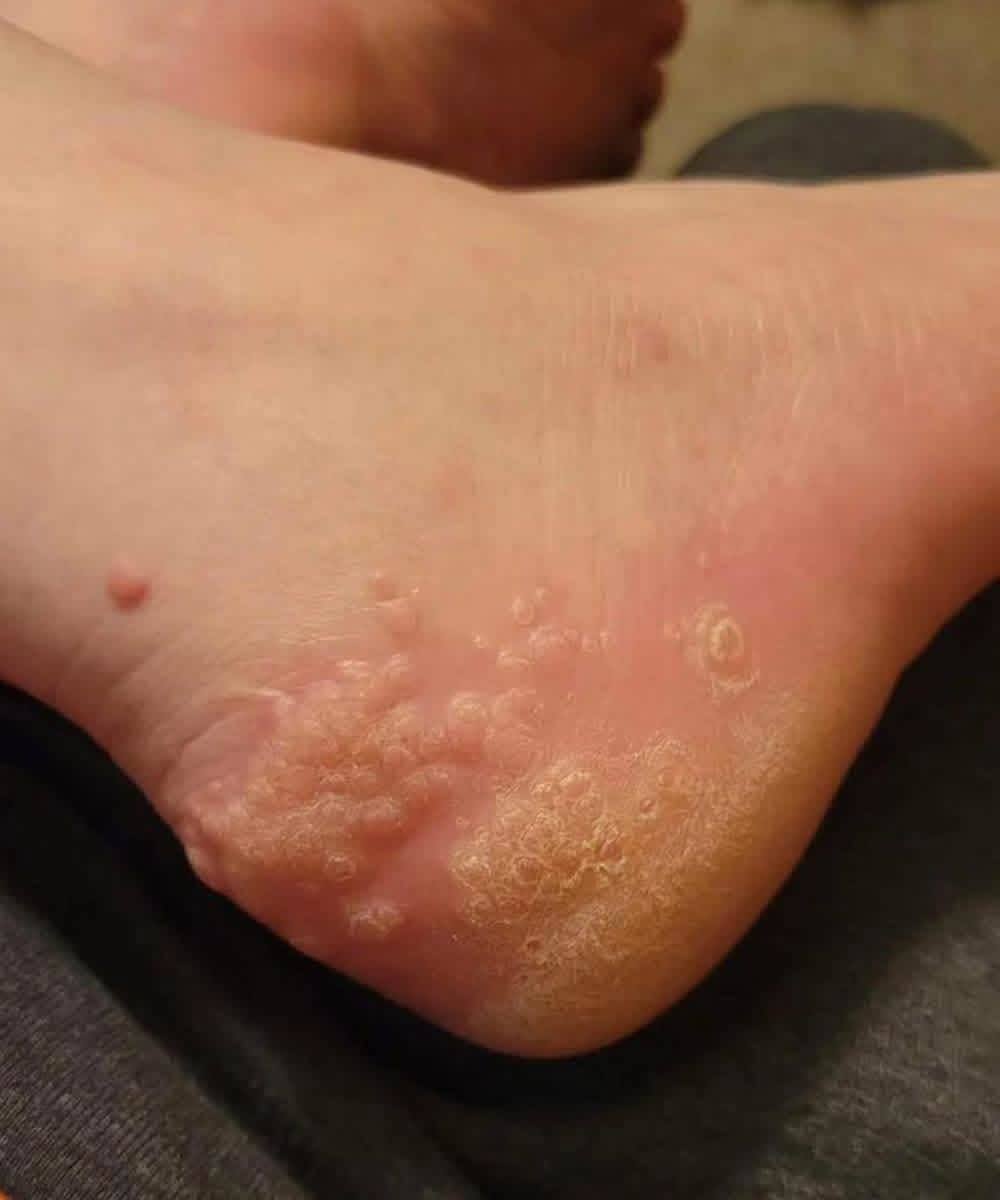

It might start as a minor detail. You slip on a pair of second-hand shoes, appreciating the savings and sustainability. Days later, you notice something new a small, hardened patch of skin forming on your toe. It may feel slightly uncomfortable, maybe even tender when pressed.
At first glance, it seems like a mystery. But in reality, your body is responding in a very natural and intelligent way. This common experience opens the door to a deeper understanding of foot health, cultural beliefs about the body, and the science behind everyday discomfort.

Understanding Corns and Calluses
What Are They and Why Do They Form
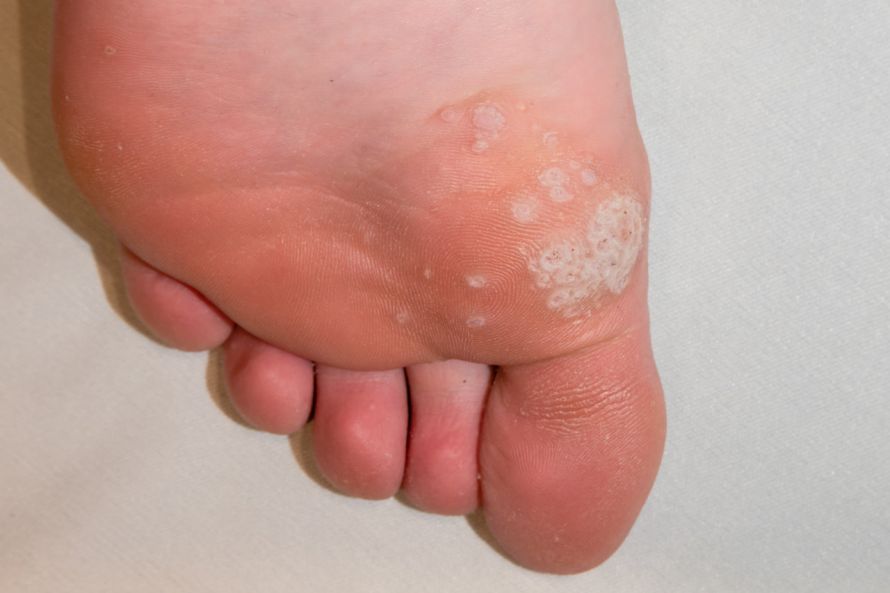
Corns and calluses are areas of thickened skin that develop when the body tries to protect itself from repeated friction or pressure. This process is linked to a biological mechanism involving Keratin, a protein that strengthens the outer layer of the skin.
When certain areas of your feet experience constant rubbing or compression, the skin produces more keratin. Over time, this buildup forms a hardened, often yellowish patch.
Corns are typically smaller and more concentrated, often appearing on the tops or sides of toes. They may have a dense center that can feel uncomfortable when pressed. Calluses are usually larger, flatter, and found on weight-bearing areas like the soles of the feet.
Why the Yellow Color Appears
The yellow tone is not unusual. It comes from layers of compacted dead skin cells. In most cases, this color is simply part of the body’s natural protective response rather than a sign of a serious issue.
Why Second-Hand Shoes Can Cause Problems
The Hidden Shape of Footwear
Shoes are not static objects. Over time, they adapt to the person who wears them. Insoles compress, materials soften, and pressure points develop based on walking patterns.
When someone else wears those same shoes, their feet encounter a structure that no longer matches their natural shape. This mismatch often creates friction in unexpected places.
Pressure and Friction Combined
Second-hand shoes can press on areas that were not originally designed for your foot. Narrow toe boxes, uneven cushioning, or altered seams can lead to repeated rubbing.
With every step, this friction signals the skin to protect itself. The result is the formation of corns or calluses.
Hygiene Considerations
Beyond shape, hygiene also plays a role. Even well-cleaned shoes may retain traces of moisture or microorganisms. In some cases, this can increase the likelihood of irritation or contribute to conditions like Athlete’s foot.
However, it is important to note that not all second-hand shoes cause problems. Proper cleaning and careful selection can reduce many of these risks.
Other Possible Causes to Consider
Blisters from Friction
When friction is more intense or sudden, the skin may form blisters instead of hardened patches. These are fluid-filled areas that develop beneath the surface.
They are usually temporary and heal with reduced pressure, though they can be uncomfortable while present.
Fungal Conditions
Fungal infections typically present differently from corns or calluses. Symptoms may include itching, peeling skin, or changes in nail appearance.
Unlike a firm, raised bump, these conditions tend to affect larger areas of the foot.
Cultural Perspectives on Foot Health
The Body as a Messenger
In many cultures, physical changes in the body are sometimes interpreted as signals beyond biology. Feet, in particular, have been associated with movement, direction, and life balance.
A change in the feet might be seen symbolically as a sign to slow down or adjust one’s path. While these interpretations are not scientific, they reflect a long-standing human tendency to seek meaning in physical experiences.
Bridging Belief and Science
Modern medicine provides clear explanations for conditions like corns and calluses. At the same time, cultural perspectives remind us to pay attention to our bodies.
Together, they encourage awareness. Whether viewed scientifically or symbolically, the message is similar something in your routine may need adjustment.
How to Treat and Manage the Problem
Choosing Better Footwear
The most effective solution is to remove the cause. Shoes should fit comfortably, provide enough space for toes, and offer proper support.
If a pair of shoes causes discomfort, it is best to stop wearing them and switch to a better-fitting alternative.
Gentle Care for Your Feet
Soaking your feet in warm, soapy water for 10 to 20 minutes can soften hardened skin. After soaking, you can gently smooth the area using a pumice stone or similar tool.
It is important to avoid aggressive methods. Cutting or removing skin forcefully can lead to complications.
Reducing Friction
Protective options such as corn pads, soft cushions, or gel sleeves can help reduce contact between the skin and the shoe. These create a barrier that allows the skin to recover.
Keeping Skin Hydrated
Moisturizing regularly helps maintain skin flexibility. Creams containing urea or mild acids can soften thickened areas and prevent further buildup.
Over-the-Counter Options
Products containing Salicylic acid can gradually break down thickened skin. However, they should be used carefully and according to instructions.
Individuals with sensitive skin or certain health conditions should consult a professional before using such treatments.
When to Seek Professional Advice
Most corns and calluses can be managed at home. However, if the area becomes increasingly uncomfortable, shows signs of irritation, or does not improve over time, it may be helpful to consult a specialist.
A podiatrist can safely remove thickened skin and assess whether underlying factors such as foot structure or alignment are contributing to the issue.
Prevention: The Best Long-Term Solution
Smart Use of Second-Hand Shoes
Second-hand shoes can still be a practical and eco-friendly option. The key is to approach them carefully.
Clean and disinfect them thoroughly before use. Wear them gradually to allow your feet to adjust. Always ensure they fit properly in both length and width.
Listening to Your Body
Your body often signals discomfort early. Paying attention to these signals allows you to make small adjustments before issues develop further.
Comfort, fit, and hygiene are the foundation of healthy feet.
A Reflection on Human Curiosity
A small yellow patch on the skin may seem insignificant, yet it reveals a fascinating interaction between the body and its environment. It shows how the body adapts, protects, and communicates without words.
Curiosity leads us to ask why these changes happen. Science provides the answers, while experience teaches us how to respond.
In the end, even the smallest details can offer valuable insight. By paying attention, we not only care for our bodies more effectively, but also deepen our understanding of how they quietly work to keep us well.
Sources
Happiness Life article on second-hand shoes and foot care
American Academy of Dermatology resources on corns and calluses
Mayo Clinic guidance on foot health
National Health Service information on common foot conditions
