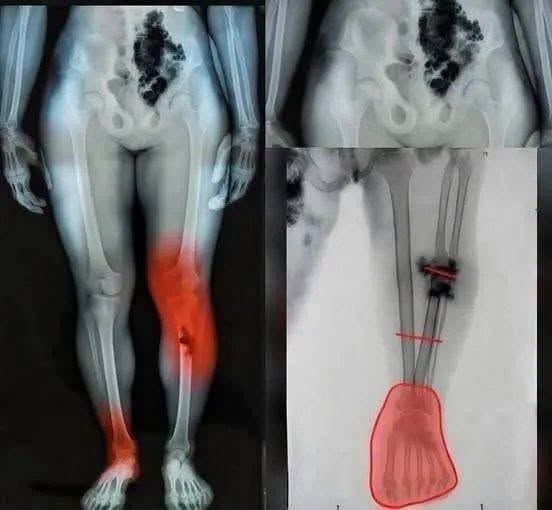

For many adults over 60, recovery after a major illness or surgery can feel like stepping into unfamiliar territory. The most obvious symptoms may fade, and medical checkups may show encouraging results, yet something still feels different.
Energy levels may not fully return. A short walk may feel more tiring than expected. Concentration might fluctuate. These subtle changes can be confusing, especially when everything seems “fine” on the surface.
But modern research in Geriatrics is beginning to shed light on this phase of recovery, revealing that healing in later life is not slower in a negative sense. It is simply different.

Why Recovery Takes Longer With Age
Healing is one of the most complex processes the human body performs. When facing illness or undergoing surgery, the body shifts into repair mode, directing energy toward restoring balance and rebuilding tissues.
In younger individuals, this process tends to happen quickly. Cells regenerate faster, and the immune system responds with high efficiency.
After the age of 60, however, the body begins to manage its energy differently. Instead of rapid repair, it prioritizes careful, sustained recovery. This shift is a natural part of aging biology, not a sign of weakness.
Healing becomes less like a sprint and more like a marathon.
The Invisible Factor: Lingering Inflammation
One of the key reasons recovery can feel prolonged is something not easily seen or measured day to day: low-grade inflammation.
Even after the main illness has resolved, the body’s internal defense system may remain slightly activated. This ongoing response can affect how the body feels and functions.
In medical terms, this is often linked to Inflammation that continues at a low level, influencing energy, mobility, and mental clarity.
This is why some people experience lingering fatigue, mild discomfort, or difficulty concentrating during recovery.
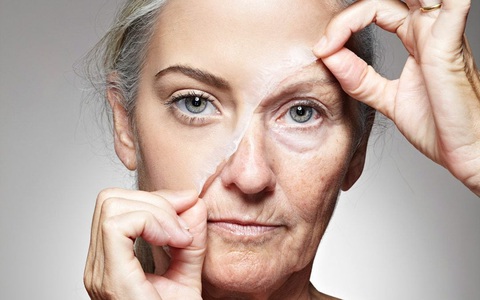
Understanding “Post-Illness” Symptoms
Many older adults report what are sometimes called post-acute symptoms. These can include:
Persistent tiredness even after rest
Reduced stamina during simple activities
Mild joint or muscle stiffness
Occasional difficulty focusing, often referred to as Brain Fog
These experiences can feel frustrating, especially when they interfere with daily routines. However, they are often part of the body’s ongoing repair process.
Recognizing this can help reduce unnecessary worry and encourage a more patient approach to recovery.
The Role of Energy Management
Healing requires energy, and after a major health event, the body carefully allocates its resources.
Instead of supporting full activity levels immediately, it directs energy toward internal repair. This can leave less available for physical movement or mental tasks.
Understanding this shift is important. It explains why rest becomes essential, not optional.
At the same time, gentle activity, such as light walking or stretching, can support recovery when done at the right pace.
When Slow Is Normal and When It Is Not
A key challenge during recovery is knowing the difference between normal progress and signs that need medical attention.
A gradual return of strength, even if slow, is generally expected. However, certain symptoms should not be ignored.
These may include:
Persistent discomfort in the chest area
A racing heartbeat while at rest
Shortness of breath during light activity
These signs may indicate that systems such as circulation or oxygen exchange need further evaluation. In such cases, seeking guidance from a healthcare professional is important.
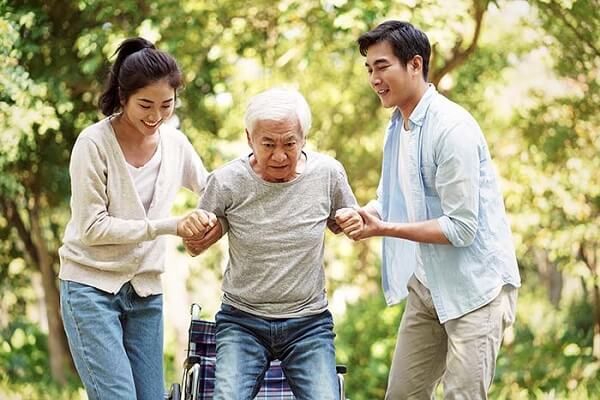
The Importance of Rest and Patience
One of the most valuable tools during recovery is patience.
In a fast-paced world, it can be tempting to push for quick results. But the body does not follow external timelines. It heals according to its own internal rhythm.
Rest allows the body to complete the repair processes that are not immediately visible. It supports immune function, tissue regeneration, and overall balance.
Rather than seeing rest as inactivity, it can be viewed as an active part of healing.
A Shift in Perspective
Recovery after 60 often requires a shift in mindset.
Instead of focusing on how quickly progress happens, it becomes more helpful to focus on consistency and gradual improvement.
Small gains, such as walking a little farther or feeling slightly more energetic, are meaningful indicators of progress.
This perspective can make the journey feel more manageable and less stressful.
The Resilience of the Human Body
Despite the challenges, one of the most remarkable aspects of recovery is the body’s resilience.
Even after significant strain, the body continues to repair, adapt, and regain strength. This process may take longer, but it remains effective.
Modern medicine continues to explore how aging bodies heal, offering new insights into how recovery can be supported through nutrition, movement, and medical care.
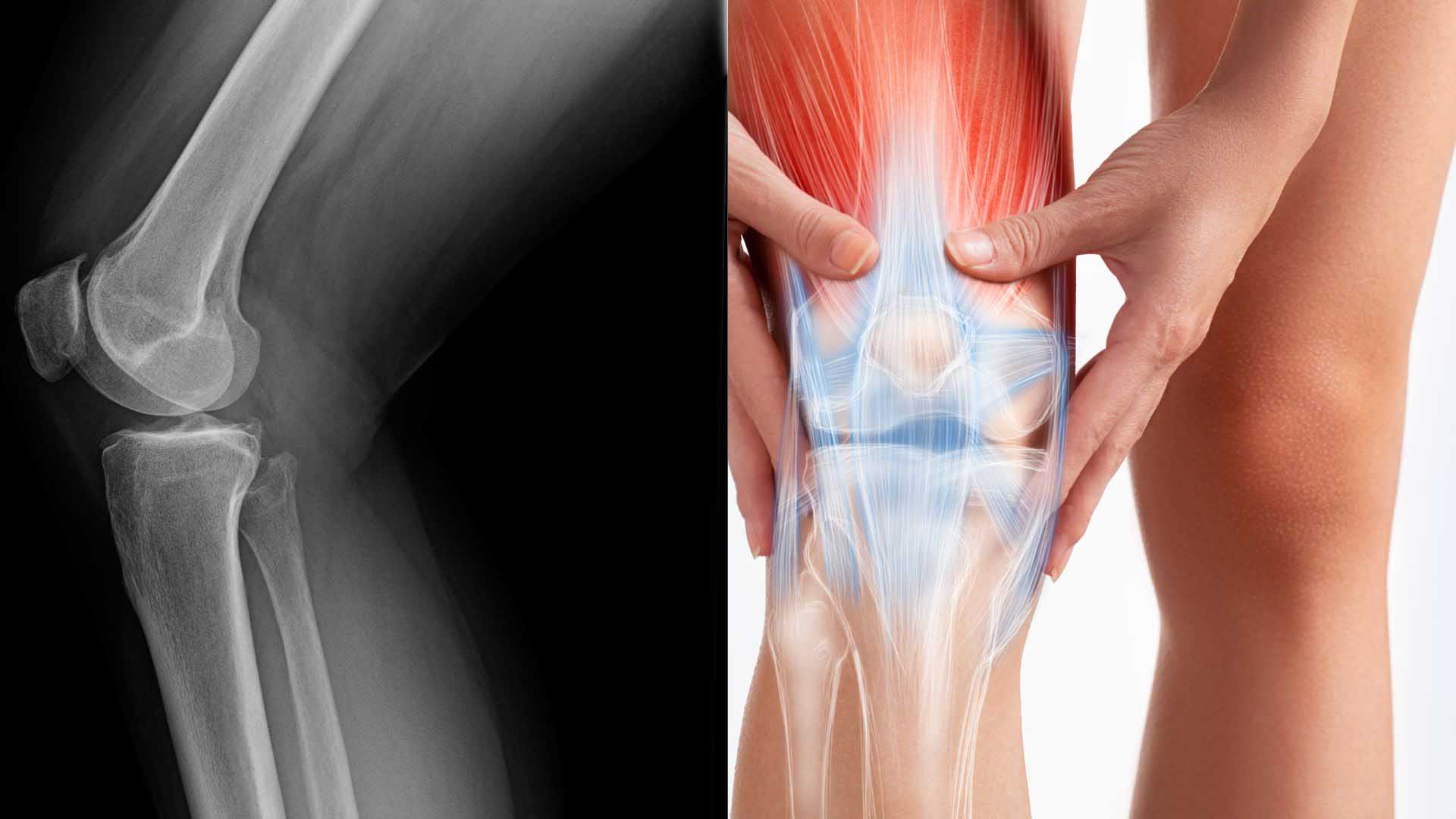
A Reflection on Healing and Human Curiosity
The journey of recovery after 60 is not just a medical process. It is a deeply human experience.
It reminds us that healing is not always visible or immediate. It happens quietly, beneath the surface, in ways we may not fully understand.
Human curiosity drives us to ask why recovery changes with age. Science provides answers, but it also reveals something more profound: the body’s ability to adapt and endure.
In the end, recovery is not about returning to the past. It is about moving forward with awareness, patience, and respect for the body’s natural rhythm.
The road may be longer, but it leads to the same destination: strength, balance, and the ability to continue living a meaningful life.
Sources
Ebook24h. “The Long Road Home: Why Recovery After 60 Is Changing Everything We Know About the Human Body’s Hidden Healing Powers”
National Institute on Aging
World Health Organization Aging and Health Reports
Harvard Medical School Health Publishing
