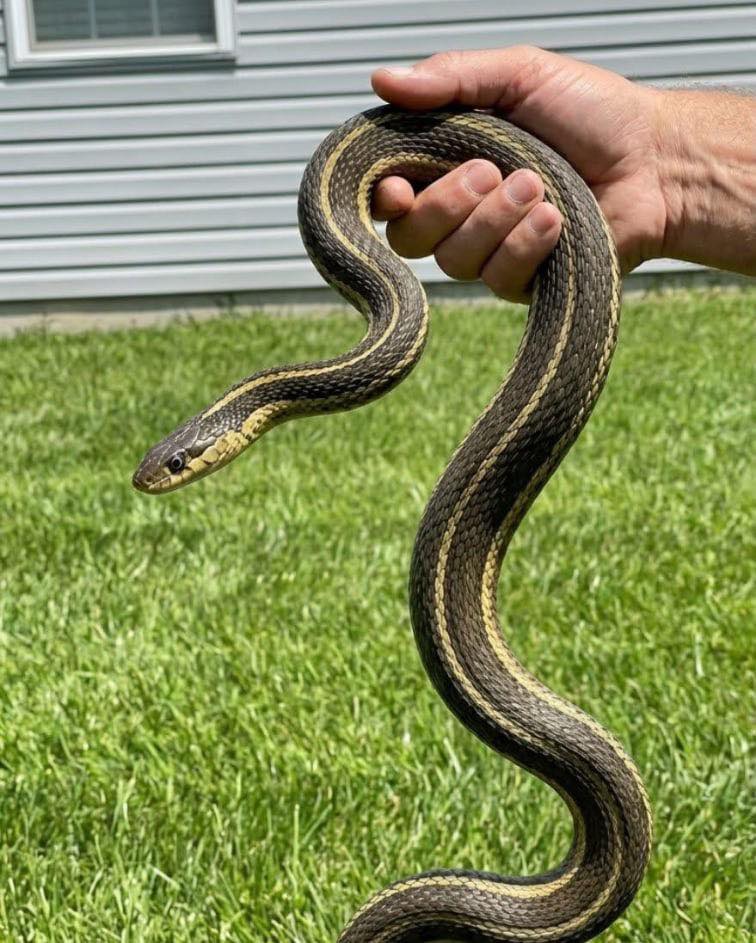

It often happens unexpectedly. You step into your yard on a warm afternoon, perhaps to water plants or enjoy a bit of fresh air, and suddenly you notice subtle movement near a garden edge. For a brief moment, everything feels still.
Encounters like this can be surprising, even unsettling, especially if you are unsure what to do next. Yet in many cases, the presence of a snake is not a sign of danger, but rather an indication that your outdoor space offers something it finds useful.
Understanding why snakes are drawn to certain environments is the first step toward keeping your yard comfortable while also respecting local wildlife. The goal is not to harm, but to create a space that naturally encourages them to move elsewhere.

Why Snakes Appear in Residential Yards
Shelter, Food, and Quiet Spaces
Snakes do not randomly choose where to go. Like most animals, they are guided by basic needs: shelter, food, and a sense of safety.
Areas with tall grass, woodpiles, stacked materials, or dense shrubs can provide ideal hiding spots. At the same time, yards that attract rodents or insects may unintentionally create a food source.
When these elements come together, a yard can become temporarily appealing to snakes.
Seasonal Movement and Climate
In warmer months, snakes tend to be more active. They may move through neighborhoods while searching for food or new shelter. This means that even well-maintained yards might occasionally receive a visit.
Recognizing this natural behavior can help reduce unnecessary concern and encourage practical, calm responses.
Step One: Make Your Yard Less Inviting
Keep Grass and Plants Well Maintained
A simple but effective step is to keep your lawn trimmed and vegetation under control. Short grass reduces hiding opportunities and makes the space less appealing for snakes to settle.
Regular pruning of bushes and clearing of overgrown areas can also improve visibility and reduce shelter.

Remove Clutter and Debris
Items such as woodpiles, unused tools, or piles of leaves can create cool, shaded areas where snakes may rest.
Organizing or removing these materials helps eliminate potential hiding spots and improves overall yard safety.
Seal Gaps and Entry Points
Small openings around fences, sheds, or foundations can act as entry points. Sealing these gaps helps limit access and prevents animals from settling close to your home.
Step Two: Address Food Sources
Control Rodents and Insects
A yard that supports rodents or large insect populations can attract snakes indirectly. Keeping outdoor areas clean and properly storing waste can reduce these food sources.
Simple measures such as securing trash bins and avoiding leftover food outdoors can make a noticeable difference.
Maintain Clean Outdoor Spaces
Pet food left outside, fallen fruit, or compost that is not properly managed can attract smaller animals. By keeping these elements under control, you reduce the likelihood of drawing in unwanted visitors.
Step Three: Use Natural Deterrents
Planting Lemongrass as a Barrier
Lemongrass is often recommended as a natural addition to yard borders. Its citrus-like scent may help create an environment that snakes prefer to avoid.
While it is not a guaranteed solution, many homeowners find it useful when combined with other preventive steps.
Citrus-Based Sprays
A simple homemade spray can be created by soaking lemon or orange peels in water for about a day. After straining the liquid, it can be lightly applied around entry points, patios, or garden edges.
This method is gentle and easy to maintain, making it a practical option for those who prefer natural approaches.
Essential Oil Solutions
Diluted mixtures of clove and cinnamon essential oils are sometimes used as scent-based deterrents. Applied sparingly around the perimeter of a yard, these scents may encourage snakes to move away.
It is important to use such solutions carefully and avoid overapplication, especially in areas accessible to pets.
Step Four: Be Cautious With Chemical Products
Understanding the Risks
Some chemical products are often suggested for snake control, but they may carry risks. For example, mothballs contain substances that can be harmful to children, pets, and other wildlife.
In many regions, their use outdoors for this purpose is not recommended.
Choosing Safer Alternatives
Natural and preventive methods are generally safer and more sustainable. They focus on changing the environment rather than introducing potentially harmful substances.
This approach aligns with both safety considerations and environmental awareness.
What to Do If You See a Snake
Stay Calm and Keep Distance
If you encounter a snake in your yard, the most important step is to remain calm. Most snakes prefer to avoid human interaction and will move away on their own if given space.
Keeping a safe distance helps ensure that both you and the animal remain unharmed.
Remove Attractants
If possible, identify and remove anything that might be drawing the snake to your yard. This could include shelter, food sources, or water.
Making these changes often encourages the snake to relocate naturally.
Contact Local Wildlife Services
If a snake remains in your yard or you feel uncertain about how to handle the situation, contacting local wildlife professionals is a safe and responsible option.
They can assess the situation and, if necessary, relocate the animal in a humane manner.
The Environmental Role of Snakes
A Natural Part of the Ecosystem
Snakes play an important role in maintaining ecological balance. They help control populations of rodents and insects, contributing to a healthier environment.
Understanding their role can shift perspective from fear to appreciation, even if you prefer not to have them in your immediate space.
Coexisting Responsibly
Creating boundaries between your living space and wildlife does not require harm. With thoughtful adjustments, it is possible to maintain a comfortable yard while allowing nature to function as intended.
A Balanced Approach to Prevention
Keeping snakes away from your yard is not about extreme measures. It is about consistency, awareness, and small practical steps that add up over time.
By combining cleanliness, maintenance, and gentle deterrents, you can significantly reduce the chances of unwanted encounters.
Conclusion: Simple Changes, Lasting Comfort
A yard should feel like a place of relaxation and safety. While occasional wildlife visits are a natural part of outdoor living, they do not have to become a regular concern.
The most effective strategy is also the simplest. Remove what attracts snakes, maintain a clean and open environment, and use natural methods to guide them elsewhere.
In doing so, you create a space that works in harmony with nature rather than against it.
And perhaps most importantly, you gain peace of mind knowing that your approach is both effective and respectful of the world around you.
Sources
- National Wildlife Federation – Guidance on living alongside wildlife
- University extension programs on reptile behavior and habitat
- Environmental Protection Agency – Safety considerations for household chemicals
- Herpetology research organizations – General insights on snake behavior and ecology
