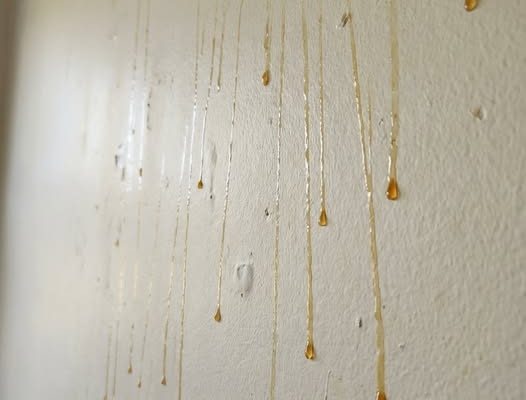

It often starts as a small, almost unnoticeable detail. You walk into your bathroom, glance at the walls, and suddenly something feels off. Thin yellow streaks appear to be forming, slowly trailing downward like silent drips.
At first, it may seem like a trick of the light. But as the marks become more visible, questions begin to surface. What is causing this? Is it something serious? Should you be concerned?
While the sight can feel unsettling, the explanation is usually far more practical than it appears. These stains are often the result of everyday environmental factors inside your home. However, they can also act as early warning signs that something needs attention.
Understanding what causes these yellow streaks can help you respond effectively and keep your living space clean, safe, and comfortable.

Why Bathrooms Are Prone to Unusual Stains
Bathrooms create a unique environment compared to other parts of the home. Warm showers, steam, and limited airflow combine to produce high levels of humidity.
When moisture lingers in the air, it eventually settles on walls and ceilings. Over time, this moisture can interact with dust, residues, and even paint itself, leading to visible marks.
This process is closely related to the scientific concept of condensation. When warm, humid air meets a cooler surface, tiny droplets form. These droplets can carry substances already present on the wall, causing streaks as they move downward.
In short, what you are seeing is often not something new, but something that has been there all along, now made visible by moisture.
Common Causes of Yellow Drips on Bathroom Walls
One of the most frequent causes is residue buildup. Over time, everyday products like soap, shampoo, and cleaning agents release tiny particles into the air. These particles settle on surfaces and remain there until moisture activates them.
Another possible cause is smoke residue. In homes where indoor smoking has occurred in the past, substances from smoke can cling to walls and ceilings. When humidity rises, these residues can dissolve slightly and begin to drip, creating yellowish streaks.
Paint quality can also play a role. Certain types of paint may react to moisture differently, especially if they are not designed for high-humidity areas like bathrooms. In some cases, compounds within the paint can slowly seep out when exposed to repeated condensation.
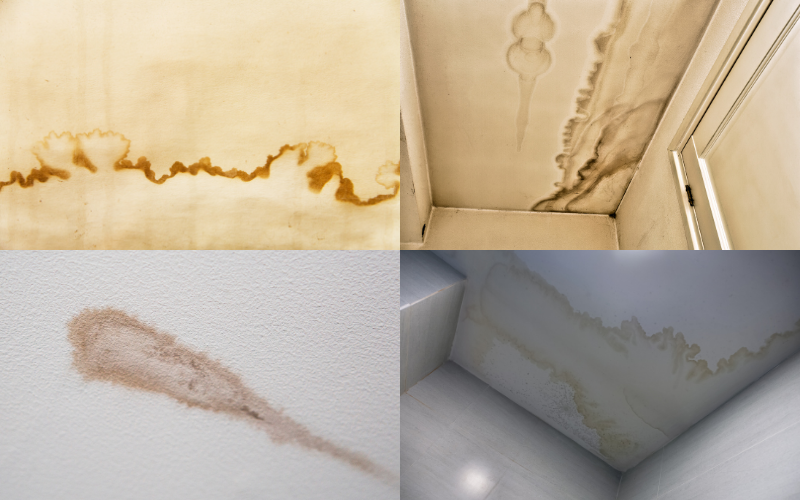
Early-stage mold may also be a factor. While not always visible in its typical form, it can sometimes appear as faint discoloration. Moist environments provide ideal conditions for growth, making bathrooms a common location for such issues.
Each of these causes may look similar at first glance, but they require different solutions. Identifying the source is key to resolving the problem effectively.
The Science Behind the Streaks
To understand why these stains appear as “drips,” it helps to look at how moisture behaves.
When condensation forms on a wall, gravity naturally pulls the water downward. As it moves, it collects particles from the surface. These particles mix with the water, creating visible trails.
Over time, repeated cycles of moisture and drying can intensify these streaks, making them more noticeable. This is why the marks may seem to appear suddenly, even though the underlying process has been happening gradually.
When Should You Be Concerned
In most cases, yellow streaks are not immediately harmful. However, they should not be ignored.
If the marks continue to reappear after cleaning, it may indicate a deeper issue such as persistent humidity or inadequate ventilation.
A musty odor or spreading discoloration could suggest the presence of mold. While not all discoloration is mold-related, it is important to monitor changes over time.
Walls that feel damp to the touch or show signs of peeling paint may also signal ongoing moisture problems that need to be addressed.
Paying attention to these signs early can prevent more complex issues later.
Simple Steps to Address the Problem
The first step is identifying the likely cause. A gentle cleaning solution can often remove surface residue. If the stains disappear easily and do not return quickly, the issue may have been minor buildup.
Improving ventilation is one of the most effective long-term solutions. Using an exhaust fan, opening windows, or allowing air to circulate can significantly reduce moisture levels.
Choosing moisture-resistant paint for bathrooms can also help prevent future staining. These paints are specifically designed to handle high humidity and reduce the likelihood of residue buildup.
Regular cleaning, even when no stains are visible, can prevent particles from accumulating in the first place.

Prevention: Keeping Your Bathroom Fresh and Clean
Prevention is always easier than repeated cleaning. Maintaining a dry environment is key.
After showers, allowing steam to escape can make a noticeable difference. Wiping down walls occasionally can also remove invisible residue before it becomes visible.
Keeping humidity levels under control not only prevents stains but also improves overall air quality in your home.
Small habits, when practiced consistently, can make a significant impact over time.
A Balanced Perspective on a Common Issue
Seeing yellow streaks on your bathroom walls can feel alarming at first. The visual effect is unusual enough to spark concern, especially if it appears suddenly.
But in most cases, the explanation lies in everyday household conditions rather than anything extreme. Moisture, residue, and time work together to create these marks.
Understanding this can replace worry with clarity and allow you to take practical steps toward a solution.
Conclusion: Curiosity Leads to Better Care
Moments like this highlight how easily small changes in our environment can capture our attention. A simple visual detail can lead to questions, concern, and ultimately a deeper understanding of how our homes function.
Human curiosity plays an important role in maintaining our surroundings. By noticing, questioning, and learning, we become better equipped to care for the spaces we live in.
What begins as a strange stain on a wall can become an opportunity to improve comfort, cleanliness, and peace of mind.
Sources
Environmental Protection Agency. Indoor air quality and moisture control guidelines.
Centers for Disease Control and Prevention. Mold and moisture in homes.
American Cleaning Institute. Household residue and cleaning practices.
Home maintenance experts and building science resources on condensation and ventilation.
