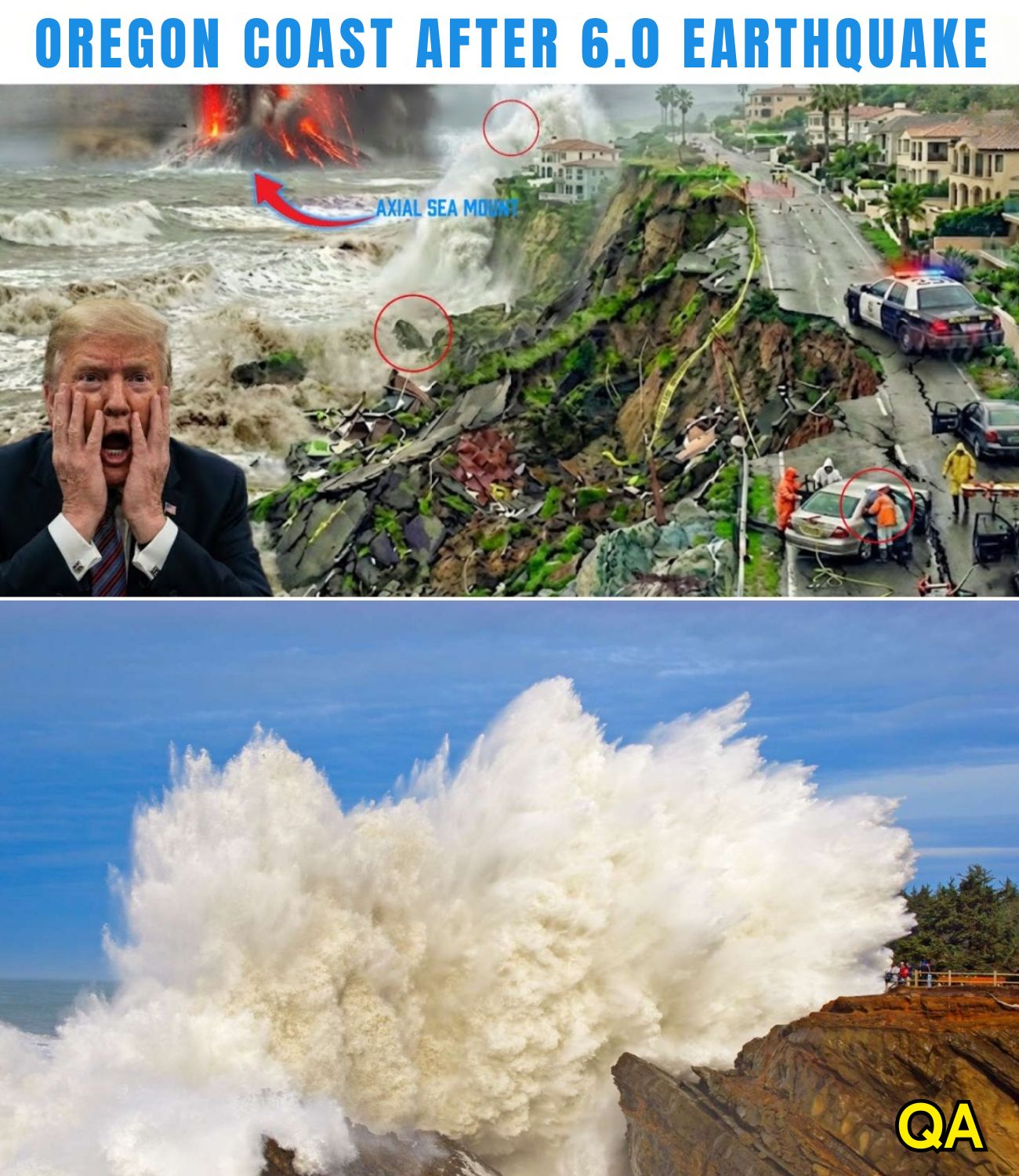

On a quiet morning along the Pacific Northwest, the ocean appears calm, almost timeless. Waves roll steadily onto the shore, seabirds circle overhead, and coastal towns move at their usual pace. It is the kind of scene that feels predictable, even reassuring.
Then, a headline appears online.
It describes a sudden shift from calm to chaos. A powerful offshore earthquake. Waves crashing with unusual force. An underwater volcano “stirring.” Scientists watching closely. Communities reacting with concern.
Stories like this spread quickly, especially when they combine real scientific elements with dramatic language. But how much of it reflects reality, and how much is interpretation?
To understand the truth, we need to explore three key elements often mentioned together: offshore earthquakes, ocean behavior, and underwater volcanic activity near the Oregon coast. When viewed through a scientific lens, these phenomena tell a story that is both fascinating and far more measured than viral narratives suggest.
The Geology Beneath the Oregon Coast
A Region Shaped by Tectonic Forces
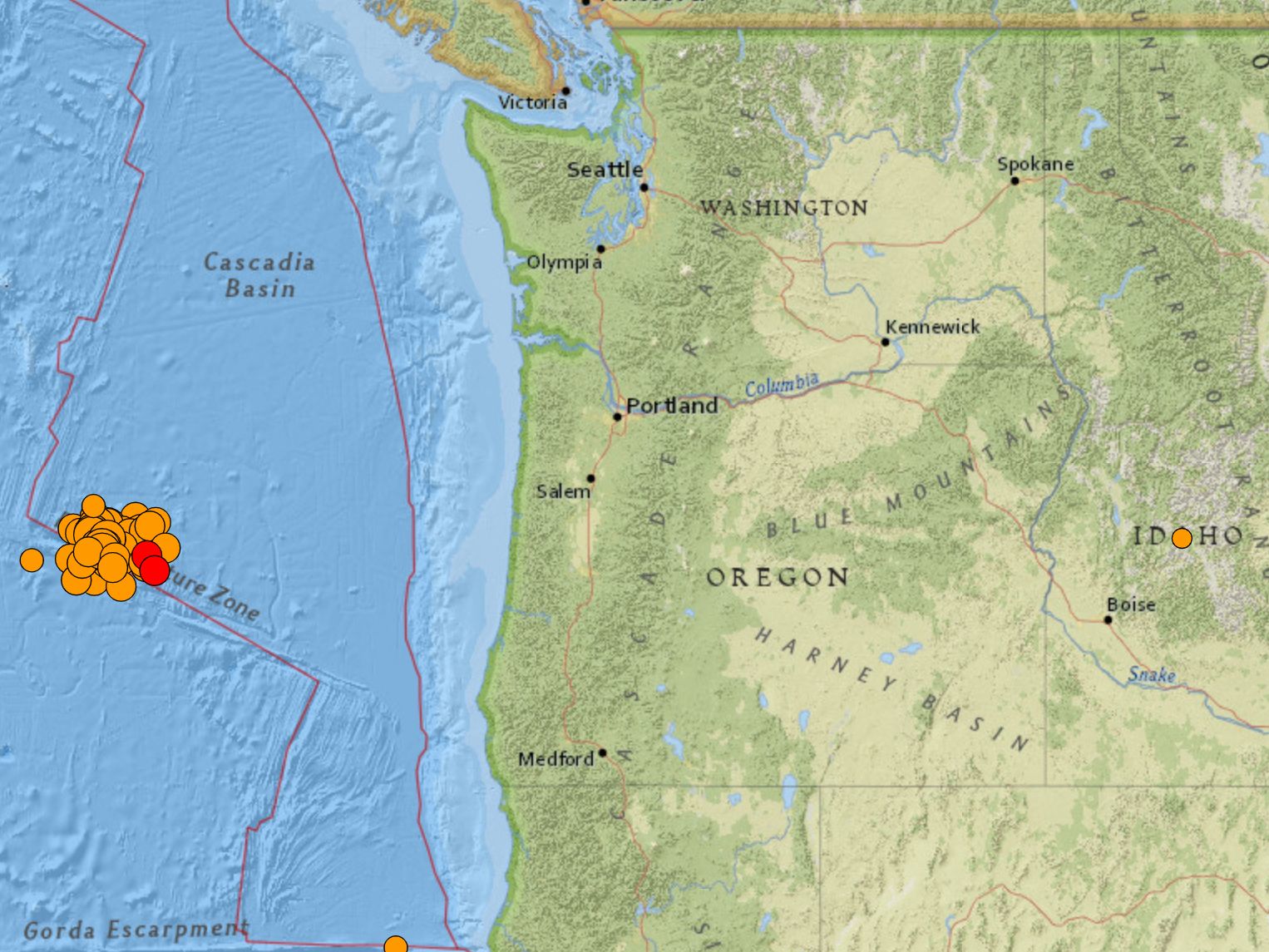
The Pacific Northwest sits along one of the most geologically active regions in North America. Just offshore lies the Juan de Fuca Ridge, a mid-ocean ridge where tectonic plates are slowly moving apart.
This movement creates frequent seismic activity. Small to moderate earthquakes occur regularly beneath the ocean floor. Most of them go unnoticed by people on land because they happen far offshore and at significant depths.
Monitoring agencies like the USGS track these events continuously. Their data shows that earthquakes in the magnitude 5.0 to 6.0 range are not unusual in this region.
What a Magnitude 6.0 Earthquake Means
A magnitude 6.0 earthquake may sound significant, but context matters. When such an event occurs far offshore, its effects are often limited.
In most cases:
- It does not cause structural damage on land
- It is rarely felt by coastal residents
- It does not generate large ocean disturbances
This is why scientists evaluate earthquakes not only by their magnitude but also by their location and depth.
Ocean Waves: Nature’s Constant Motion
Why Waves Sometimes Appear Stronger
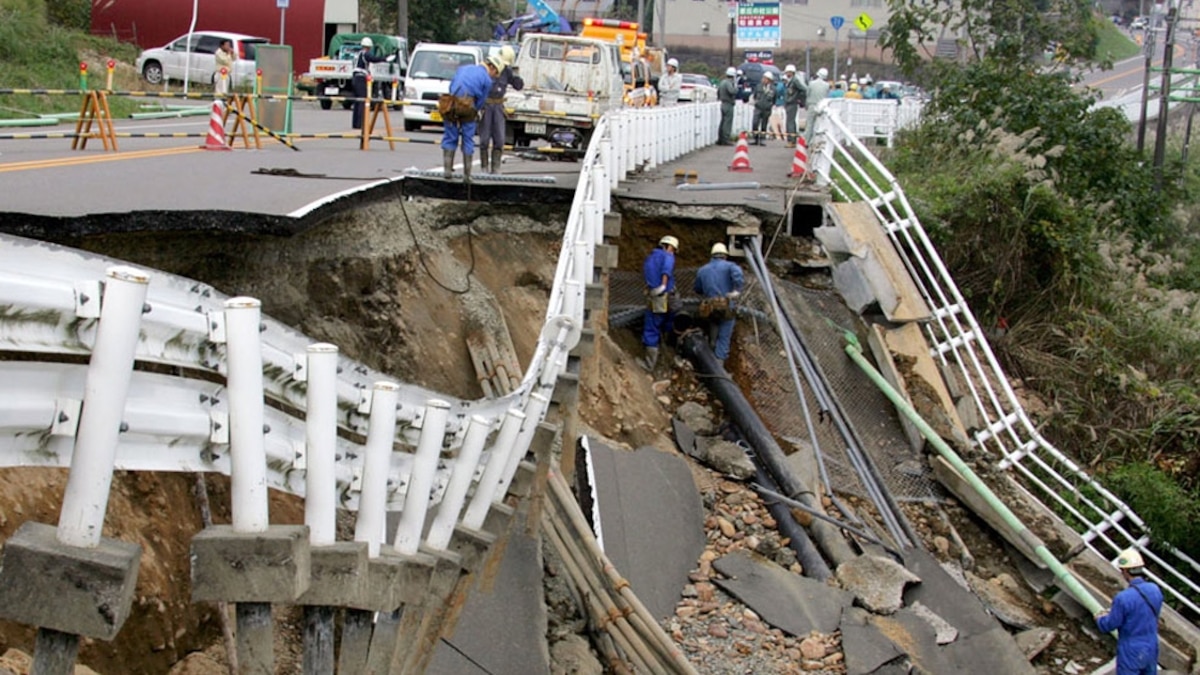
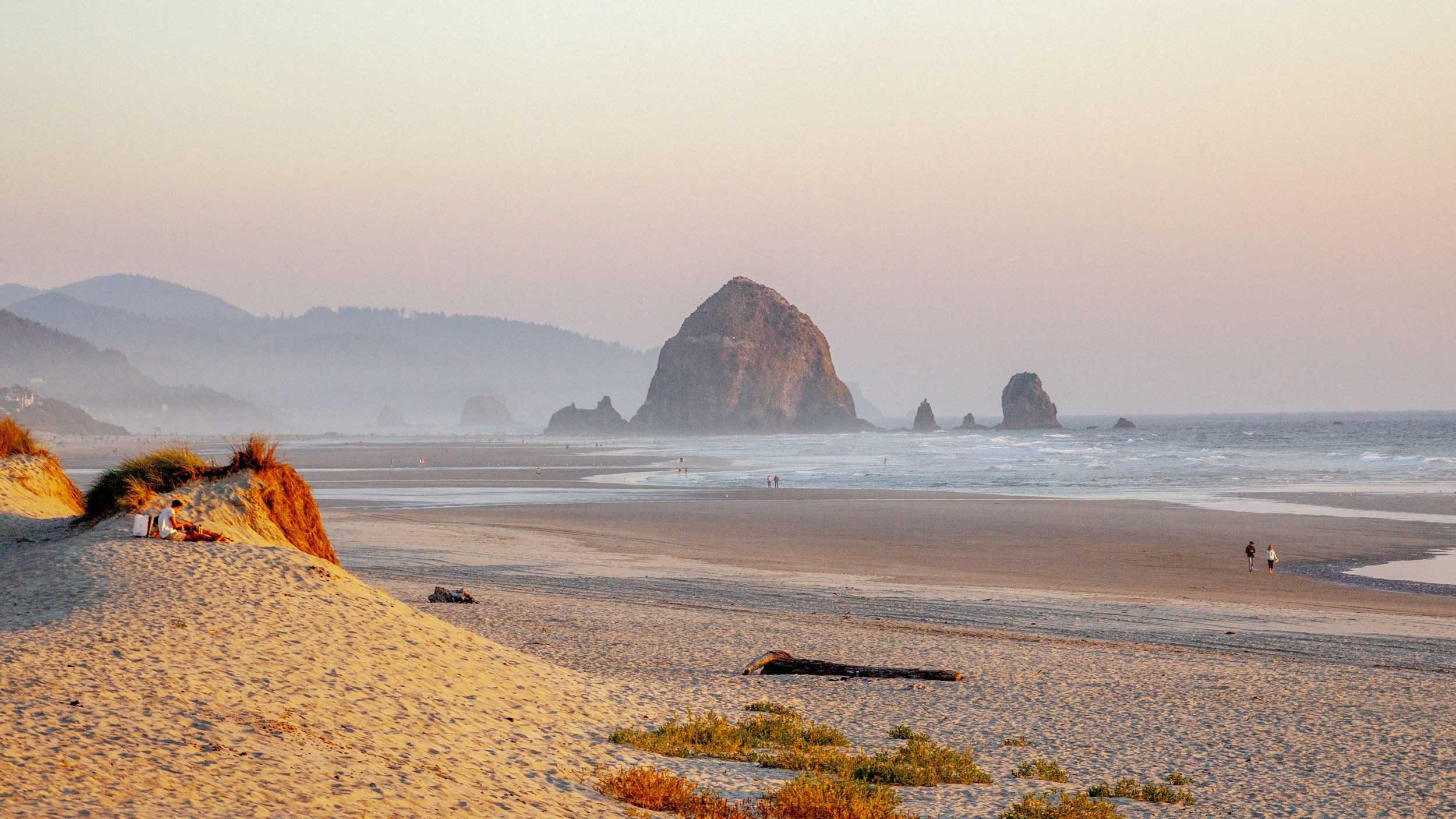
The Oregon coast is known for its dynamic ocean conditions. Seasonal storms, wind patterns, and underwater topography all influence wave behavior.
During certain times of the year, especially in winter, waves can become larger and more powerful. These are natural variations that occur regardless of seismic activity.
In addition, a phenomenon known as “sneaker waves” can create the impression of sudden, unexpected surges. These waves can appear stronger than surrounding ones, catching observers off guard.
Separating Perception from Cause
It is easy to connect strong waves with recent seismic events, especially when both occur around the same time. However, scientific evidence shows that most coastal wave activity is driven by atmospheric conditions rather than distant earthquakes.
In other words, the ocean may look dramatic, but that does not necessarily mean something unusual is happening beneath the surface.
The Role of Axial Seamount
A Unique Underwater Volcano
Far off the Oregon coast lies Axial Seamount, one of the most studied underwater volcanoes in the world.
Located along the Juan de Fuca Ridge, Axial Seamount is an active volcanic system. It has experienced eruptions in the past, including notable events in 1998, 2011, and 2015.
What makes Axial Seamount special is the level of monitoring it receives. Scientists use advanced instruments to track changes in pressure, temperature, and seismic activity in real time.
What “Stirring” Really Means
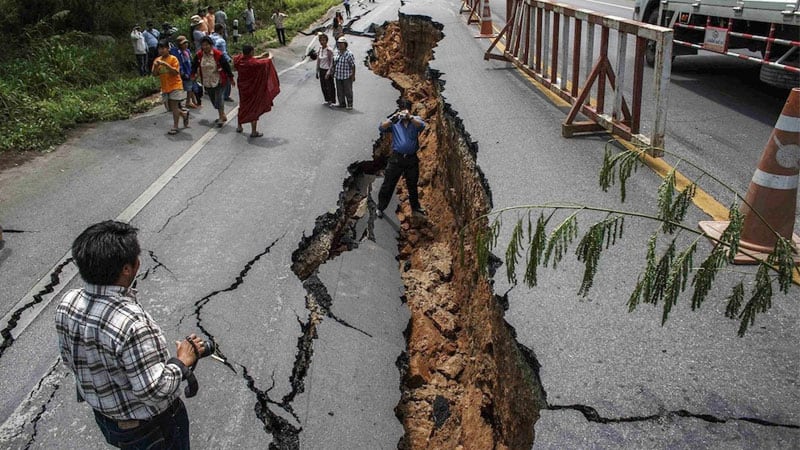
When reports say that a volcano is “stirring,” it often refers to minor increases in seismic signals or subtle changes in the structure of the seafloor.
These changes are important for researchers, but they do not indicate immediate danger to coastal communities.
In fact, past activity at Axial Seamount has not led to significant impacts on the Oregon coastline. Its eruptions occur deep underwater, where energy is dispersed before reaching the surface.
The Science of Linking Events
Why These Phenomena Are Often Combined
Offshore earthquakes, strong waves, and volcanic activity are all real. However, they are not always directly connected.
Viral stories sometimes combine them into a single narrative because:
- They occur in the same general region
- They involve dramatic natural processes
- They are easier to understand as a unified story
This approach can create the impression of a larger, coordinated event, even when the individual elements are unrelated.
What Research Shows
Scientific studies emphasize that:
- Most offshore earthquakes do not influence surface waves significantly
- Ocean wave patterns are primarily driven by wind and weather
- Underwater volcanic activity is usually isolated from coastal conditions
Understanding these distinctions helps clarify why dramatic interpretations may not align with observed data.
A Historical Perspective
The Cascadia Subduction Zone
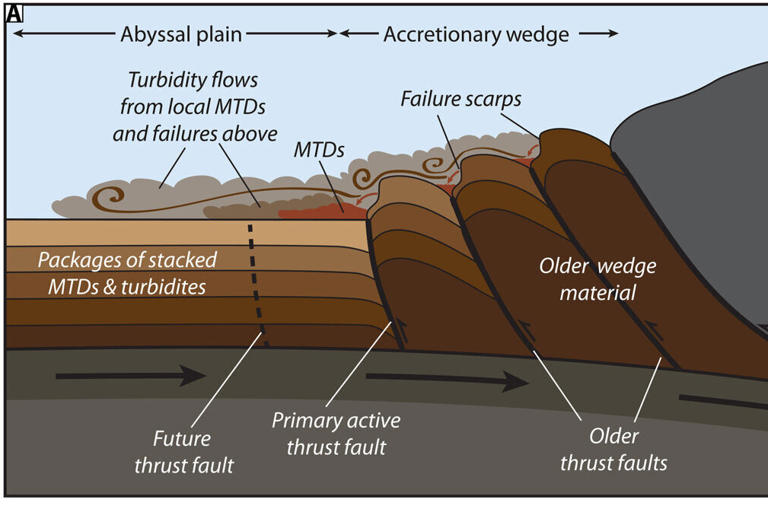
While most modern events are moderate, the region is capable of larger geological activity. One example is the Cascadia Subduction Zone earthquake.
This event, estimated to have occurred in the year 1700, is believed to have been a major seismic event that affected the Pacific Northwest.
Evidence suggests it generated ocean disturbances that were observed across the Pacific. However, such events are rare and occur over long geological timescales.
What This Means Today
Modern monitoring systems provide far more information than was available centuries ago. Scientists can now detect changes early and study patterns with greater accuracy.
This allows for better understanding and preparation without relying on speculation.
The Influence of Language in Modern Media
How Words Shape Perception
Phrases like “chaos,” “panic,” or “furious waters” can make a story more engaging, but they also shape how readers interpret events.
In reality, scientific observations are often described in measured terms. Researchers focus on data, probabilities, and trends rather than dramatic conclusions.
The Balance Between Engagement and Accuracy
Effective communication should capture attention while remaining grounded in evidence. This balance is especially important when discussing natural phenomena that can be misunderstood.
By focusing on verified information, readers can gain a clearer understanding of what is happening and why.
What Experts Recommend
Staying Informed Through Reliable Sources
Organizations such as the USGS and other scientific institutions provide regular updates on seismic activity and ocean conditions.
These sources are designed to present information clearly and accurately, without exaggeration.
Understanding Natural Variability
Nature is dynamic. Oceans shift, tectonic plates move, and volcanic systems evolve over time. These processes are part of the Earth’s normal behavior.
Recognizing this helps reduce unnecessary concern while still encouraging awareness and preparedness.
Looking Ahead: Monitoring and Discovery
Advances in Technology
Modern tools allow scientists to monitor underwater environments with remarkable precision. Sensors placed on the ocean floor can detect even subtle changes.
This ongoing research contributes to a deeper understanding of how Earth’s systems interact.
The Value of Continued Observation
Each new observation adds to a growing body of knowledge. Over time, patterns become clearer, and predictions become more accurate.
This process reflects the steady progress of science, built on careful study rather than sudden conclusions.
Conclusion: Curiosity Meets Caution
The story of offshore earthquakes, ocean waves, and underwater volcanoes near the Oregon coast is not one of sudden chaos. It is a story of constant motion, gradual change, and ongoing discovery.
While dramatic narratives can capture attention, the reality is both more stable and more fascinating. It reveals a world shaped by natural processes that operate on timescales far beyond daily headlines.
At its core, this topic reminds us of something important. Human curiosity drives us to seek explanations, connect patterns, and tell stories about the world around us.
When curiosity is paired with careful observation, it leads to understanding. And in that understanding, we find not fear, but a deeper appreciation for the complexity and beauty of our planet.
Sources
United States Geological Survey
National Oceanic and Atmospheric Administration
Oregon State University Marine Geology Program
Peer-reviewed research on the Juan de Fuca Ridge and Axial Seamount
Historical studies of the Cascadia Subduction Zone
