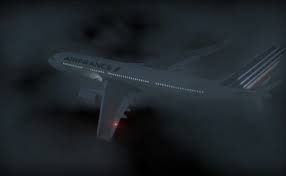

The crash of Air France Flight 447 crash remains one of the most significant aviation incidents of the 21st century. Based on official investigations and reports, the event highlights the challenges of deep-sea recovery, aircraft system reliability, and pilot response under complex conditions.
Overview of the Incident
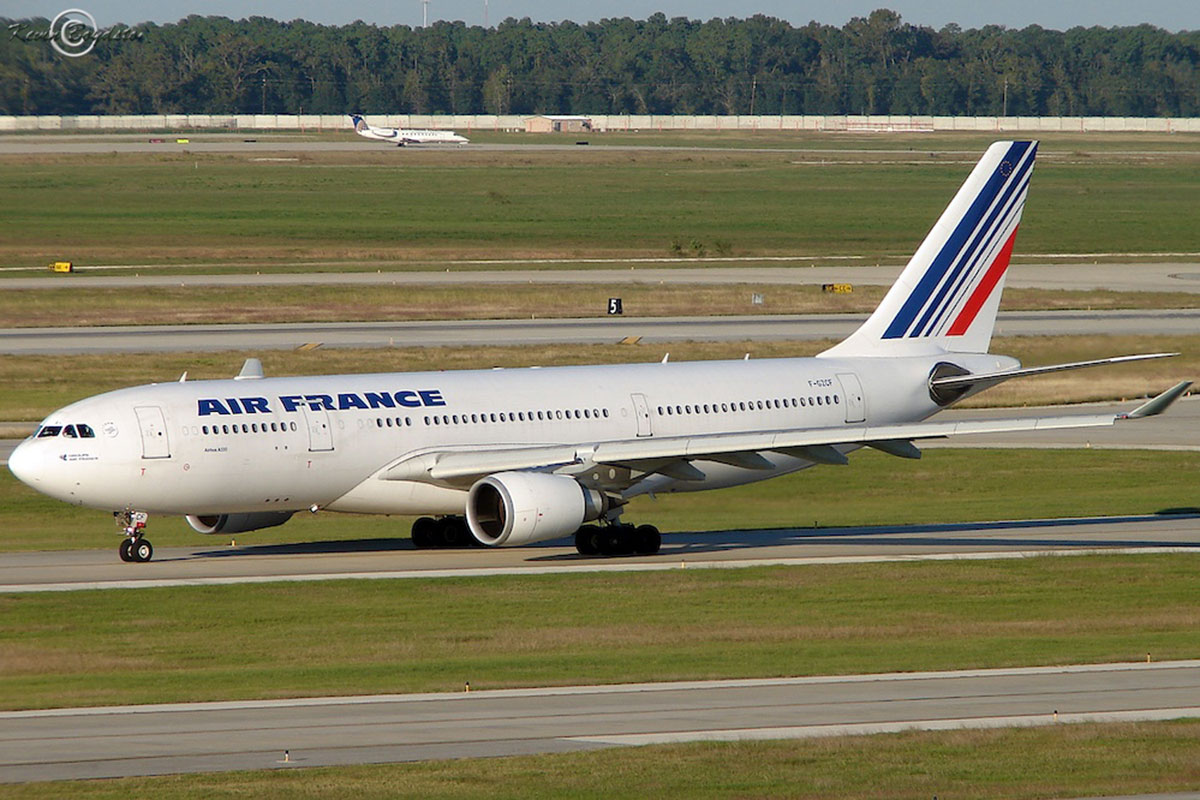
On June 1, 2009, Air France Flight 447 was traveling from Rio de Janeiro, Brazil, to Paris, France, when it disappeared over the Atlantic Ocean. The aircraft involved was an Airbus A330 carrying 228 people, including passengers and crew.
According to official aviation authorities, the aircraft lost contact with air traffic control during a stormy weather zone over the ocean. Automatic messages transmitted by the aircraft indicated multiple system anomalies before communication ceased.
Initial Search Efforts
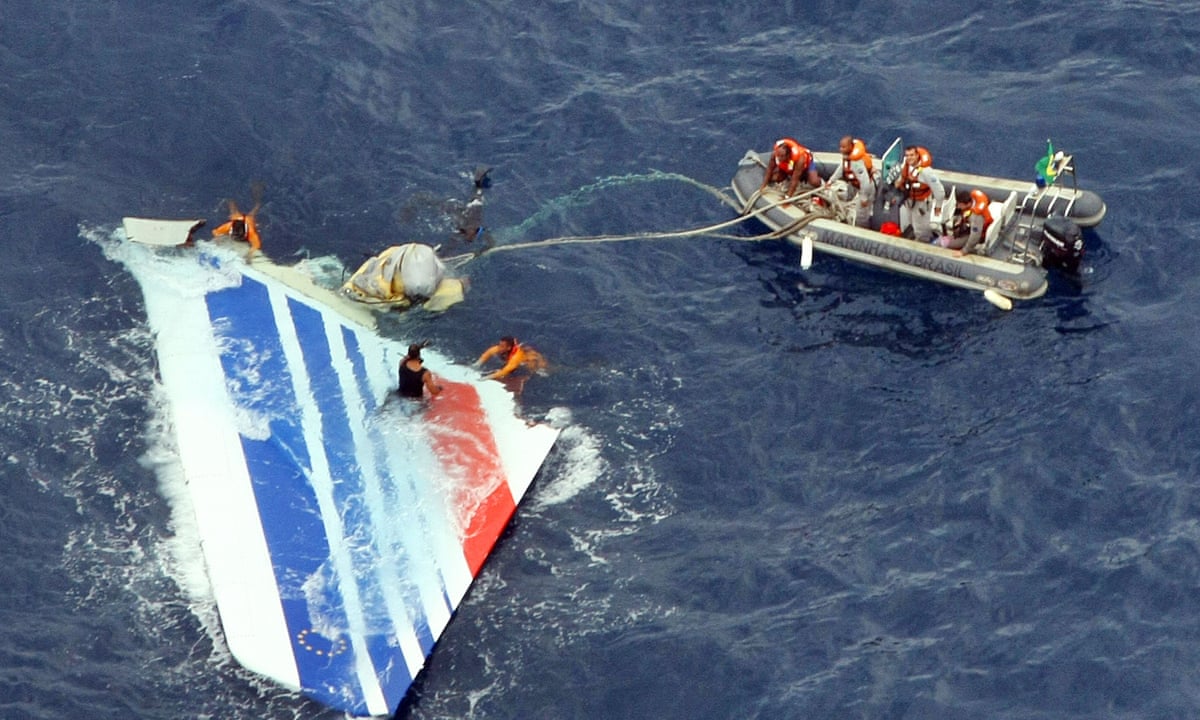
Following the disappearance, a large-scale international search operation was launched. Early efforts focused on locating floating debris and identifying the aircraft’s last known position.
Within days:
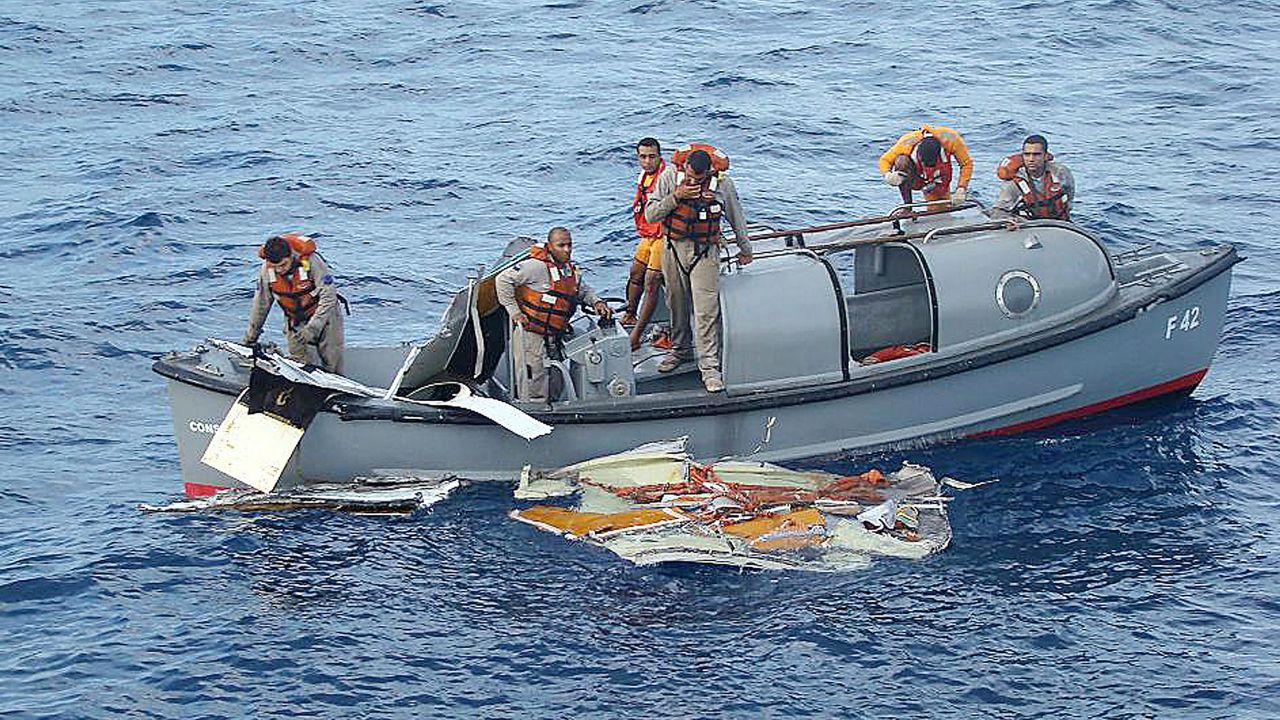
- Wreckage fragments were discovered on the ocean surface
- Some personal belongings and aircraft أجزاء were recovered
- The general crash zone was narrowed down
However, locating the main wreckage proved far more difficult due to environmental conditions and ocean depth.
Challenges of Deep-Sea Recovery
The search for the aircraft’s main fuselage and flight recorders was complicated by the extreme conditions of the deep ocean.
Key challenges included:
- Depth: Approximately 4,000 meters below the surface
- Pressure: Intense underwater pressure that limits equipment capability
- Terrain: Uneven seabed with underwater mountains and debris fields
- Search area size: A vast and remote section of the Atlantic
These factors made traditional search methods insufficient. Specialized equipment, including autonomous underwater vehicles (AUVs) and remotely operated vehicles (ROVs), were required.
Two-Year Search Timeline
Despite multiple search phases, the main wreckage was not located immediately. It took nearly two years, until 2011, for investigators to successfully identify the aircraft’s location on the ocean floor.
The breakthrough came when advanced deep-sea exploration technology was deployed, allowing teams to scan the seabed with high precision.
Once located:
- The wreckage was found relatively intact
- Flight data recorders (black boxes) were recovered
- Investigators gained access to critical flight information
This marked a turning point in understanding the accident.
Official Investigation Findings
The official investigation was conducted by Bureau d’Enquêtes et d’Analyses (BEA), France’s aviation safety authority.
According to the final report:
Primary Factors Identified
- Pitot Tube Icing
The aircraft’s airspeed sensors (pitot tubes) were temporarily obstructed by ice crystals while flying through high-altitude storm conditions. This resulted in inconsistent speed readings. - Autopilot Disengagement
Due to unreliable data, the autopilot system disconnected, requiring manual control by the pilots. - Pilot Response and Control Inputs
The aircraft entered an aerodynamic stall. Investigators found that pilot inputs did not successfully recover the aircraft from this condition. - Lack of Clear Situational Awareness
Conflicting instrument readings and high workload contributed to difficulty in diagnosing the situation in real time.
What Is an Aerodynamic Stall?
An aerodynamic stall occurs when an aircraft’s wings lose the ability to generate sufficient lift. This can happen if the angle of attack becomes too steep.
In the case of Flight 447:
- The aircraft climbed instead of stabilizing
- Airspeed data inconsistencies complicated pilot decisions
- Recovery actions were not effectively executed
The BEA report emphasized that the stall condition persisted until impact.

Importance of the Black Boxes
The recovery of the flight data recorder (FDR) and cockpit voice recorder (CVR) was critical in reconstructing the sequence of events.
These devices provided:
- Detailed flight parameters
- Pilot communications
- System performance data
Without this information, determining the cause of the crash would have remained extremely difficult.
Impact on Aviation Safety
The findings from the Air France Flight 447 crash led to several important changes in aviation practices.
Key Improvements
- Upgraded pitot tubes to reduce risk of icing
- Enhanced pilot training for high-altitude stall recovery
- Improved procedures for handling unreliable airspeed data
- Greater emphasis on manual flying skills
These changes were adopted by airlines and aviation authorities worldwide.
Lessons from Deep-Ocean Searches
The two-year effort to locate the wreckage demonstrated both the limitations and progress of underwater search technology.
Key takeaways include:
- Deep-sea searches require advanced mapping tools
- Precise location data is critical for success
- Long-term persistence is often necessary
The operation contributed to improved methodologies used in later maritime and aviation investigations.
Conclusion
The crash of Air France Flight 447 is a well-documented case that underscores the complexity of aviation safety and accident investigation.
Verified facts confirm that:
- The aircraft crashed into the Atlantic Ocean in 2009
- All 228 people on board were lost
- The wreckage was located nearly two years later at a depth of about 4,000 meters
- Official investigations identified a combination of technical and human factors
Today, the lessons learned from this tragedy continue to shape global aviation standards, helping to improve safety and prevent similar incidents in the future.
