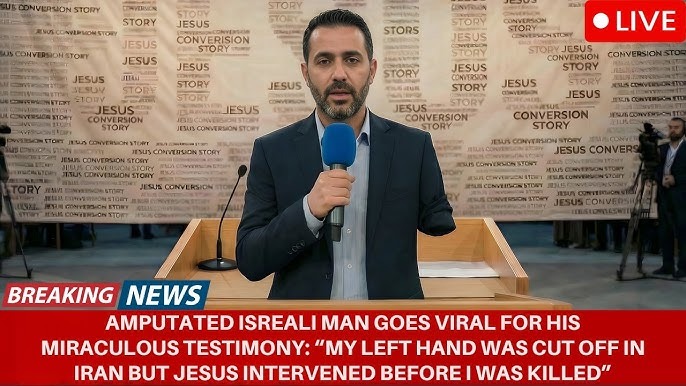

A dramatic story circulating widely online tells of an Israeli man who claims he was detained in Iran, severely injured, and ultimately survived due to his faith in Jesus Christ. The testimony has gone viral across social media platforms, drawing strong reactions from audiences around the world.
However, despite its emotional impact, many of the claims within the story remain unverified. No major international news organizations or official sources have confirmed the key events described. As a result, the account should be approached as a personal testimony rather than a confirmed factual report.
At the center of the narrative is a man identifying himself as Daniel Bruner, who shares a story that blends themes of identity, religion, international travel, and survival under extreme circumstances.

A Life Between Cultures
According to the testimony, Bruner describes himself as having a multicultural background, with ties to both Israel and Europe. He claims to have spent part of his life in Israel and part in Switzerland, growing up with exposure to different languages and cultural influences.
This kind of dual identity is not uncommon in a globalized world. Individuals with international family ties often navigate multiple cultures, which can shape their worldview and opportunities. Switzerland, in particular, is known for its diplomatic neutrality and strong international relationships, which can make it easier for its citizens to travel to regions where access might otherwise be restricted.
Bruner’s account suggests that this dual background later played a role in enabling his travel to parts of the Middle East that are often considered difficult or sensitive for foreign visitors.
Religious Conversion and Personal Belief
A major turning point in the narrative is Bruner’s claimed conversion to Christianity during his time in Europe. He describes attending a church in Zurich, where he encountered teachings about Jesus that deeply affected him.
Religious conversion stories are common across many traditions and often involve a sense of personal transformation. For many individuals, faith becomes a source of meaning, identity, and direction in life.
In Bruner’s account, this transformation leads him to develop a strong commitment to helping Christian communities in regions where they may face social or legal challenges. While such humanitarian or faith-based missions do exist, they are typically conducted through established organizations and are subject to strict legal and safety considerations.

Travel to Conflict-Affected Regions
The story goes on to describe travel to countries including Iraq, Syria, and Iran. These regions have experienced periods of instability, and travel there often involves significant risks.
Governments around the world regularly issue travel advisories warning citizens about potential dangers in such areas, including political tensions, security concerns, and legal restrictions. In some cases, foreign nationals have been detained or faced legal challenges due to misunderstandings, visa violations, or political sensitivities.
While humanitarian and religious outreach efforts do occur in these regions, they are usually carefully coordinated and monitored. Independent travel for sensitive purposes can be particularly risky and is generally discouraged by official authorities.
Claims of Detention and Injury
One of the most dramatic aspects of Bruner’s story is his claim that he was detained in Iran and subjected to severe punishment, including the loss of his hand.
These allegations are serious and, if true, would likely attract international attention. However, there is currently no confirmed evidence from reputable sources to support these claims. No official statements, human rights reports, or major news coverage have verified the events described.
It is important to note that while cases of detention involving foreign nationals do occur, they are typically documented and reported by governments, international organizations, or media outlets. Extraordinary claims—especially those involving extreme physical harm—require strong, credible evidence.
Without such verification, this part of the narrative should be treated with caution.
The Role of Faith in Crisis Narratives
A central theme of the testimony is the idea that faith played a key role in survival. Bruner attributes his endurance and recovery to his belief in Jesus Christ, describing it as a life-changing and defining experience.
Stories that link survival to faith are found across many cultures and religions. They often reflect deeply personal interpretations of events, shaped by an individual’s beliefs and worldview.
For some people, faith provides emotional resilience during difficult times, helping them cope with fear, trauma, or uncertainty. However, such experiences are subjective and cannot be independently verified in the same way as physical or historical events.
It is important to respect personal beliefs while also recognizing the difference between individual perception and objective fact.
Viral Spread and the Power of Emotional Storytelling
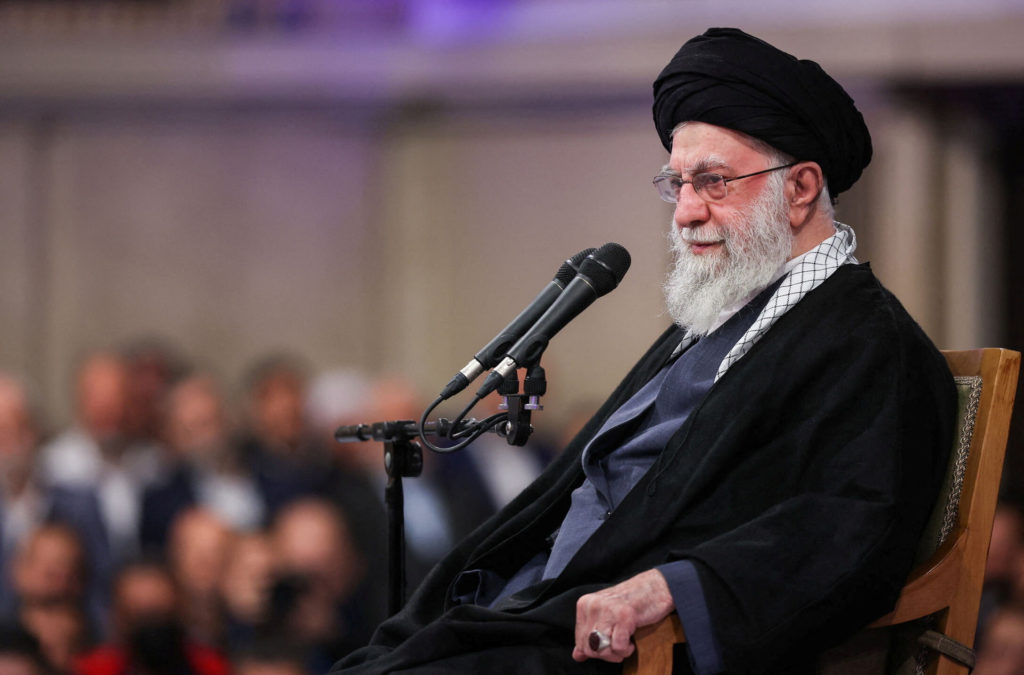
The rapid spread of this story highlights the influence of social media in shaping public perception. Content that is emotionally intense or spiritually uplifting often gains traction quickly, especially when it involves themes of survival, injustice, or divine intervention.
However, viral popularity does not equate to accuracy. In many cases, stories are shared widely before they are fact-checked, leading to the spread of misinformation or exaggerated claims.
Algorithms on social platforms tend to prioritize engagement, meaning that dramatic narratives are more likely to be promoted—even if their factual basis is unclear.
The Importance of Verification
In today’s digital landscape, verifying information is more important than ever. Reliable information typically comes from:
- Established international news organizations
- Official government announcements
- Recognized human rights groups
- Academic and research institutions
When a story lacks confirmation from these types of sources, it should be treated as unverified. This does not necessarily mean the story is false, but it does mean that its accuracy cannot be confirmed.
Readers should be cautious about sharing such content without proper context, as doing so can contribute to the spread of misinformation.

Broader Context: Religion, Politics, and Sensitivity
Stories that involve religion and geopolitics require careful handling. The Middle East is a region with complex historical, cultural, and political dynamics. Discussions about faith—whether related to Islam, Christianity, or other beliefs—can be deeply sensitive.
Unverified claims that portray specific countries or groups in extreme ways can contribute to misunderstanding or bias. Responsible reporting focuses on verified facts and avoids generalizations.
It is also important to recognize that individuals within any country or religion can have diverse perspectives and experiences. No single story can represent an entire population.
Why Stories Like This Resonate
Despite the lack of verification, stories like Bruner’s often resonate strongly with audiences. This is because they tap into universal themes:
- Survival against the odds
- Personal transformation
- The search for meaning
- The role of faith in difficult times
These themes are powerful and relatable, which helps explain why such narratives spread quickly and widely.
However, emotional impact should not replace critical thinking. Readers can appreciate the storytelling aspect while still questioning the factual basis.
Questions That Remain
The viral testimony raises several important questions:
- Is there independent evidence supporting the events described?
- Have any official investigations or reports addressed the claims?
- Are there inconsistencies in the timeline or details?
- How should personal faith experiences be interpreted in a factual context?
These questions highlight the need for careful evaluation and responsible consumption of information.
Conclusion
The story of an Israeli man claiming survival and transformation through faith has captured global attention, but it remains unverified. While it may hold personal meaning for those who believe it, it should not be treated as confirmed fact without credible evidence.
In an age where information spreads rapidly, the ability to distinguish between verified reporting and personal testimony is essential. By approaching such stories with both openness and critical thinking, readers can better navigate the complex landscape of modern media.
Ultimately, stories like this remind us of two important truths: the power of narrative to inspire—and the responsibility to seek the truth behind it.
