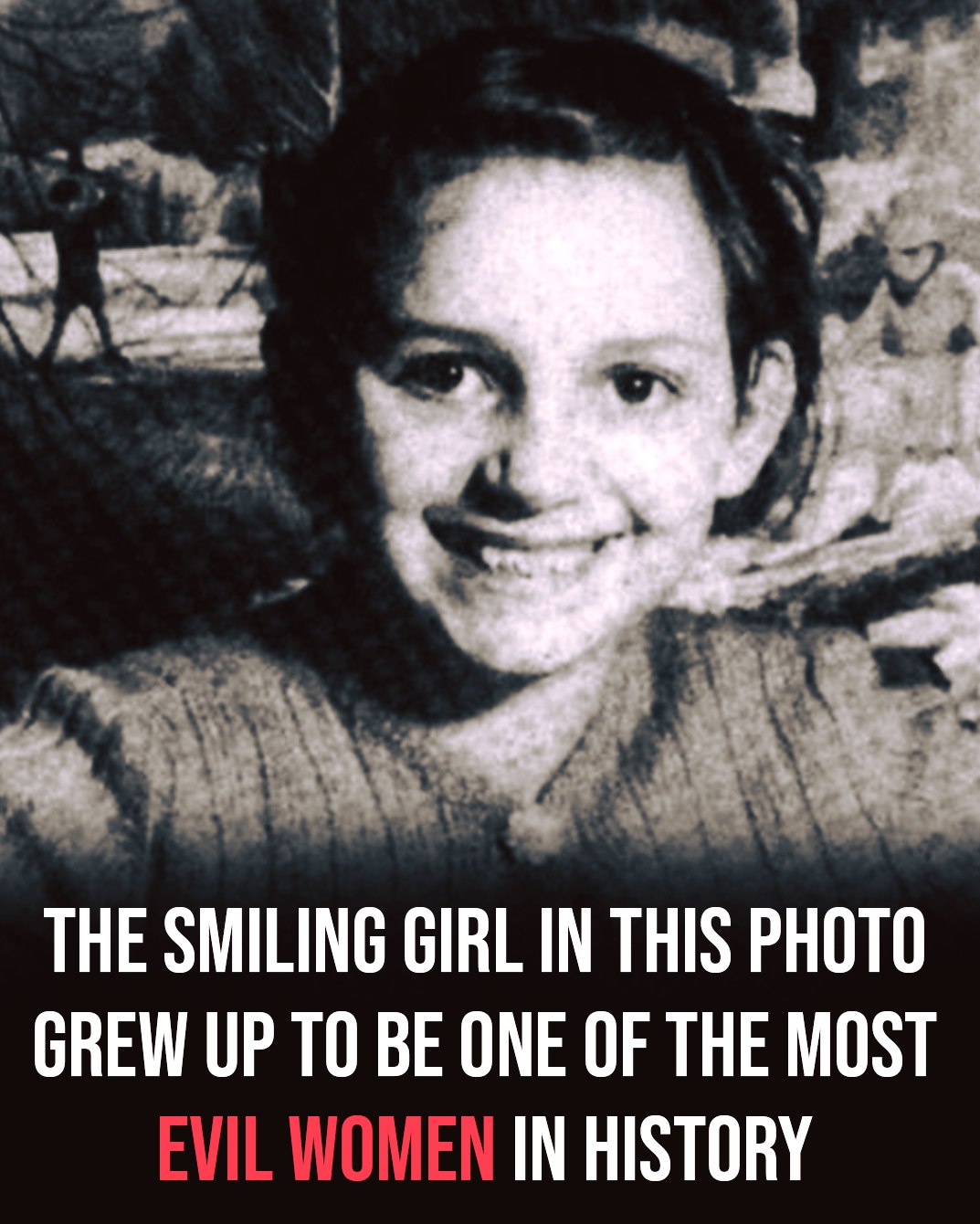

Few criminal cases in British history have left as deep and lasting a scar on public consciousness as the story of Fred and Rose West. For over two decades, the couple carried out a series of violent crimes against some of the most vulnerable people imaginable — including members of their own family — while maintaining the outward appearance of an ordinary household in Gloucester, England.
This is the story of Rosemary West: how she came to be, what shaped her, and how one of the most disturbing criminal partnerships in modern history finally came to light.
A Childhood Far From Ordinary
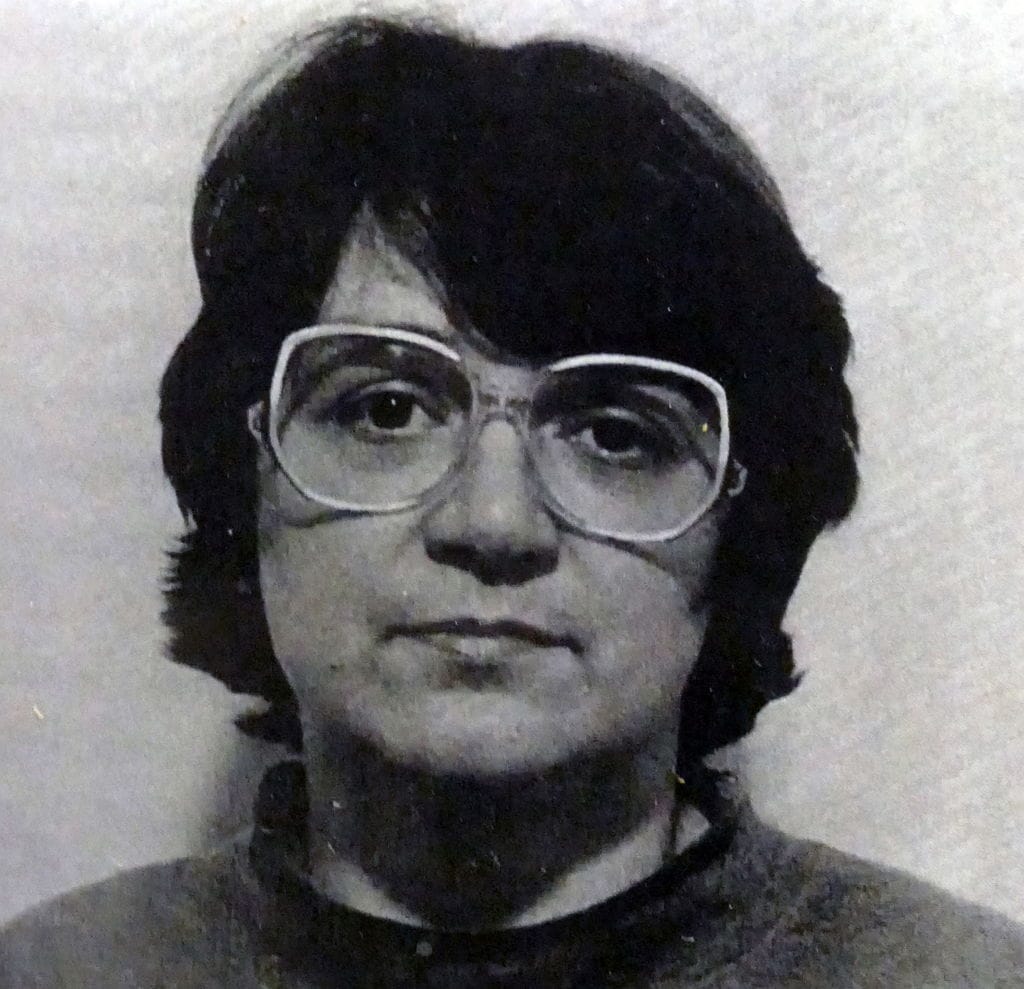
Rosemary Letts was born in North Devon in 1953, the fifth of seven children. From the outside, the Letts family appeared unremarkable — her father Bill had served in the Royal Navy and was considered polite and presentable, while her mother Daisy was described by neighbors as quiet and gentle.
But the reality inside the family home was far more complicated.
Before Rosemary was even born, her mother Daisy was hospitalized for severe depression and underwent electroconvulsive therapy (ECT) — a medical treatment involving electrical stimulation of the brain, used at the time to treat serious psychiatric conditions. Remarkably, this treatment continued while Daisy was pregnant with Rosemary, right up until days before the birth.
Whether this had any measurable effect on Rosemary’s early development is impossible to know with certainty, but from her earliest days, those around her noticed unusual behaviors. As an infant, she would rock her head for hours at a time. Her siblings complained that she would bang her head rhythmically against her cot through the night. As she grew older, she would fall into long, trance-like states, swaying back and forth as if lost somewhere no one else could reach.
Her father, Bill, also reportedly struggled with his own mental health challenges, including what has been described as paranoid behavior. Authors who have studied the case in depth have alleged that Rosemary experienced serious abuse within the home during her childhood — a background that, while it explains nothing and excuses nothing, forms part of the deeply troubling context of her early life.
By the time Rosemary was a teenager, she had grown up in an environment marked by instability, fear, and trauma that she had no framework to understand or escape.
A Fateful Meeting
At just 15 years old, Rosemary met the man who would define — and destroy — the rest of her life. Fred West was 27 years old at the time, already divorced, and already a father. The two met at a bus stop, and their relationship quickly became romantic.
Fred West had his own deeply troubled history. He had reportedly experienced serious trauma and multiple head injuries during his youth, and by his teenage years had already been involved in criminal behavior. He was manipulative, controlling, and significantly older than the young girl he had taken an interest in — a power imbalance that would define their relationship from the very beginning.
Rosemary became the nanny to Fred’s daughters from his previous relationship. By the early 1970s, the couple married, and whatever boundaries had existed between them began to erode entirely.
Crimes Behind Closed Doors
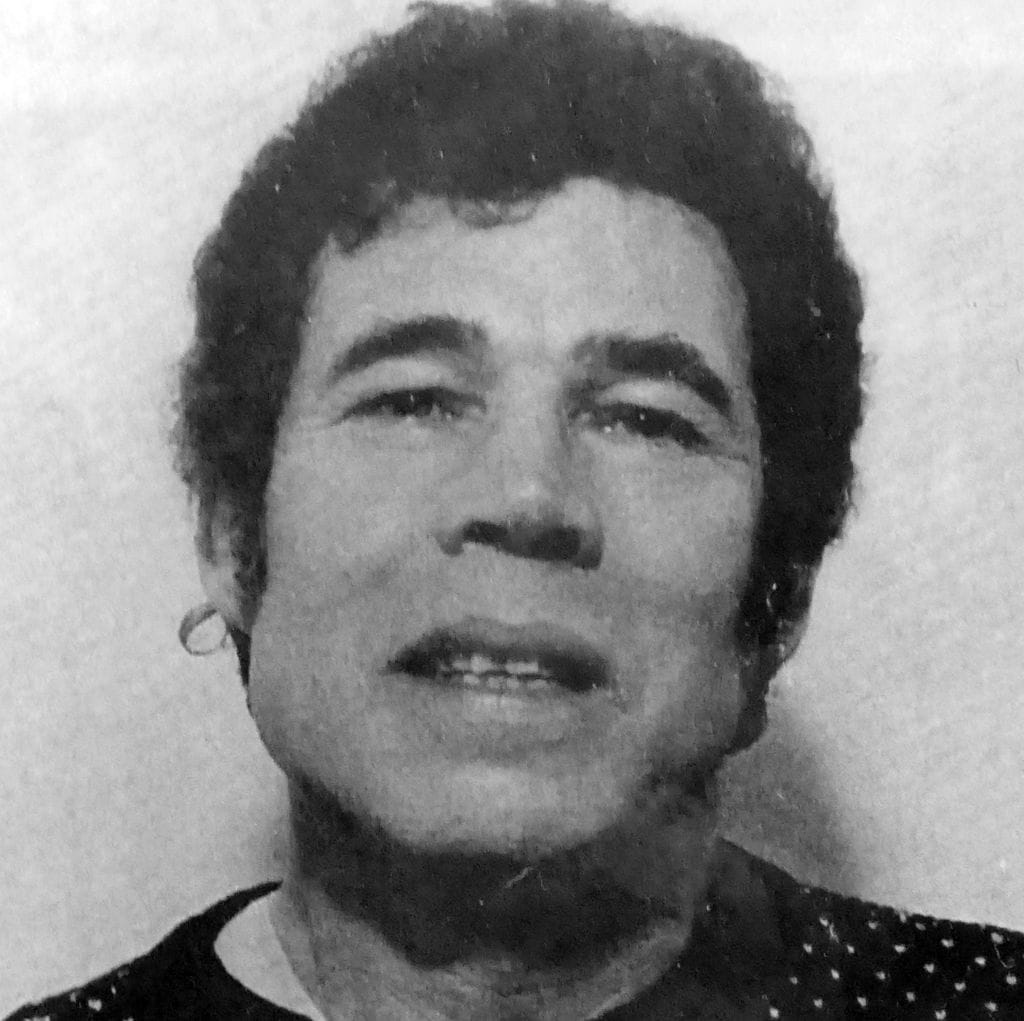
The full scope of what Fred and Rosemary West did over the course of more than two decades is something that investigators, journalists, and criminal psychologists have spent years trying to comprehend.
Their first child together was born in 1970. But the presence of children in the home did not create a protective or nurturing environment — instead, the household at 25 Cromwell Street in Gloucester became the setting for a prolonged campaign of abuse and violence that targeted both people brought into the home from outside and members of the family itself.
From 1973 onward, the couple began targeting young women — often those who were vulnerable, isolated, or in need of work — luring them to their home under the pretense of offering employment as childcare helpers. What happened to those women was discovered only years later.
Meanwhile, hospital records would eventually reveal that the Wests’ nine children were admitted for injuries on 31 separate occasions between 1972 and 1992. Despite this alarming pattern, social services were never formally alerted during those years.
The last known act of violence within the family was directed at their own daughter Heather in 1987. She had reportedly confided in a friend about conditions inside the home and had been trying to find a way to leave. She was 16 years old.
The Investigation Begins
The case that would eventually expose the Wests began not with a formal police investigation but with a single anonymous tip. Heather had spoken to a friend, and word eventually reached authorities.
When investigators began interviewing the children, they found consistent accounts that painted a deeply disturbing picture of life inside the Cromwell Street house. Medical professionals confirmed a history of physical harm. And there was a chilling detail buried in Gloucester police records — a long-running comment made by family members that a missing daughter could be found “under the patio.”
Initial charges were dropped, but one determined detective refused to let the matter rest. Eventually, a search warrant was obtained allowing police to excavate the property at 25 Cromwell Street. What they found there confirmed the worst of what had been alleged — and more.
Heather’s remains were recovered. Fred West eventually confessed to multiple killings. Rosemary West was arrested on April 20, 1994. All five of their younger children were immediately placed into protective custody.
The Trial of Rosemary West
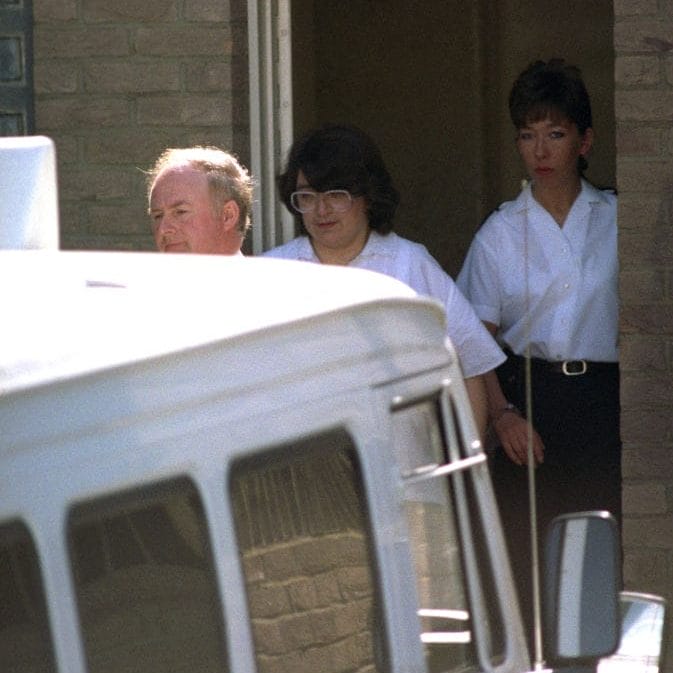
Before the case could go to trial, Fred West died in prison on January 1, 1995. His death meant he would never face a jury. Rosemary West, however, would.
Her trial in 1995 became one of the most closely watched criminal proceedings in British legal history. Rosemary maintained throughout that she was innocent — that she had been a victim of her husband’s manipulation and had no knowledge of or involvement in his crimes. Her defense team pointed to the significant age gap between them when they met, arguing that a 15-year-old girl was in no position to resist the influence of an older, manipulative man.
The prosecution took a different view entirely. They argued that it was implausible for someone living in the same home over such an extended period to have been unaware of what was taking place. Multiple witnesses testified against her, including her stepdaughter Anna Marie, who was the only one of the West children to take the stand.
One of the most significant moments of the trial came through the testimony of Janet Leach, who had served as Fred West’s court-appointed support person during his initial interviews with police. Leach testified that Fred had privately admitted to her that Rosemary had played a significant role in the crimes — and that before their arrest, the couple had agreed that Fred would take sole responsibility if they were ever caught.
After seven weeks of proceedings, the jury returned guilty verdicts on ten counts of murder. Rosemary West was sentenced to life imprisonment with no possibility of parole — a whole-life order, one of very few handed down to women in English legal history.
She has maintained her innocence ever since, filing multiple appeals that have all been rejected by the courts.
The House That No Longer Stands
In October 1996, the property at 25 Cromwell Street was demolished. The site where so much suffering had taken place was cleared entirely, and the land was eventually converted into a walking path. Gloucester City Council made a deliberate decision not to create any kind of memorial at the location — a choice made out of respect for the victims and a desire not to create a site of morbid interest.
Life in Prison
Rosemary West is currently held at HM Prison New Hall in West Yorkshire. Accounts of her daily prison life describe someone who listens to music, plays board games, and teaches needlework to other inmates. She has been transferred between several facilities over the years, including at least one move prompted by intelligence about a credible threat against her.
Now in her early 70s, she remains one of the few women in England and Wales serving a whole-life sentence.
The Children Who Lived With It
Perhaps the most sobering dimension of the West case is the legacy it left for the couple’s surviving children — people who, as young boys and girls, lived through experiences that no child should ever face, and who have spent their adult lives trying to find some way to carry the weight of what happened to them.
Anna Marie West, the oldest surviving child, was the only sibling to testify during the trial. She has spoken publicly about her experiences on a number of occasions over the years. As of 2025, her husband has spoken about the ongoing emotional toll the case continues to take on the family.
“It’s the siblings who live with the misery and pain of what went on in that house,” he told reporters. “Even though some of them live near each other, they don’t speak or see each other because that only opens up old wounds for them.”
He also reflected on the renewed public interest brought by a recent documentary series covering the case: “Every few years the case is back in the media, and the public gets interested again — but it’s the children who live with the pain of what happened on a daily basis.”
A Netflix documentary series titled Fred and Rose West: A British Horror Story, which premiered in May 2024, brought the case to the attention of a new generation of viewers — many of whom encountered the full details of the story for the first time.
A Case That Still Raises Questions
The story of Rosemary West raises difficult and uncomfortable questions that have no easy answers. How does a person become capable of such harm? How much of who we become is shaped by what is done to us before we are old enough to protect ourselves? And how do we, as a society, balance the need to understand with the obligation to remember — above all — those who were harmed?
The victims of Fred and Rosemary West deserve to be remembered not as footnotes in a notorious criminal case, but as individuals with lives, families, and futures that were taken from them. Their stories, and the courage of those who eventually came forward to tell the truth, are what ultimately brought this case into the light.
