

In recent hours, social media posts have circulated describing a distressing situation involving a young girl and two infants allegedly forced out of a home after a disagreement over baby formula. While viral stories often present dramatic and emotional details, it is important to approach such narratives carefully and rely on verified information and established child protection principles.
Regardless of whether a specific account is confirmed, the scenario raises serious and real-world questions: What protections exist for children facing neglect or abuse? What should bystanders do if they witness a child being put in danger? And how do authorities respond in situations involving vulnerable minors?
This article examines child protection laws in the United States, guidance from reputable organizations, and the responsibilities of communities when children may be at risk. All factual information referenced below is based on official sources such as the U.S. Department of Health & Human Services, the Centers for Disease Control and Prevention (CDC), and California state child welfare agencies.
Understanding Child Neglect and Emotional Harm
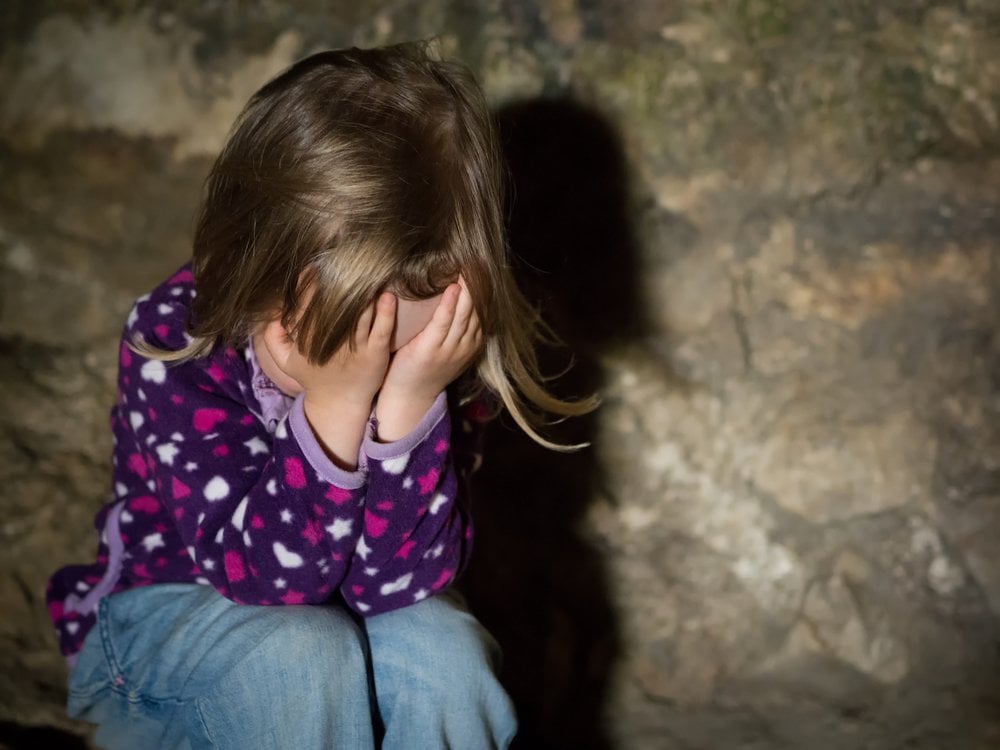
According to the U.S. Department of Health & Human Services (HHS), child neglect includes the failure to provide necessary food, shelter, supervision, medical care, or emotional support. The Centers for Disease Control and Prevention (CDC) defines neglect as one of the most common forms of child maltreatment, alongside physical and emotional abuse.
If a child is denied adequate nutrition, medical attention for illness, or safe shelter, authorities may classify the situation as neglect. In California, where Pasadena is located, child welfare services operate under strict state laws that prioritize the safety and well-being of minors.
Under the California Child Abuse and Neglect Reporting Act (CANRA), certain professionals — including teachers, healthcare providers, and social workers — are legally required to report suspected abuse or neglect. Reports are typically investigated by county child protective services (CPS).
When Infants Have a Fever: Medical Guidance

The scenario described in viral posts includes infants with a high temperature. According to the American Academy of Pediatrics (AAP), infants under 12 months old with a fever should receive careful medical evaluation, especially if they are younger than three months.
Proper nutrition and hydration are critical for infants experiencing illness. The AAP advises caregivers to follow recommended formula preparation guidelines to ensure safety and adequate nourishment. Baby formula instructions are regulated by the U.S. Food and Drug Administration (FDA) to ensure proper dilution and nutritional balance.
Denying medically necessary feeding or treatment could present health risks. In real-life cases, healthcare providers are trained to assess whether neglect is occurring and may notify child protection authorities when warranted.
Legal Protections for Children in California

In California, county-level child welfare agencies operate under the oversight of the California Department of Social Services (CDSS). If a child is believed to be in immediate danger, law enforcement and CPS can intervene to ensure safety.
Intervention steps may include:
-
Emergency welfare checks
-
Temporary protective custody
-
Placement with relatives or licensed foster caregivers
-
Court-supervised family services
California law emphasizes family preservation whenever safe and possible. However, the child’s safety remains the primary concern.
If a minor is forced out of a residence without safe supervision, authorities may consider that abandonment. Law enforcement officers responding to such situations are trained to prioritize the immediate health and safety of children involved.
The Role of Mandatory Reporters and Bystanders
The CDC and HHS encourage individuals who suspect child maltreatment to report concerns to local authorities. In California, residents can contact their county child abuse hotline. Reports can be made confidentially.
Common signs that may warrant reporting include:
-
Visible signs of malnutrition
-
Repeated lack of medical care
-
Unsafe living conditions
-
Verbal threats toward a child
-
Forced removal from a home
It is important to note that making a report does not automatically mean someone will face criminal charges. Child protective services conduct assessments to determine appropriate next steps.
Emotional Impact on Children

Even when physical injury is not present, emotional trauma can have lasting effects. According to the CDC’s Adverse Childhood Experiences (ACE) Study, exposure to household instability or abuse increases long-term health risks.
Children who experience abandonment or intimidation may develop anxiety, depression, or difficulties with trust and attachment. Early intervention, counseling, and stable caregiving environments significantly improve outcomes.
Organizations such as the Child Welfare Information Gateway, part of HHS, provide resources for families and caregivers to prevent and address trauma.
Community Intervention: What Should Happen?
If a passerby or neighbor witnessed a young child and infants left outside without supervision, best practice would include:
-
Ensuring immediate safety
-
Contacting local law enforcement if necessary
-
Reporting concerns to child protective services
-
Avoiding confrontation that could escalate risk
In California, 911 may be called if children appear in immediate danger. For non-emergency concerns, county CPS hotlines operate 24 hours a day.
Community awareness plays a critical role in prevention. According to Prevent Child Abuse America, early reporting and supportive intervention reduce the likelihood of long-term harm.
Evaluating Viral Stories Responsibly
Many emotionally charged online narratives lack verifiable sources, named officials, or official case records. Responsible media consumption requires asking:
-
Has a local police department confirmed the event?
-
Has CPS issued a statement?
-
Is there reporting from reputable news outlets?
-
Are court records available?
Without such confirmation, readers should treat viral accounts cautiously.
In real, documented child welfare cases, local media coverage typically includes:
-
Official law enforcement statements
-
Confirmation from child welfare agencies
-
Court proceedings documentation
The absence of verifiable reporting may indicate that a story has been fictionalized or dramatized.
Safe Infant Feeding Practices
The U.S. Food and Drug Administration (FDA) provides strict guidelines for preparing infant formula. Key recommendations include:
-
Using the exact water-to-formula ratio listed on packaging
-
Ensuring clean bottles and hands
-
Storing prepared formula safely
-
Consulting a pediatrician if an infant has a fever
Altering the ratio without medical advice can affect hydration and nutrition balance. When caregivers have concerns about feeding supplies, social service agencies and nonprofit organizations often provide assistance.
Programs such as WIC (Women, Infants, and Children), administered by the U.S. Department of Agriculture, help low-income families access infant formula and healthcare referrals.
Legal Consequences for Child Abandonment
Under California Penal Code Section 271, abandonment or neglect of a child may carry legal consequences if proven in court. However, each case is evaluated individually, and due process applies.
Authorities focus first on ensuring the child’s immediate safety. Investigations may involve:
-
Home assessments
-
Interviews with family members
-
Medical evaluations
-
Social worker reports
Family courts ultimately determine long-term custody or placement decisions.
The Importance of Verified Reporting
Stories involving children often generate strong emotional reactions. Ethical journalism requires confirmation from credible sources before presenting serious allegations.
Reputable outlets typically verify through:
-
Police departments
-
Child protective services
-
Court filings
-
Medical professionals
Without corroboration, presenting dramatic claims as fact risks spreading misinformation.
Resources for Families in Need
Families experiencing stress, financial hardship, or caregiving challenges can access support services, including:
-
Local family resource centers
-
Public health clinics
-
Food assistance programs
-
Parenting support hotlines
In California, dialing 211 connects residents with community services, including housing assistance and family counseling.
Nationally, the Childhelp National Child Abuse Hotline (1-800-422-4453) provides confidential support and guidance.
Conclusion: Protecting Children Requires Facts and Action
Any report of a child being forced into unsafe circumstances is deeply concerning. However, responsible analysis requires reliance on official confirmation and established legal frameworks.
In the United States, strong child protection laws exist to safeguard minors from neglect and harm. Agencies such as the California Department of Social Services, county child protective services, and law enforcement are tasked with responding when credible concerns arise.
For communities, the most effective response to suspected neglect is timely reporting through appropriate channels. Verified information, not viral speculation, ensures that children receive real protection and that families receive fair and lawful evaluation.
Children’s safety must always come first. Accurate reporting, community awareness, and adherence to established child welfare systems remain the foundation of meaningful protection.
