

As conversations about women’s health become more open and better informed, many women are gaining a clearer understanding of how their bodies naturally change over time. One area that often prompts questions is the vulva and vagina. Whether these changes arise from aging, childbirth, or hormonal transitions, it is entirely normal to notice differences.
Health specialists emphasize that variations are extremely common. Recognizing what is typical — and knowing when to seek medical advice — can help women feel more confident and supported.
Vag vs. Vulva: Understanding the Anatomy
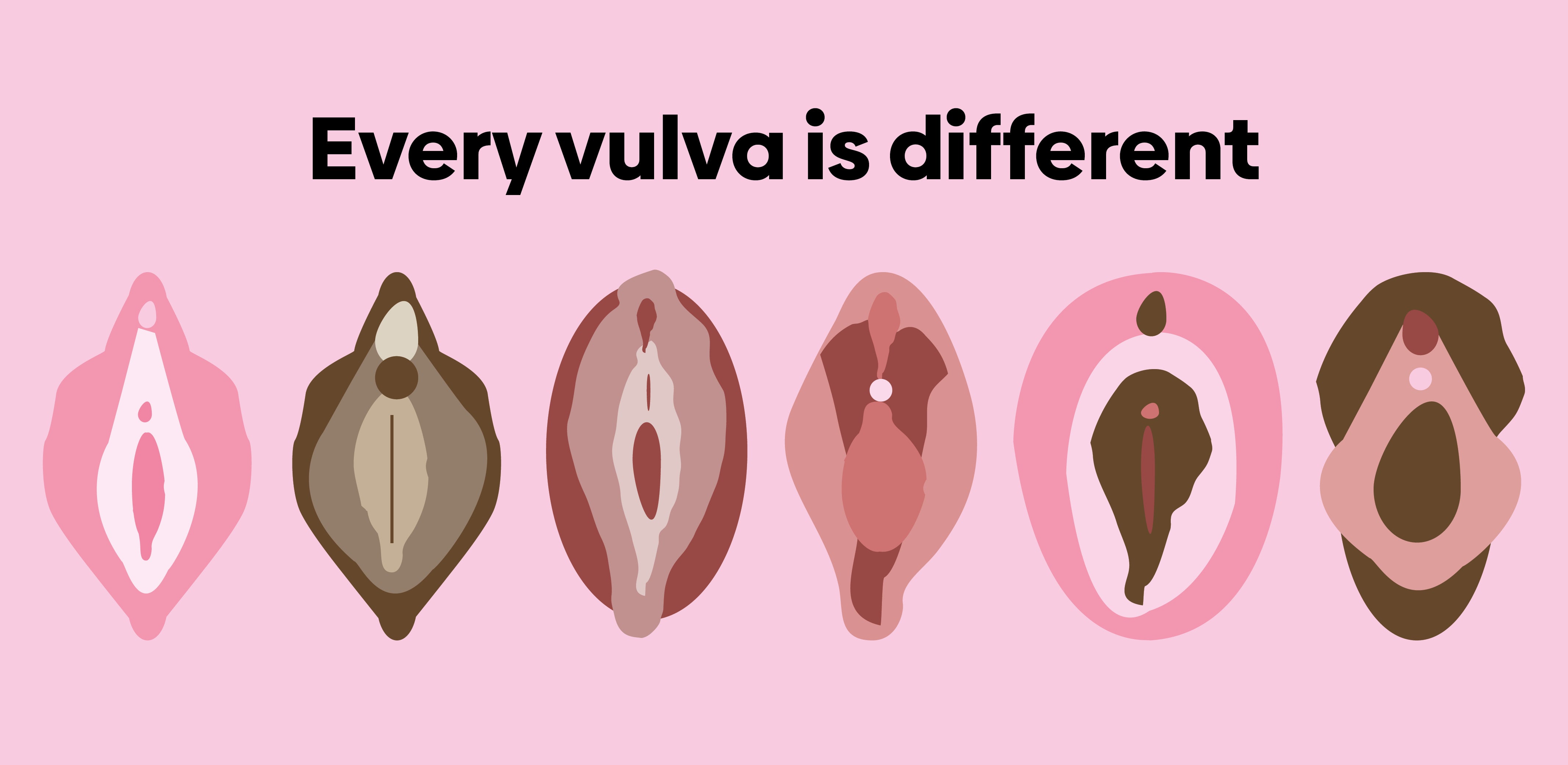
Many people use the word “vagina” to describe the entire area, but the terms refer to different parts:
-
The vulva includes the external structures.
-
The vag is the internal muscular canal.
Dr. Yasmin Tan, a gynaecologist at the Women’s Health and Research Institute of Australia (WHRIA), notes that clear terminology helps women better understand how the different parts respond to age, hormones, and life changes.
Natural Variation Is Completely Normal
Just as every face and body is unique, so is vulvar anatomy. Differences in shape, size, skin tone, and symmetry are all part of normal human diversity.
“There is a broad spectrum of appearances,” Dr. Tan explains. “Most of them fall well within the range of what is considered healthy.”
Recognizing this natural variation can reduce unnecessary worry, especially because realistic images of women’s anatomy are not often represented in mainstream media.
Common Changes With Age
As estrogen levels shift over time, certain natural changes may occur in both the vulva and vagina. These changes are typically gradual, and many are part of the normal aging process.
1. Thinning of Skin and Tissue
Hormonal changes can lead to reduced thickness and elasticity. This may cause the area to feel different or appear less firm than before.
2. Changes in Skin Tone
The vulvar area may slowly lighten or darken with age — both are normal variations.
3. Reduced Elasticity
Just like the skin on other parts of the body, the vulva may lose some elasticity over time. This is a natural part of aging.
4. Changes in Sensitivity and Structure
Some internal and external structures may become slightly smaller or softer with age. These changes are harmless and simply reflect shifting hormone levels.
5. Hair Changes
Pubic hair may become thinner, finer, or grey with time — a normal aging pattern similar to scalp hair.
Childbirth and Its Long-Term Effects
From puberty to menopause, the vulva and vagina remain relatively consistent except during major hormonal events such as childbirth and breastfeeding.
Childbirth
Vaginal birth can stretch or affect surrounding tissues. Many women recover well over time, but some may experience long-term changes in:
-
pelvic floor strength
-
support structures
-
tissue tone
Pelvic Organ Support
If the tissues supporting the pelvic organs weaken, conditions such as pelvic organ prolapse may develop. Symptoms can include a feeling of heaviness or changes in bladder or bowel function. Physiotherapy or medical treatment can help.
Breastfeeding
Breastfeeding temporarily lowers estrogen levels, which may influence moisture and elasticity. These changes typically resolve after breastfeeding ends.
Menopause: When Most Changes Occur

Menopause is the most significant transition affecting the vulva and vagina. The natural decline in estrogen can cause:
-
reduced lubrication
-
dryness
-
increased sensitivity
-
tissue thinning
-
changes in elasticity
These symptoms are grouped under genitourinary syndrome of menopause (GSM) — a medical term used to describe several related changes that occur during this stage of life.
Intimacy and Comfort
Some women notice that personal intimacy may feel different during menopause due to reduced moisture or increased sensitivity. Many treatments can help improve comfort and maintain natural flexibility.
Why Regular Stretching of the Area Helps
Dr. Tan notes that gentle, regular stretching of the vaginal tissues — whether through intimate relations or guided dilator therapy — can help maintain elasticity. There is no exact recommended frequency, but consistency is more important than intensity.
Options for Women Not Currently in a Partnership
Women who are not in an intimate relationship can maintain comfort in the area through:
-
over-the-counter moisturizers
-
vaginal dilators (under professional guidance)
-
pelvic floor physiotherapy
These approaches help prevent excessive tightening or discomfort over time.
When Symptoms Become More Noticeable
Many women — around half — do not experience significant issues during menopause and manage mild symptoms with simple moisturizers or lubricants.
However, others may develop more noticeable symptoms, sometimes referred to as vulvovaginal atrophy. These symptoms may include:
-
dryness
-
discomfort
-
increased sensitivity
-
changes during everyday activities
-
irritation
These symptoms are medical conditions and should not be ignored.
Safe and Effective Treatment Options
Women have multiple treatment options, depending on symptom severity.
1. Over-the-Counter Products
-
Moisturizers designed for daily comfort
-
Lubricants for intimate relations
These products provide support for many women and are often the first step.
2. Prescription Treatments
If additional support is needed, doctors may prescribe:
-
low-dose vaginal estrogen therapy
-
non-hormonal treatments
-
targeted therapies for GSM
These treatments act locally and are effective for many women.
3. Pelvic Floor Physiotherapy
Pelvic physiotherapists can help with:
-
tissue tension
-
discomfort
-
recovery after childbirth
-
maintaining comfort during intimacy
4. Vaginal Laser Therapy
Some clinics offer laser therapy for improving elasticity and moisture. Women should discuss its suitability with a qualified specialist.
Why Women Should Not Suffer in Silence

Despite the availability of treatment, many women hesitate to discuss changes in the vulva or vagina due to embarrassment or the belief that symptoms are “just part of aging.”
Dr. Tan emphasizes the importance of speaking with a healthcare provider:
“These changes affect comfort, relationships, and confidence. They deserve proper attention.”
Healthcare professionals can provide reassurance, diagnosis, and personalized treatment options.
When to See a Doctor
Women should consult a GP or gynaecologist if they notice:
-
persistent dryness
-
irritation that does not improve
-
discomfort during intimacy
-
urinary leakage
-
sudden or unusual changes
Early assessment can provide clarity and prevent symptoms from worsening.
Final Thoughts
Changes in the vulva and vagina are a natural part of life. Aging, childbirth, hormonal shifts, and personal health all influence how the area feels and appears. Understanding these changes empowers women to care for their health with confidence and compassion.
Whether managing symptoms at home or seeking medical guidance, women should know that support is available, and that their comfort and well-being are important at every age.
